
Middle American Screech-Owl vs Burrowing Owl
Megascops guatemalae versus Athene cunicularia
Play a quiz with Middle American Screech-Owl and Burrowing Owl
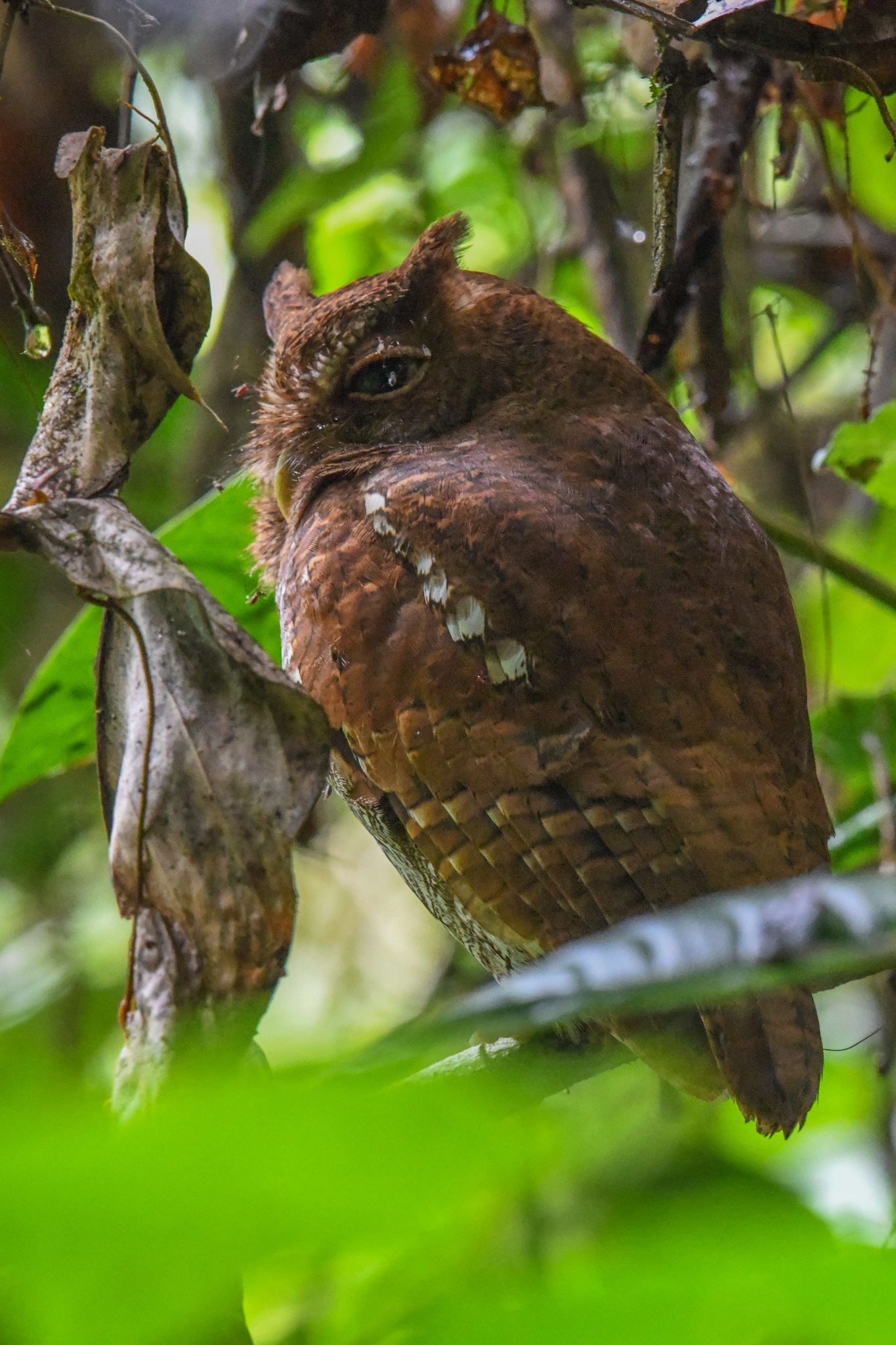 Middle American Screech-Owl
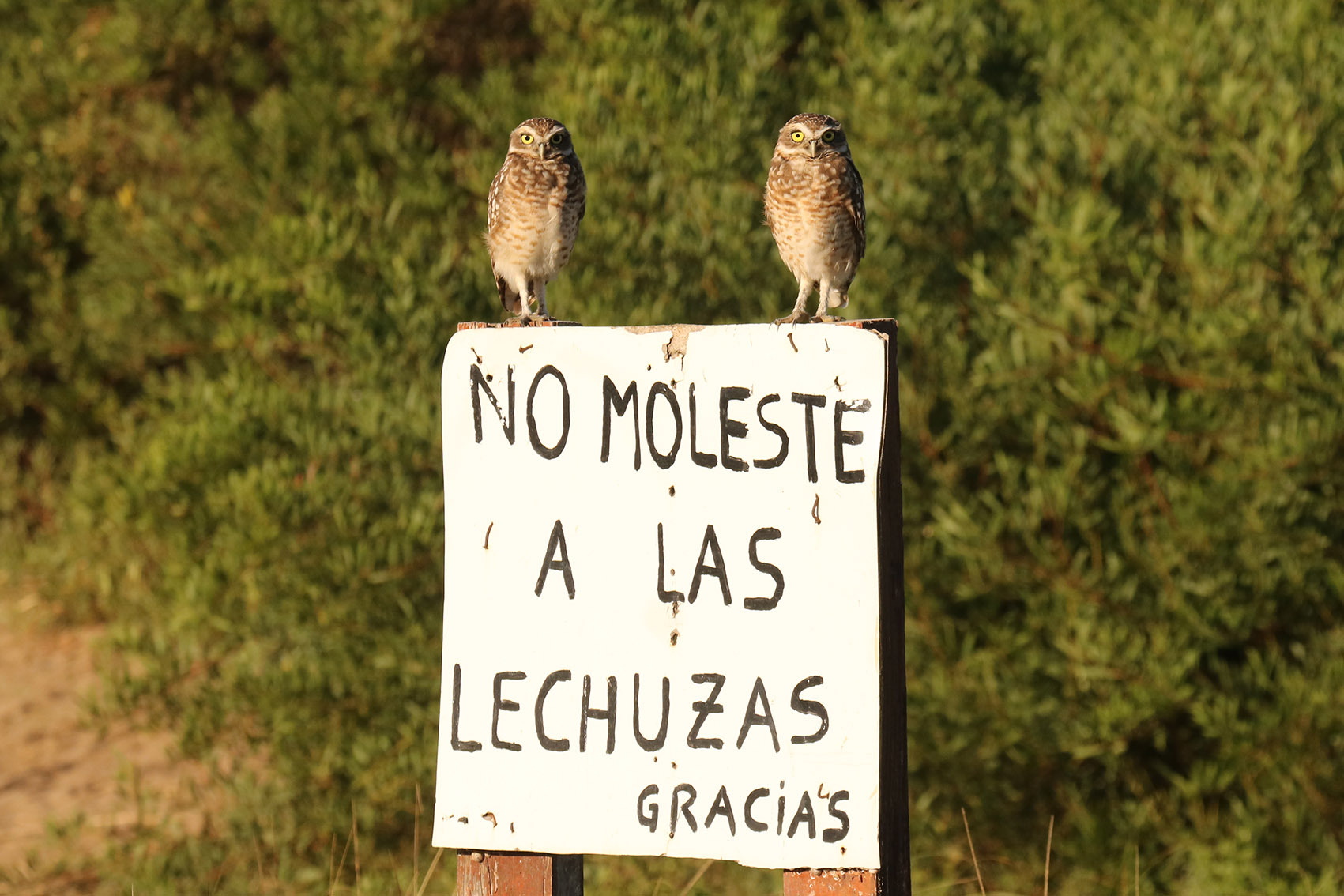 Burrowing Owl
In short
The Middle American Screech-Owl and the Burrowing Owl are both small owls, but they differ significantly in habitat preference and appearance. The Screech-Owl is typically found in forested areas, while the Burrowing Owl prefers open grasslands and deserts. Key visual differences include the Screech-Owl's cryptic plumage and ear tufts, compared to the Burrowing Owl's long legs and lack of ear tufts.
Identification tips
1. Habitat: Check the surroundings; forested areas suggest Screech-Owl, open fields suggest Burrowing Owl. 2. Ear tufts: Presence indicates Screech-Owl. 3. Leg length: Long legs are characteristic of Burrowing Owl. 4. Activity time: Daytime activity suggests Burrowing Owl. 5. Vocalizations: Listen for trills (Screech-Owl) vs. chattering (Burrowing Owl).
Size
Both species are small owls, but the Burrowing Owl appears taller due to its long legs.
Plumage
The Middle American Screech-Owl has cryptic, mottled plumage with ear tufts, often in brown or rufous morphs. The Burrowing Owl lacks ear tufts and has a more uniform brown plumage with white spots and a distinctive white 'eyebrow' above the eyes.
Behaviour
The Screech-Owl is more nocturnal and elusive, often roosting in dense foliage. In contrast, the Burrowing Owl is more diurnal and can be seen standing on the ground or on low perches during the day.
Habitat
Middle American Screech-Owls inhabit forested areas, including montane and lowland forests. Burrowing Owls prefer open habitats like grasslands, deserts, and agricultural fields.
Voice
The Middle American Screech-Owl produces a series of trills and hoots, while the Burrowing Owl's calls include a variety of chattering and cooing sounds. Their vocalizations are distinct and can aid in identification.
Middle American Screech-Owl · Burrowing Owl · My Tricky Birds