Birdr

Mottled Duck vs Canvasback

Anas fulvigula versus Aythya valisineria

Play a quiz with Mottled Duck and Canvasback
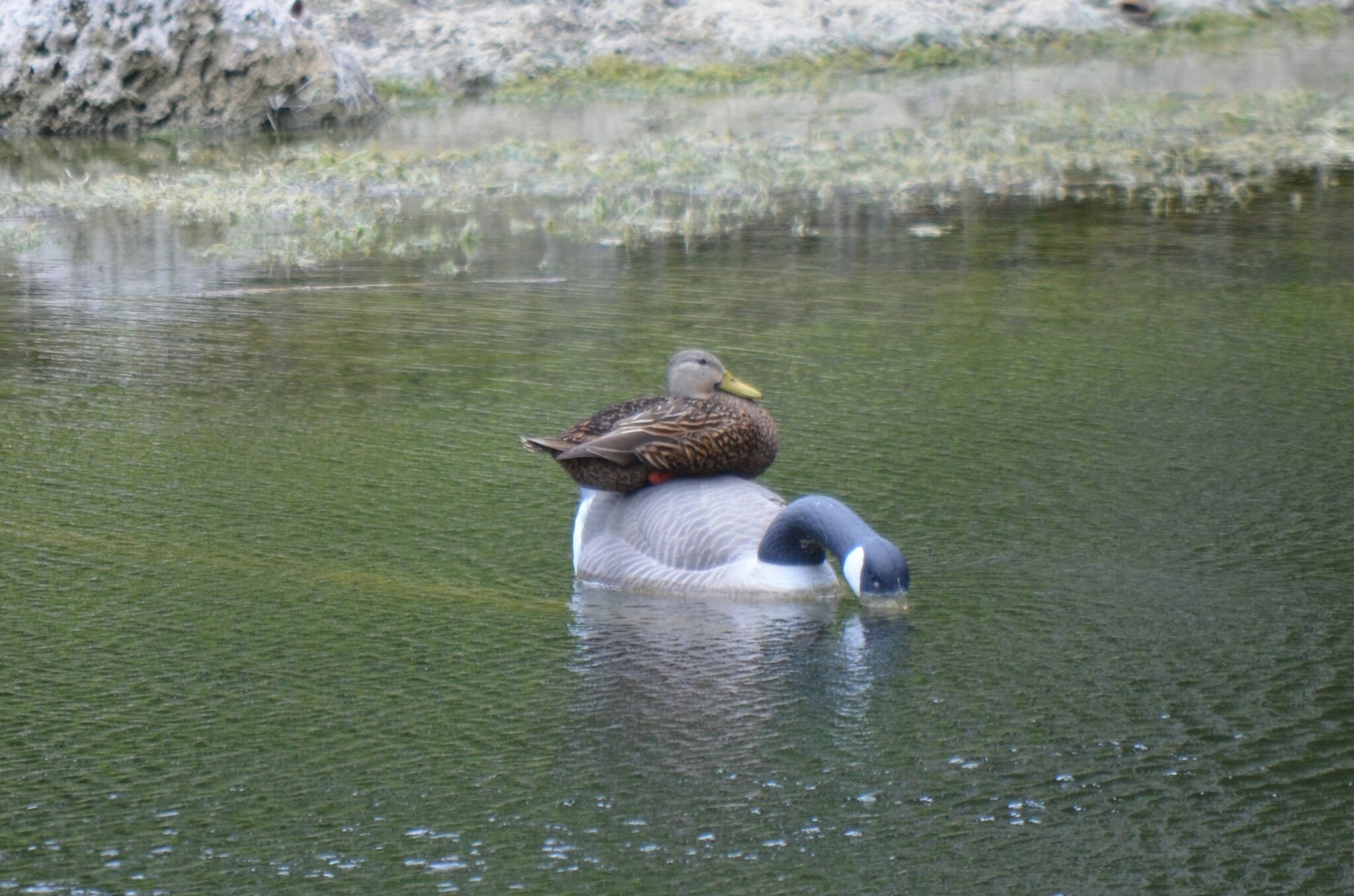
Mottled Duck (Anas fulvigula) Mottled Duck
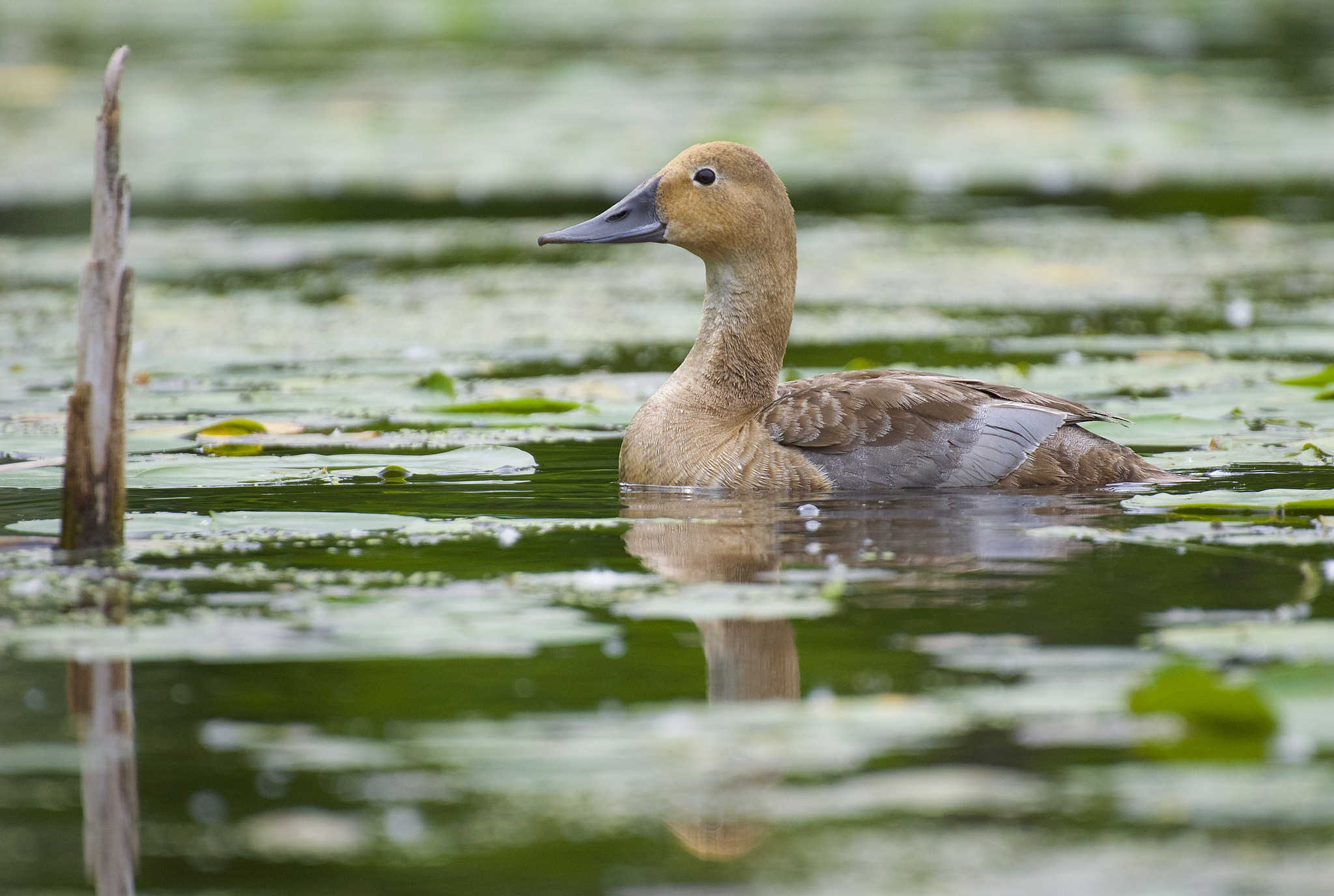
Canvasback (Aythya valisineria) Canvasback

Media

Loading…

In short

The Mottled Duck and Canvasback are both waterfowl but differ significantly in appearance and behavior. The Mottled Duck has a more uniform brown body with a distinctively lighter face, while the Canvasback is known for its striking red head and sloping profile. These differences are usually sufficient for identification in the field.

Identification tips

  1. Look for the red head and sloping profile of the Canvasback, especially in males. 2. Note the uniform brown plumage and paler face of the Mottled Duck. 3. Observe feeding behavior: diving indicates Canvasback, while dabbling suggests Mottled Duck. 4. Consider habitat: deeper waters for Canvasback, shallow marshes for Mottled Duck.

Size

Canvasbacks are generally larger and bulkier than Mottled Ducks.

Plumage

Mottled Ducks have a uniformly mottled brown body with a paler face and dark eye line. Canvasbacks feature a distinctive red head, black chest, and white body, with a long, sloping black bill.

Behaviour

Canvasbacks are diving ducks, often seen diving for food, while Mottled Ducks are dabblers, feeding mainly on the water's surface.

Habitat

Mottled Ducks are typically found in freshwater marshes and coastal wetlands, whereas Canvasbacks prefer deeper lakes and bays, often in larger flocks.

Voice

Mottled Ducks have a typical duck quack, while Canvasbacks are generally quieter, with males producing a soft croak during courtship.

Submit a better description

Use the same sections as the comparison. Your text is published immediately.

The Mottled Duck and Canvasback are both waterfowl but differ significantly in appearance and behavior. The Mottled Duck has a more uniform brown body with a distinctively lighter face, while the Canvasback is known for its striking red head and sloping profile. These differences are usually sufficient for identification in the field.

  1. Look for the red head and sloping profile of the Canvasback, especially in males. 2. Note the uniform brown plumage and paler face of the Mottled Duck. 3. Observe feeding behavior: diving indicates Canvasback, while dabbling suggests Mottled Duck. 4. Consider habitat: deeper waters for Canvasback, shallow marshes for Mottled Duck.

Canvasbacks are generally larger and bulkier than Mottled Ducks.

Mottled Ducks have a uniformly mottled brown body with a paler face and dark eye line. Canvasbacks feature a distinctive red head, black chest, and white body, with a long, sloping black bill.

Canvasbacks are diving ducks, often seen diving for food, while Mottled Ducks are dabblers, feeding mainly on the water's surface.

Mottled Ducks are typically found in freshwater marshes and coastal wetlands, whereas Canvasbacks prefer deeper lakes and bays, often in larger flocks.

Mottled Ducks have a typical duck quack, while Canvasbacks are generally quieter, with males producing a soft croak during courtship.

Discard your changes?

You have unsaved edits. If you leave now, those changes will be lost.

Mottled Duck · Canvasback · My Tricky Birds