
Mountain Plover vs Upland Sandpiper
Anarhynchus montanus versus Bartramia longicauda
Play a quiz with Mountain Plover and Upland Sandpiper
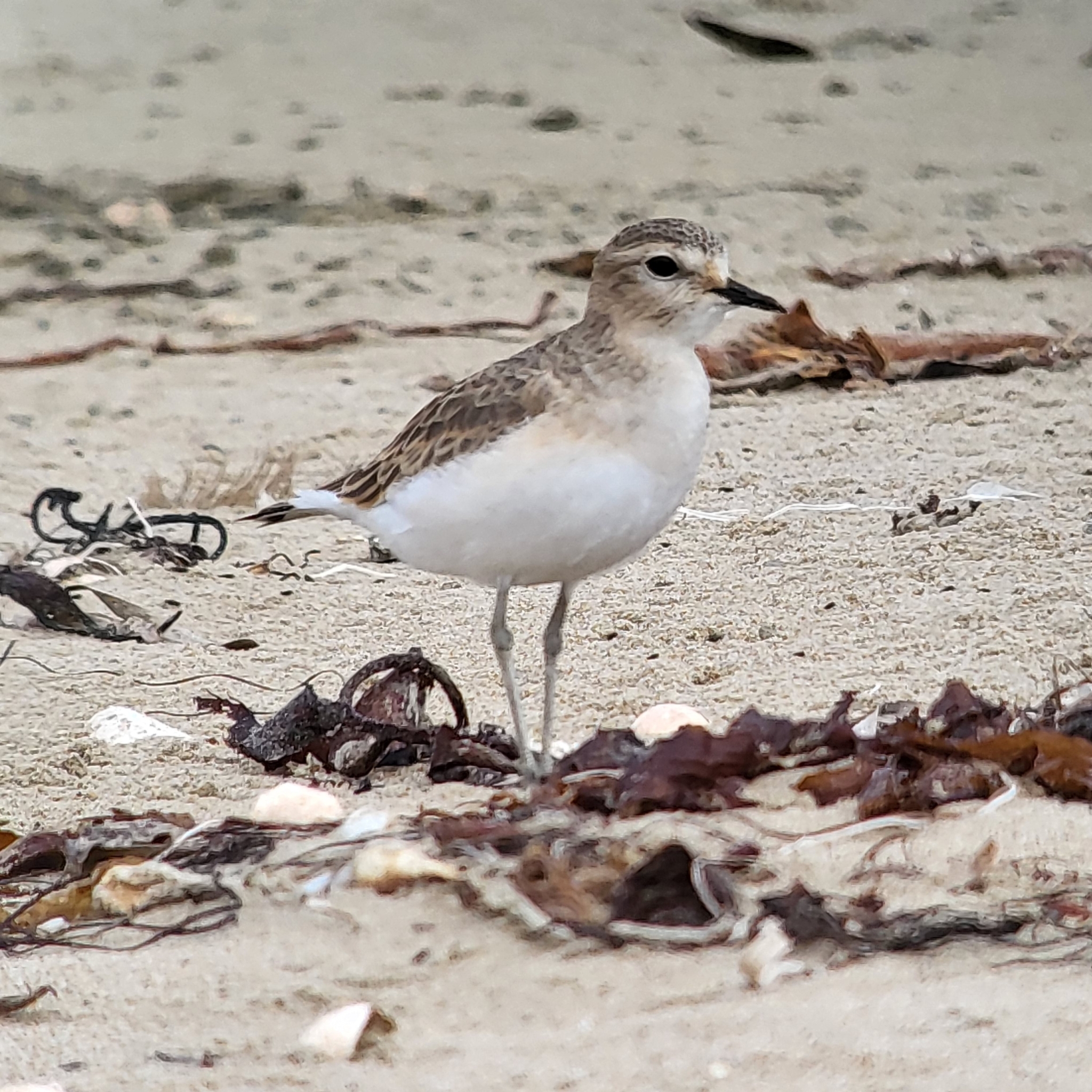 Mountain Plover
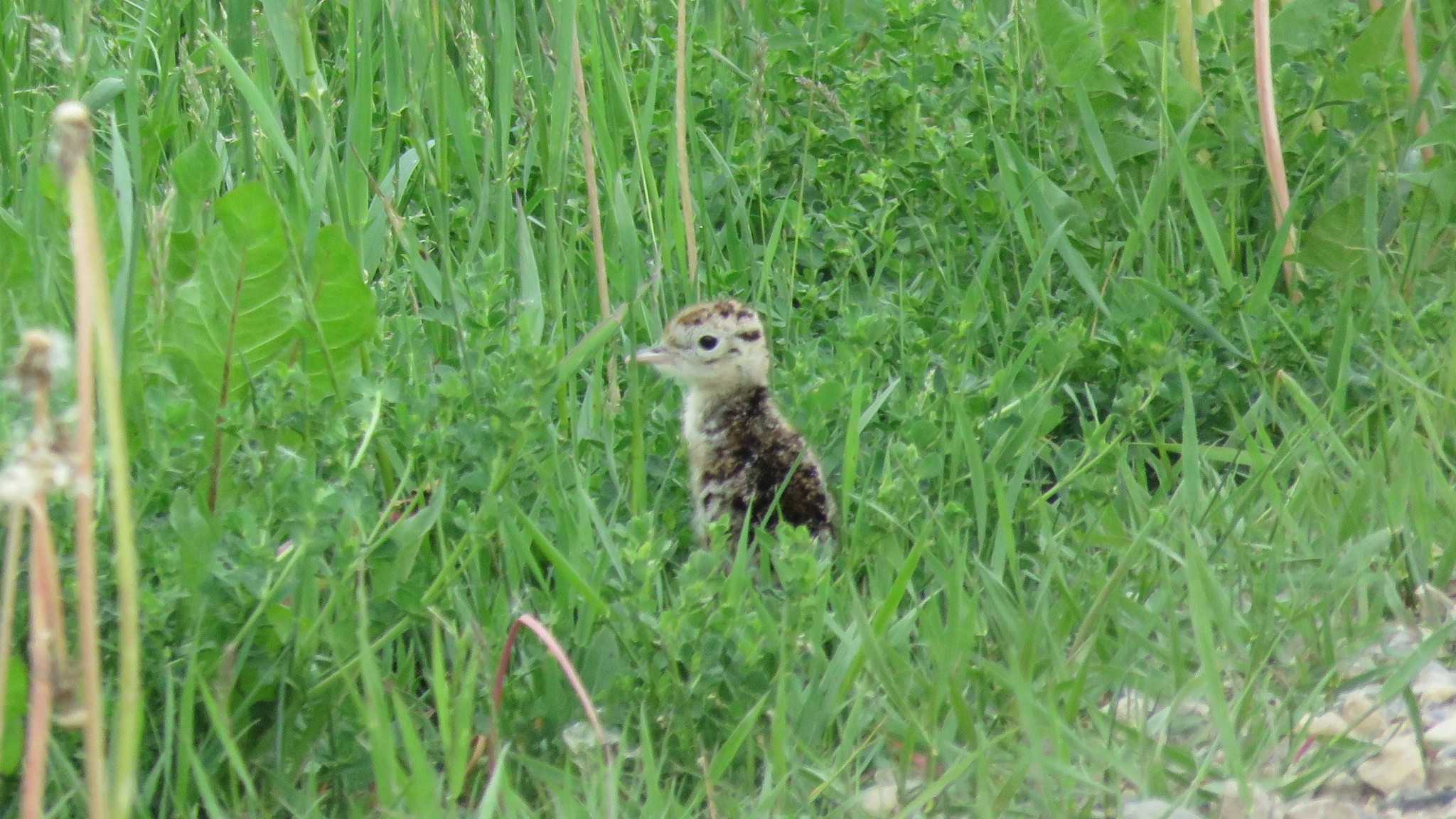 Upland Sandpiper
In short
The Mountain Plover and Upland Sandpiper can be distinguished by their size, structure, and habitat preferences. The Mountain Plover is smaller and more compact, while the Upland Sandpiper is larger with a longer neck and tail. Both species prefer open grasslands but differ in specific habitat types.
Identification tips
- Size and Structure: Look for the smaller, more compact Mountain Plover versus the larger, longer-necked Upland Sandpiper.
- Plumage: Note the drab, pale brown plumage of the Mountain Plover compared to the streaked and spotted Upland Sandpiper.
- Behavior: Observe the Mountain Plover's tendency to squat motionless versus the Upland Sandpiper's habit of perching and singing.
- Habitat: Consider the dry, sparse habitats of Mountain Plovers compared to the more varied, often wetter habitats of Upland Sandpipers.
- Vocalization: Listen for the Upland Sandpiper's distinctive flight song.
Size
The Mountain Plover is smaller and more compact compared to the larger, more elongated Upland Sandpiper.
Plumage
Mountain Plovers are drably marked with a pale brown coloration that helps them blend into their arid environments, while Upland Sandpipers have a more patterned plumage with streaks and spots, especially on the chest and back.
Behaviour
Mountain Plovers often squat motionless when disturbed, earning them the nickname 'Prairie Ghost,' whereas Upland Sandpipers are more likely to be seen perched on fence posts or displaying with a distinctive flight song.
Habitat
Mountain Plovers inhabit dry tablelands with sparse vegetation, often in areas disturbed by native herbivores or agriculture. Upland Sandpipers prefer open grasslands, including airfields and peatlands, and are more adaptable to wetter environments.
Voice
Upland Sandpipers are known for their distinctive, melodious flight song, which is not a feature of the Mountain Plover.