Birdr

Muscovy Duck vs Willet

Cairina moschata versus Tringa semipalmata

Play a quiz with Muscovy Duck and Willet
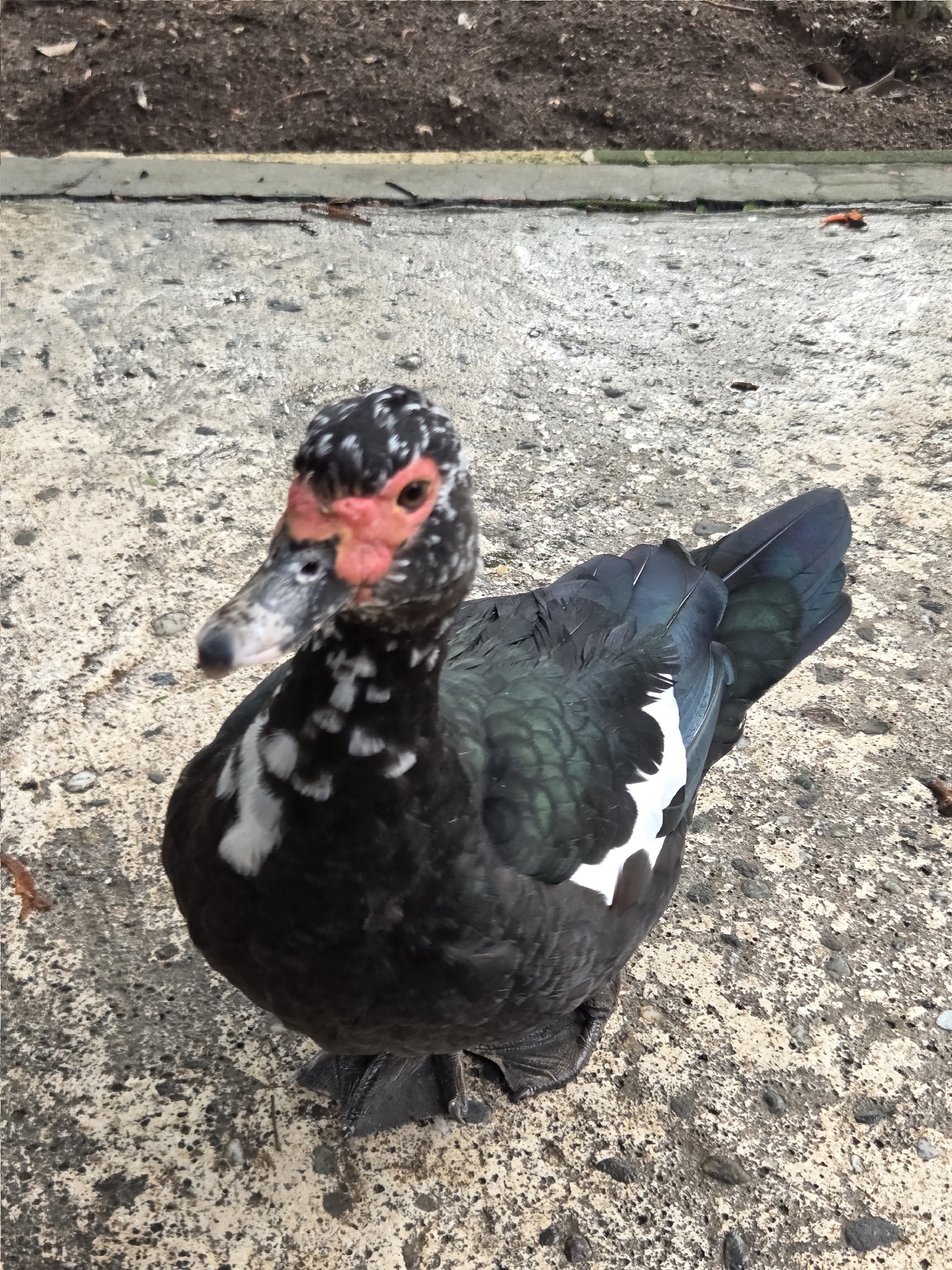
Muscovy Duck (Cairina moschata) Muscovy Duck
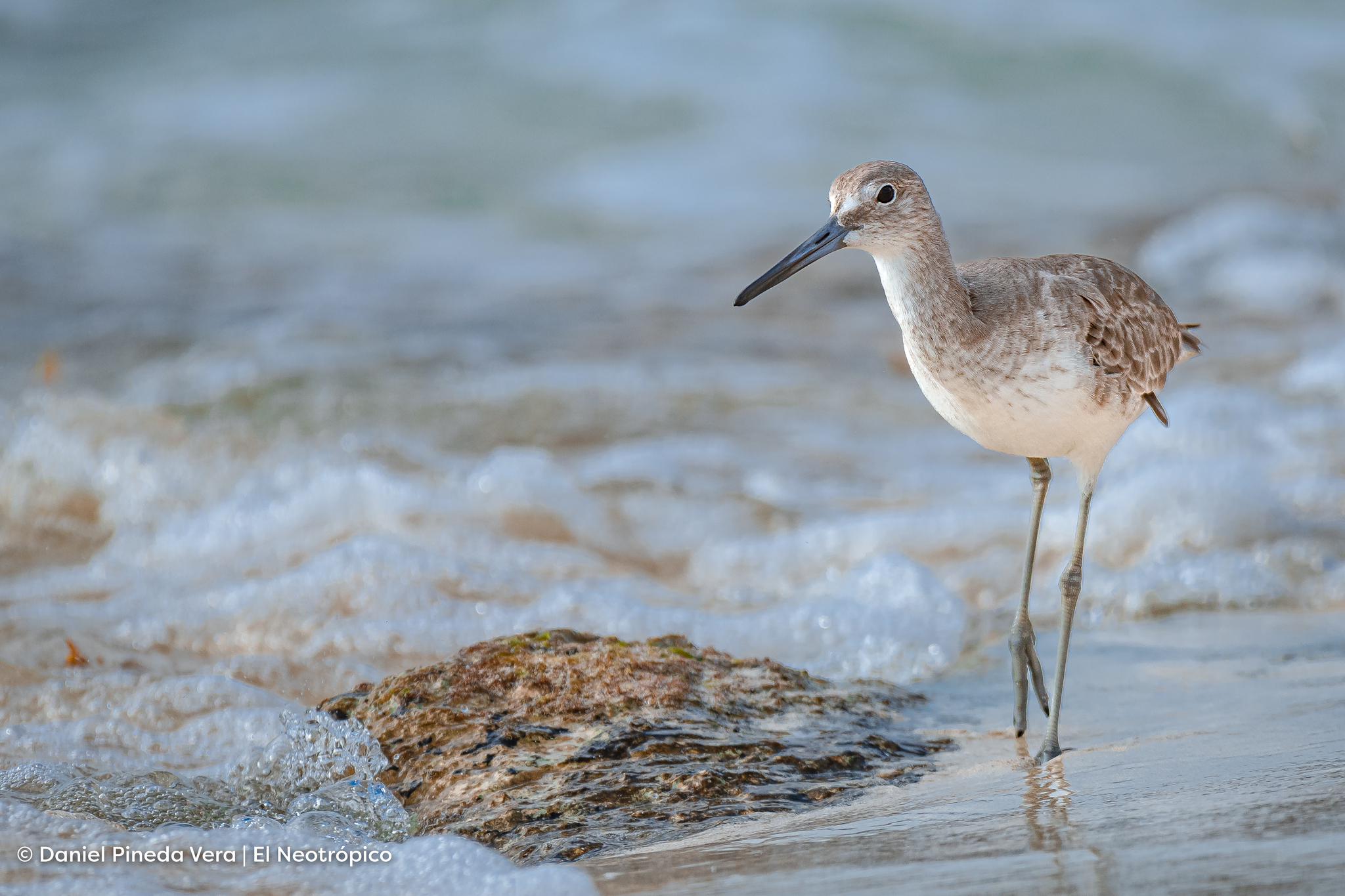
Willet (Tringa semipalmata) Willet

Media

Loading…

In short

Muscovy Ducks and Willets are easily distinguished by their size, habitat, and behavior. Muscovy Ducks are large, partially arboreal waterfowl, while Willets are medium-sized shorebirds often found in coastal areas. Their vocalizations and plumage also differ significantly.

Identification tips

1. Size and Shape: Muscovy Ducks are much larger and bulkier than Willets. 2. Habitat: Look for Muscovy Ducks in wooded wetlands and Willets in coastal areas. 3. Plumage: Note the iridescent plumage of Muscovy Ducks versus the plain gray-brown of Willets with a white wing stripe in flight. 4. Behavior: Muscovy Ducks may be seen perching in trees, unlike Willets. 5. Vocalization: Listen for the Willet's distinctive call in coastal areas.

Size

Muscovy Ducks are significantly larger than Willets, with a more robust body and a longer wingspan.

Plumage

Muscovy Ducks have a distinctive black and white plumage with iridescent green and purple hues, while Willets are more uniformly gray-brown with a striking white wing stripe visible in flight.

Behaviour

Muscovy Ducks are often seen roosting in trees and are partially arboreal, whereas Willets are ground-dwelling birds that forage along shorelines and mudflats.

Habitat

Muscovy Ducks are found in wetlands and wooded areas, often near water bodies, while Willets prefer coastal habitats such as tidal mudflats and sandy beaches.

Voice

Willets have a distinctive call described as 'pill-will-willet,' which is shrill and repetitive. Muscovy Ducks are generally quieter, with less distinctive vocalizations.

Submit a better description

Use the same sections as the comparison. Your text is published immediately.

Muscovy Ducks and Willets are easily distinguished by their size, habitat, and behavior. Muscovy Ducks are large, partially arboreal waterfowl, while Willets are medium-sized shorebirds often found in coastal areas. Their vocalizations and plumage also differ significantly.

1. Size and Shape: Muscovy Ducks are much larger and bulkier than Willets. 2. Habitat: Look for Muscovy Ducks in wooded wetlands and Willets in coastal areas. 3. Plumage: Note the iridescent plumage of Muscovy Ducks versus the plain gray-brown of Willets with a white wing stripe in flight. 4. Behavior: Muscovy Ducks may be seen perching in trees, unlike Willets. 5. Vocalization: Listen for the Willet's distinctive call in coastal areas.

Muscovy Ducks are significantly larger than Willets, with a more robust body and a longer wingspan.

Muscovy Ducks have a distinctive black and white plumage with iridescent green and purple hues, while Willets are more uniformly gray-brown with a striking white wing stripe visible in flight.

Muscovy Ducks are often seen roosting in trees and are partially arboreal, whereas Willets are ground-dwelling birds that forage along shorelines and mudflats.

Muscovy Ducks are found in wetlands and wooded areas, often near water bodies, while Willets prefer coastal habitats such as tidal mudflats and sandy beaches.

Willets have a distinctive call described as 'pill-will-willet,' which is shrill and repetitive. Muscovy Ducks are generally quieter, with less distinctive vocalizations.

Discard your changes?

You have unsaved edits. If you leave now, those changes will be lost.

Muscovy Duck · Willet · My Tricky Birds