
Narina Trogon vs Common Hoopoe
Apaloderma narina versus Upupa epops
Play a quiz with Narina Trogon and Common Hoopoe
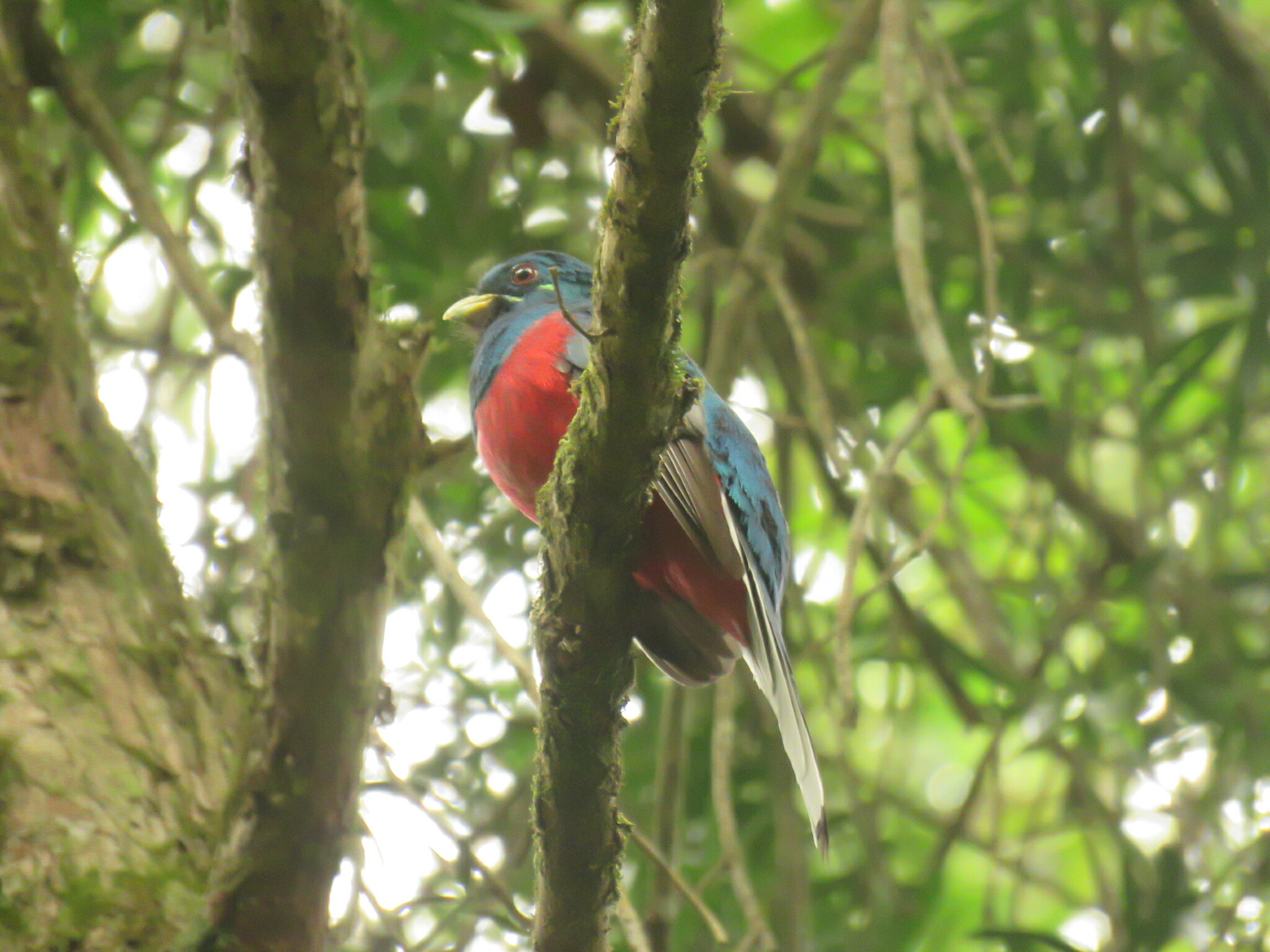 Narina Trogon
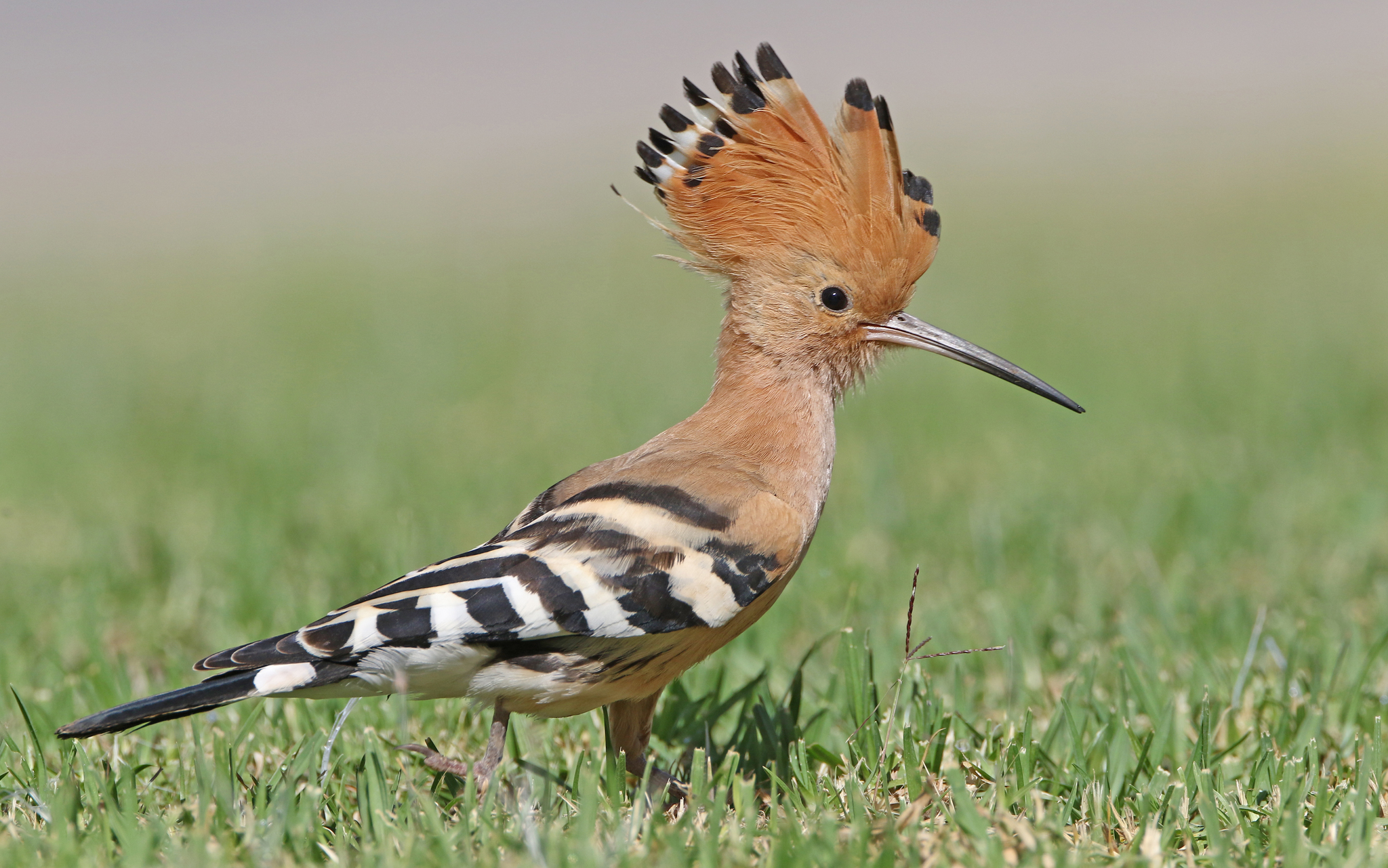 Common Hoopoe
In short
The Narina Trogon and Common Hoopoe are easily distinguished by their structure and coloration. The Narina Trogon has a stocky body with a short neck and a broad, rounded tail, while the Common Hoopoe is more slender with a long, curved bill and a distinctive crest. Both species occupy different habitats, with the trogon favoring forests and woodlands and the hoopoe preferring open areas.
Identification tips
- Bill Shape: Look for the long, curved bill of the Common Hoopoe versus the shorter, greener bill of the Narina Trogon. 2. Crest: The Common Hoopoe has a prominent crest, which the Narina Trogon lacks. 3. Tail and Wing Pattern: The Narina Trogon has more white on the outer tail and a purplish uppertail, while the Common Hoopoe has black-and-white striped wings. 4. Habitat: Consider the habitat; trogons are more likely in forested areas, hoopoes in open fields.
Size
The Narina Trogon is generally more robust and slightly larger than the Common Hoopoe, which is more slender and elongated.
Plumage
The Narina Trogon has a striking combination of green, red, and white plumage with purplish uppertail and bright blue or bronzy blue-green bare skin patches on the face. In contrast, the Common Hoopoe is characterized by its orange-brown body, black-and-white striped wings, and a prominent crest that can be raised.
Behaviour
Narina Trogons are typically more sedentary, often perching quietly in trees, while Common Hoopoes are more active, often seen probing the ground with their long bills.
Habitat
Narina Trogons are found in a variety of forested habitats, including montane rainforest and woodland, whereas Common Hoopoes prefer open areas such as grasslands, savannas, and cultivated fields.
Voice
The Narina Trogon has a soft, repetitive call, while the Common Hoopoe is known for its distinctive 'hoo-hoo-hoo' call.