
Naumann's Thrush vs Dark-sided Flycatcher
Turdus naumanni versus Muscicapa sibirica
Play a quiz with Naumann's Thrush and Dark-sided Flycatcher
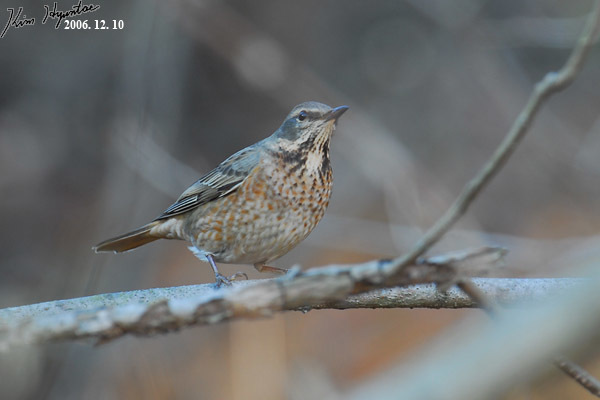 Naumann's Thrush
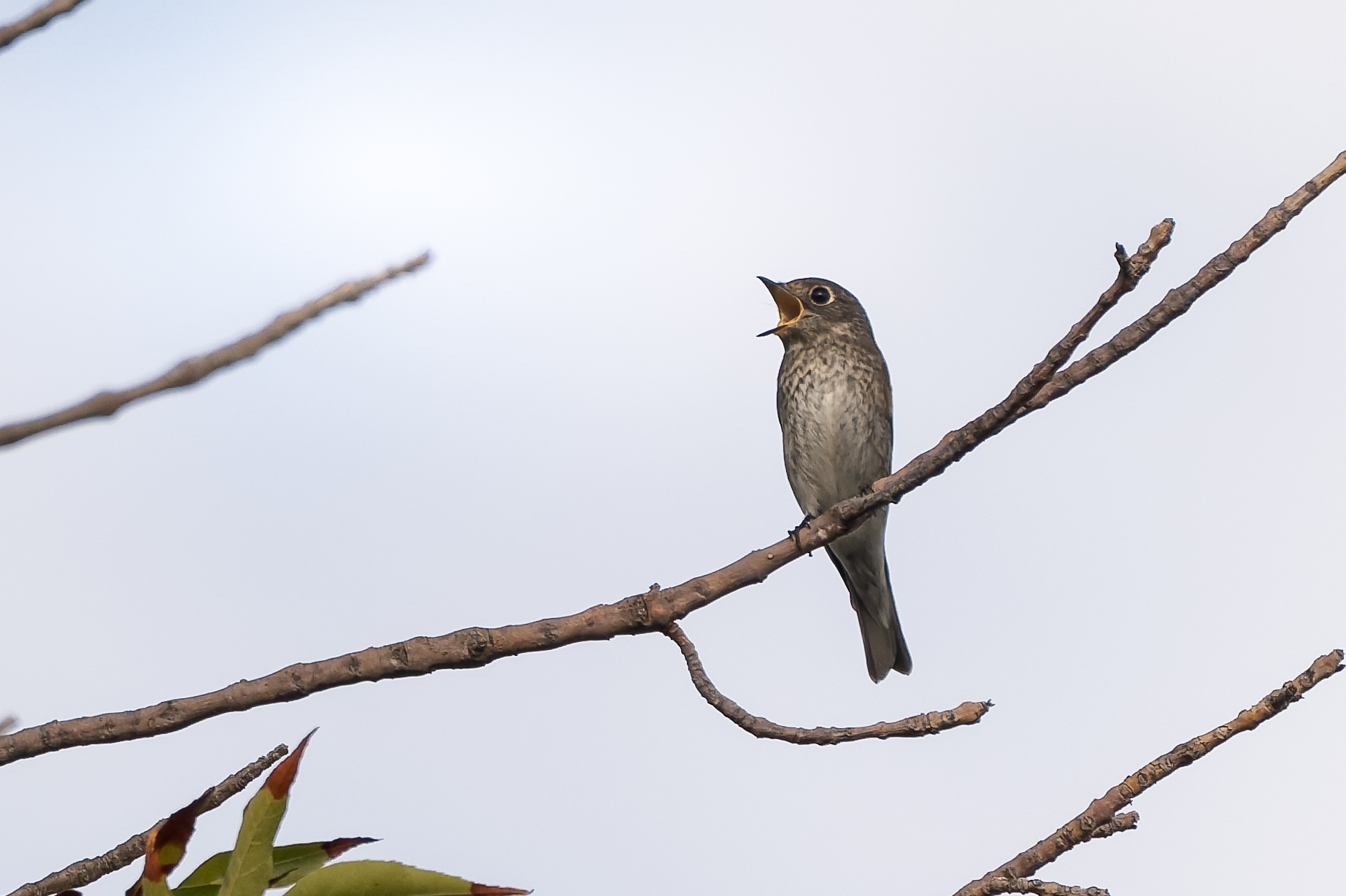 Dark-sided Flycatcher
In short
Naumann's Thrush and Dark-sided Flycatcher can be distinguished by their size and structure: the thrush is larger with a robust build, while the flycatcher is smaller and more delicate. Observing their behavior and habitat preferences can also aid in identification.
Identification tips
- Size and Structure: Look for the larger, more robust build of Naumann's Thrush compared to the smaller, delicate Dark-sided Flycatcher. 2. Plumage: Note the reddish flanks and spotted breast of the thrush versus the more uniform gray-brown of the flycatcher. 3. Behavior: Observe foraging habits; thrushes are often on the ground, while flycatchers sally for insects. 4. Habitat: Consider the environment; thrushes in open areas, flycatchers in forests. 5. Vocalizations: Listen for the more varied song of the thrush compared to the simpler calls of the flycatcher.
Size
Naumann's Thrush is larger and more robust, typical of thrushes, whereas the Dark-sided Flycatcher is smaller and more delicate, fitting the typical flycatcher profile.
Plumage
Naumann's Thrush has a more varied plumage with reddish tones on the flanks and a spotted breast. The Dark-sided Flycatcher is more uniformly gray-brown with subtle streaking on the breast and a less conspicuous appearance.
Behaviour
Naumann's Thrush often forages on the ground or in low vegetation, while the Dark-sided Flycatcher is more likely to be seen sallying from perches to catch insects.
Habitat
Naumann's Thrush prefers open woodlands and scrubby areas, especially during migration. The Dark-sided Flycatcher is typically found in forested areas, often at higher elevations during breeding.
Voice
Naumann's Thrush has a varied song and calls, while the Dark-sided Flycatcher's vocalizations are more limited and less musical, often consisting of simple whistles or short calls.