Birdr

Nonggang Babbler vs Chinese Babax

Stachyris nonggangensis versus Pterorhinus lanceolatus

Play a quiz with Nonggang Babbler and Chinese Babax
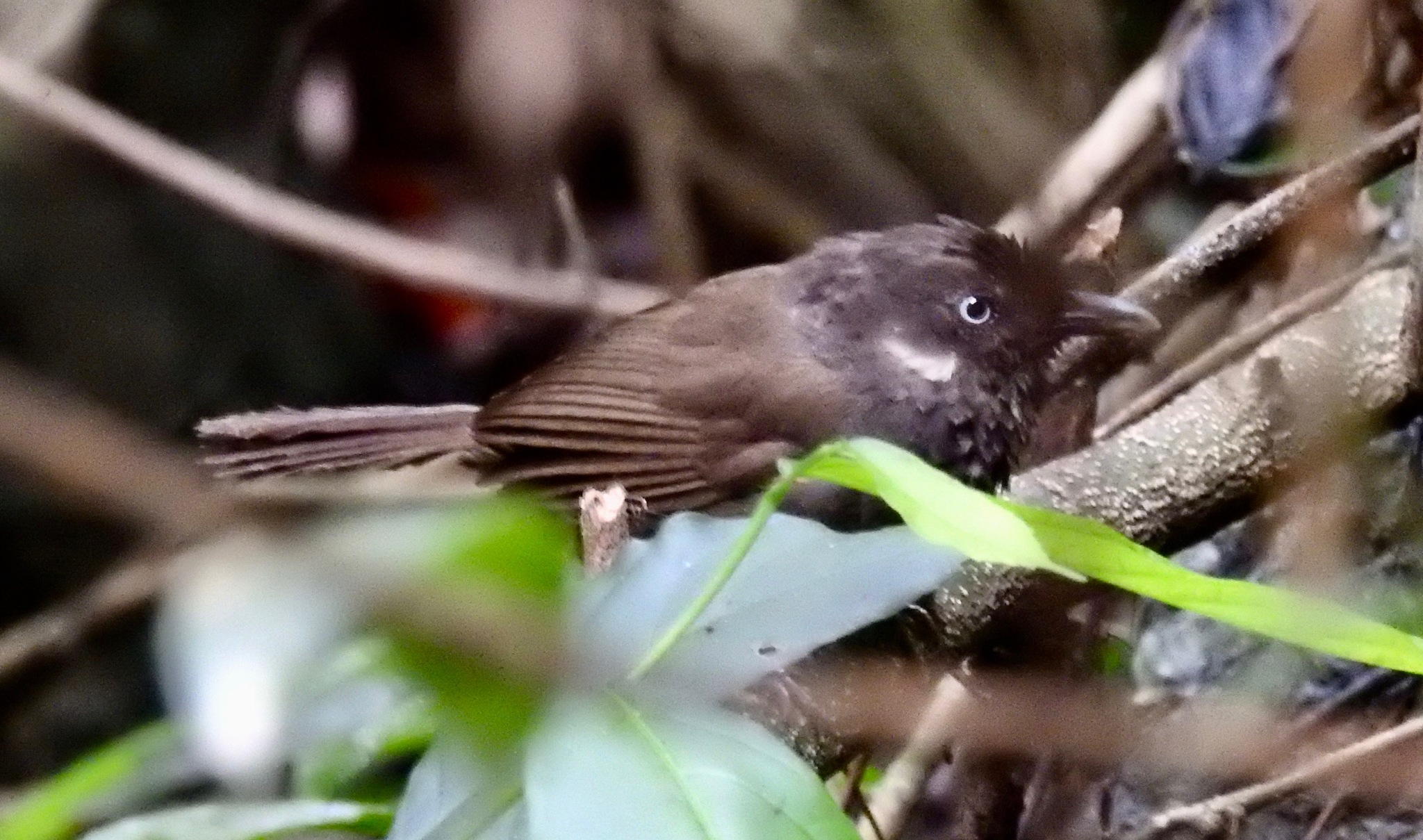
Nonggang Babbler (Stachyris nonggangensis) Nonggang Babbler
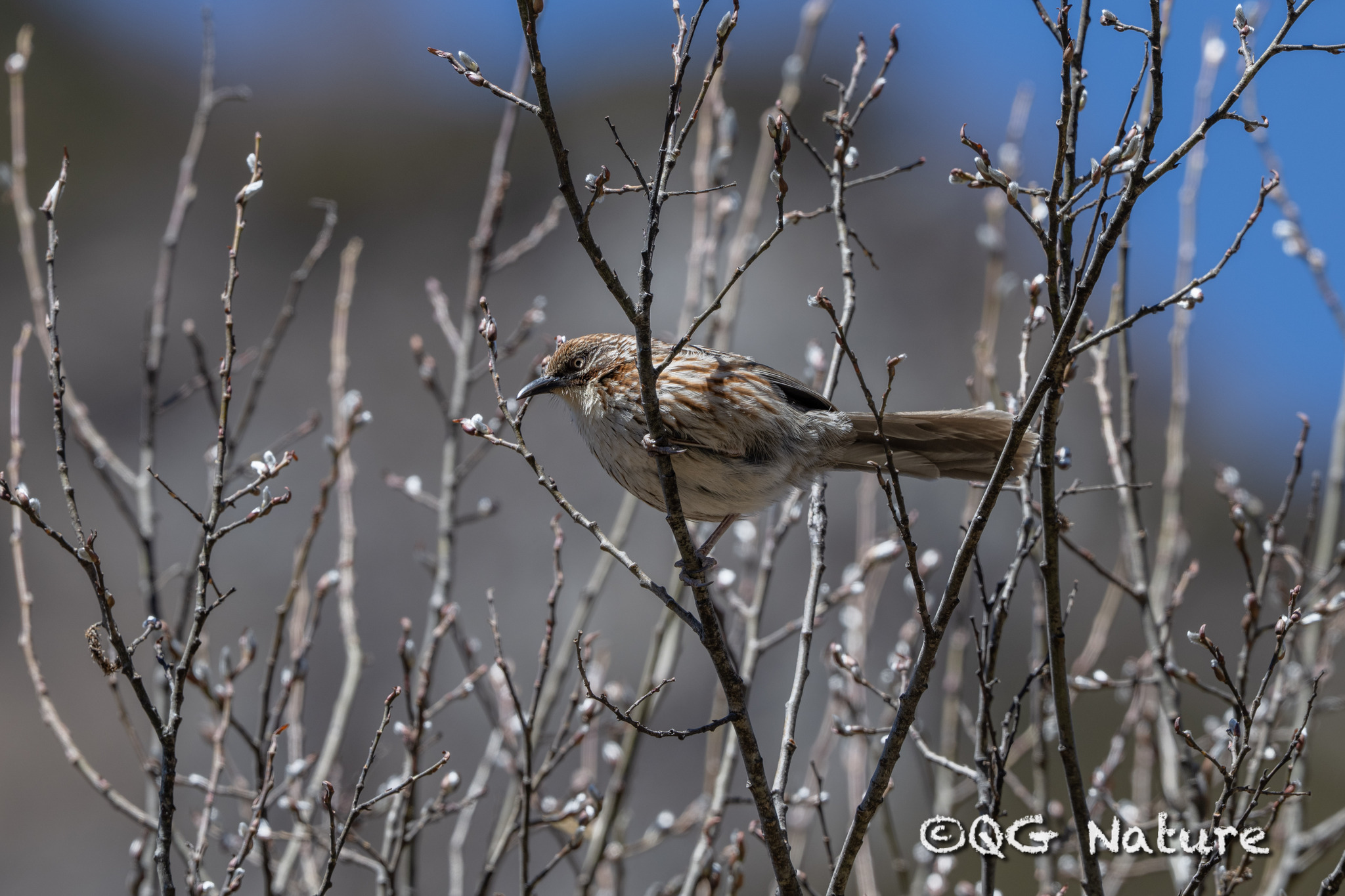
Chinese Babax (Pterorhinus lanceolatus) Chinese Babax

Media

Loading…

In short

The Nonggang Babbler and Chinese Babax can be distinguished by their structural features and habitat preferences. The Nonggang Babbler is smaller and more compact, while the Chinese Babax is larger with a longer tail. Habitat is also a key differentiator, with the Nonggang Babbler favoring limestone karst forests and the Chinese Babax found in more open, shrubby areas.

Identification tips

1. Size and Structure: Note the smaller size and compact build of the Nonggang Babbler versus the larger, longer-tailed Chinese Babax. 2. Habitat: Observe the surrounding habitat; Nonggang Babblers are in limestone karst forests, while Chinese Babax are in open, shrubby areas. 3. Vocalizations: Listen for the more varied and louder calls of the Chinese Babax. 4. Behavior: Watch for the secretive nature of the Nonggang Babbler in dense undergrowth compared to the more open-area foraging of the Chinese Babax.

Size

The Nonggang Babbler is smaller and more compact compared to the larger and longer-tailed Chinese Babax.

Plumage

Both species have similar brownish plumage, but the Nonggang Babbler may appear more uniform in color, while the Chinese Babax often shows more contrast with a paler throat and belly.

Behaviour

The Nonggang Babbler tends to be more secretive and often forages in dense undergrowth, whereas the Chinese Babax is more likely to be seen in open areas and may forage in small groups.

Habitat

Nonggang Babblers are typically found in limestone karst forests, while Chinese Babax prefer open, shrubby areas and forest edges.

Voice

Vocalizations differ, with the Nonggang Babbler having a more subdued and less varied song compared to the Chinese Babax, which has a louder and more varied repertoire.

Submit a better description

Use the same sections as the comparison. Your text is published immediately.

The Nonggang Babbler and Chinese Babax can be distinguished by their structural features and habitat preferences. The Nonggang Babbler is smaller and more compact, while the Chinese Babax is larger with a longer tail. Habitat is also a key differentiator, with the Nonggang Babbler favoring limestone karst forests and the Chinese Babax found in more open, shrubby areas.

1. Size and Structure: Note the smaller size and compact build of the Nonggang Babbler versus the larger, longer-tailed Chinese Babax. 2. Habitat: Observe the surrounding habitat; Nonggang Babblers are in limestone karst forests, while Chinese Babax are in open, shrubby areas. 3. Vocalizations: Listen for the more varied and louder calls of the Chinese Babax. 4. Behavior: Watch for the secretive nature of the Nonggang Babbler in dense undergrowth compared to the more open-area foraging of the Chinese Babax.

The Nonggang Babbler is smaller and more compact compared to the larger and longer-tailed Chinese Babax.

Both species have similar brownish plumage, but the Nonggang Babbler may appear more uniform in color, while the Chinese Babax often shows more contrast with a paler throat and belly.

The Nonggang Babbler tends to be more secretive and often forages in dense undergrowth, whereas the Chinese Babax is more likely to be seen in open areas and may forage in small groups.

Nonggang Babblers are typically found in limestone karst forests, while Chinese Babax prefer open, shrubby areas and forest edges.

Vocalizations differ, with the Nonggang Babbler having a more subdued and less varied song compared to the Chinese Babax, which has a louder and more varied repertoire.

Discard your changes?

You have unsaved edits. If you leave now, those changes will be lost.

Nonggang Babbler · Chinese Babax · My Tricky Birds