Birdr

Northern Lapwing vs European Robin

Vanellus vanellus versus Erithacus rubecula

Play a quiz with Northern Lapwing and European Robin
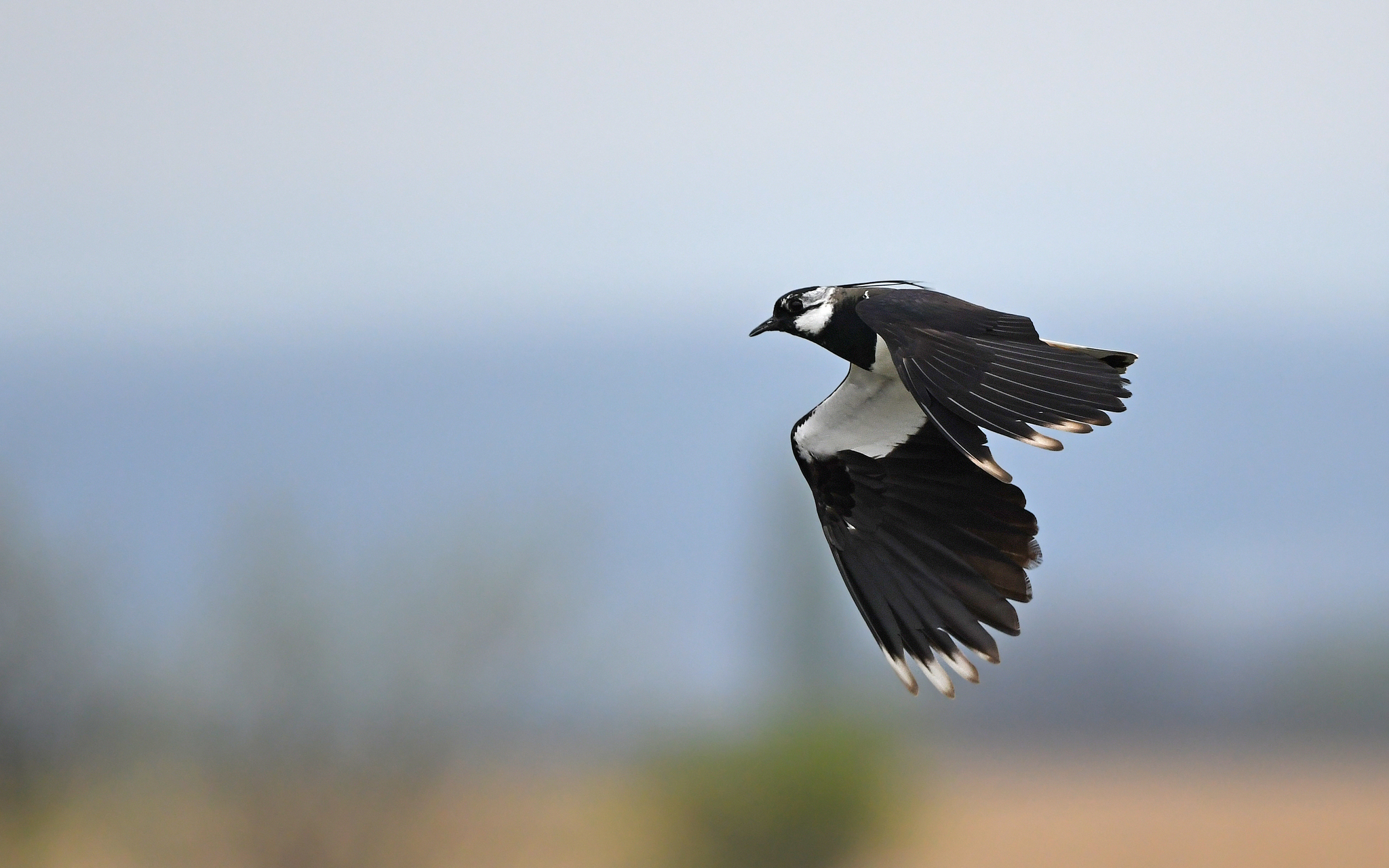
Northern Lapwing (Vanellus vanellus) Northern Lapwing
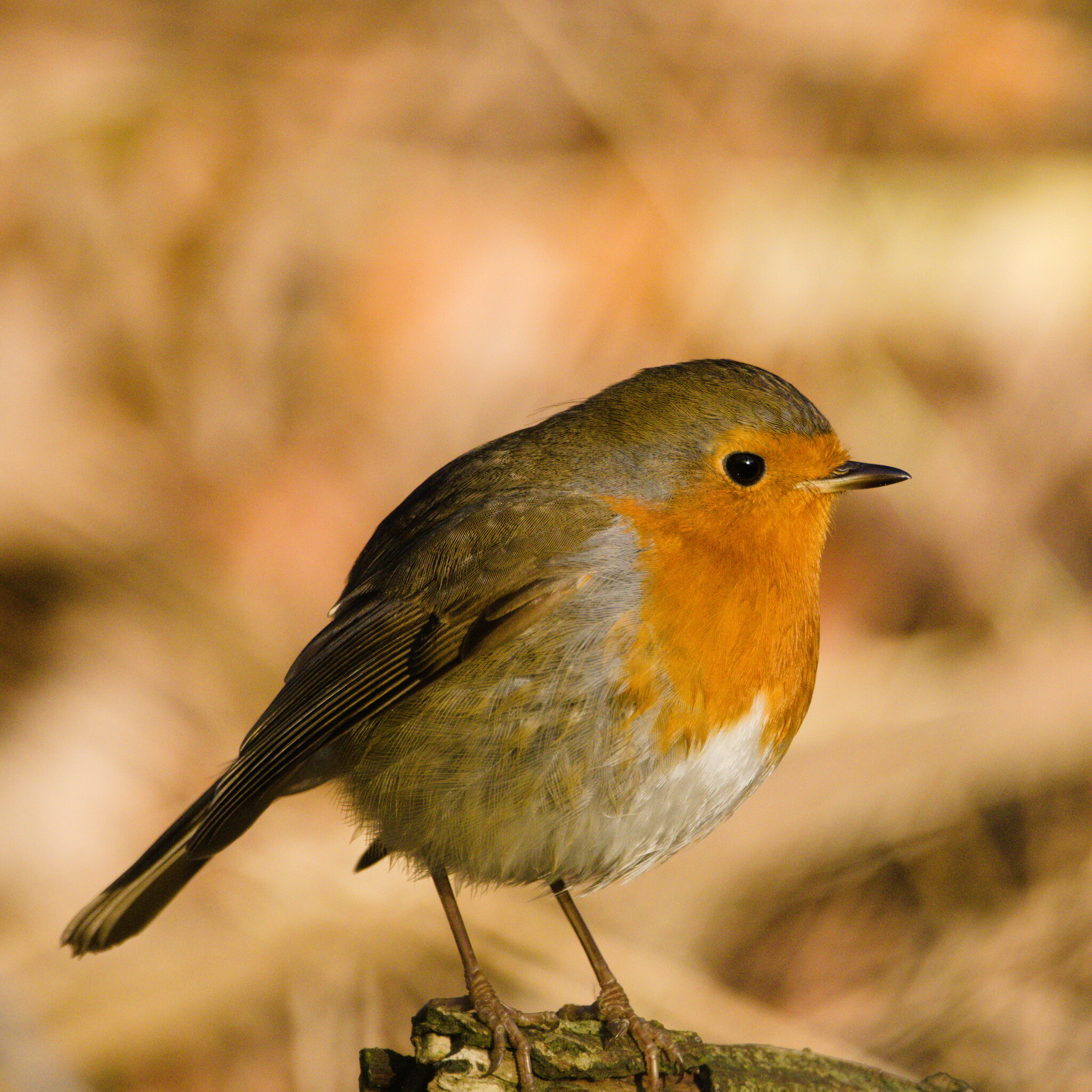
European Robin (Erithacus rubecula) European Robin

Media

Loading…

In short

The Northern Lapwing and European Robin are easily distinguished by their size and plumage. The Lapwing is a larger wader with striking black and white plumage and a distinctive crest, while the Robin is a small passerine with a bright orange-red face and breast.

Identification tips

  1. Size and Shape: Look for the larger size and crest of the Lapwing. 2. Plumage: Note the Lapwing's black and white pattern versus the Robin's orange-red face and breast. 3. Habitat: Consider the environment; Lapwings in open fields, Robins in gardens. 4. Vocalization: Listen for the Lapwing's 'peewit' call and the Robin's melodious song.

Size

The Northern Lapwing is significantly larger than the European Robin, with a wingspan of about 82-87 cm compared to the Robin's 20-22 cm.

Plumage

The Lapwing has iridescent green upperparts, a black chest, and a white belly, with a prominent crest on its head. In contrast, the Robin has a brown back, orange-red face and breast, and a white belly.

Behaviour

Lapwings are often seen in flocks in open fields, displaying aerial acrobatics, while Robins are solitary and territorial, often found in gardens and woodlands.

Habitat

Lapwings prefer wetlands and open farmland, whereas Robins are more versatile, inhabiting forests, gardens, and urban areas.

Voice

The Lapwing's call is a distinctive 'peewit', while the Robin's song is a melodious mix of warbles and notes, often heard throughout the year.

Submit a better description

Use the same sections as the comparison. Your text is published immediately.

The Northern Lapwing and European Robin are easily distinguished by their size and plumage. The Lapwing is a larger wader with striking black and white plumage and a distinctive crest, while the Robin is a small passerine with a bright orange-red face and breast.

  1. Size and Shape: Look for the larger size and crest of the Lapwing. 2. Plumage: Note the Lapwing's black and white pattern versus the Robin's orange-red face and breast. 3. Habitat: Consider the environment; Lapwings in open fields, Robins in gardens. 4. Vocalization: Listen for the Lapwing's 'peewit' call and the Robin's melodious song.

The Northern Lapwing is significantly larger than the European Robin, with a wingspan of about 82-87 cm compared to the Robin's 20-22 cm.

The Lapwing has iridescent green upperparts, a black chest, and a white belly, with a prominent crest on its head. In contrast, the Robin has a brown back, orange-red face and breast, and a white belly.

Lapwings are often seen in flocks in open fields, displaying aerial acrobatics, while Robins are solitary and territorial, often found in gardens and woodlands.

Lapwings prefer wetlands and open farmland, whereas Robins are more versatile, inhabiting forests, gardens, and urban areas.

The Lapwing's call is a distinctive 'peewit', while the Robin's song is a melodious mix of warbles and notes, often heard throughout the year.

Discard your changes?

You have unsaved edits. If you leave now, those changes will be lost.

Northern Lapwing · European Robin · My Tricky Birds