
Northern Saw-whet Owl vs Blackpoll Warbler
Aegolius acadicus versus Setophaga striata
Play a quiz with Northern Saw-whet Owl and Blackpoll Warbler
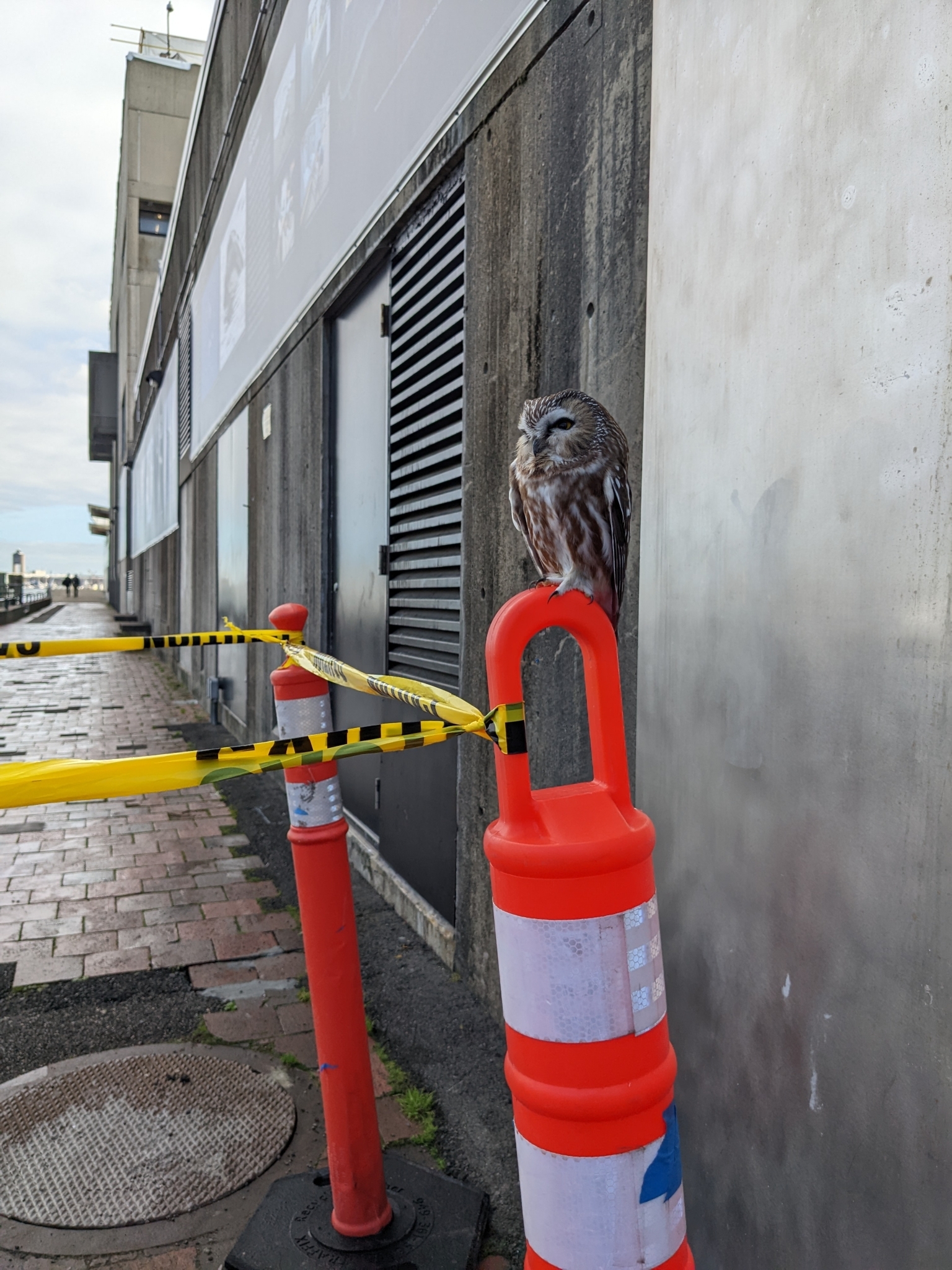 Northern Saw-whet Owl
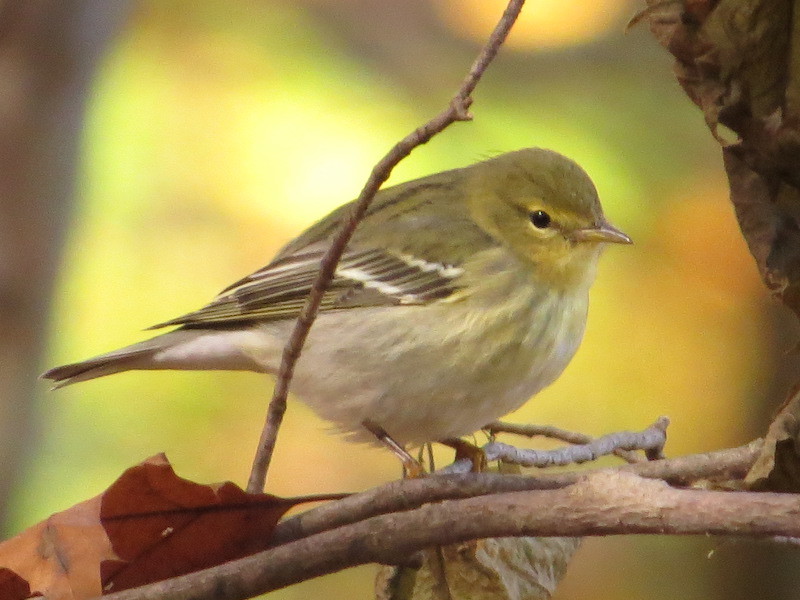 Blackpoll Warbler
In short
The Northern Saw-whet Owl and Blackpoll Warbler are distinct in size and habitat, with the owl being a small nocturnal raptor and the warbler a migratory songbird. They differ greatly in appearance and behavior, making them unlikely to be confused in the field.
Identification tips
1. Size and Shape: Look for the larger, round-headed owl versus the small, slender warbler. 2. Plumage: Note the owl's facial disk and mottled pattern compared to the warbler's black cap and streaked back. 3. Behavior: Observe nocturnal activity for the owl and active, daytime foraging for the warbler. 4. Habitat: Consider the forested habitats for the owl and varied, often coastal, migration routes for the warbler. 5. Vocalizations: Listen for the owl's tooting versus the warbler's high-pitched song.
Size
The Northern Saw-whet Owl is much larger, similar in weight to an American Robin, while the Blackpoll Warbler is a small songbird, much lighter and more delicate.
Plumage
The Northern Saw-whet Owl has a mottled brown and white plumage with a distinctive facial disk, whereas the Blackpoll Warbler has a striking black cap, white cheeks, and streaked back during breeding season.
Behaviour
The Northern Saw-whet Owl is nocturnal, hunting small mammals from low perches. In contrast, the Blackpoll Warbler is diurnal, often seen flitting through trees and shrubs during migration.
Habitat
Northern Saw-whet Owls are found in woodland habitats, particularly coniferous forests, while Blackpoll Warblers breed in northern coniferous forests and migrate through various habitats, including coastal areas.
Voice
The Northern Saw-whet Owl has a repetitive tooting call, while the Blackpoll Warbler's song is a high-pitched series of thin notes. Their vocalizations are distinct and unlikely to be confused.