
Nutting's Flycatcher vs Galapagos Flycatcher
Myiarchus nuttingi versus Myiarchus magnirostris
Play a quiz with Nutting's Flycatcher and Galapagos Flycatcher
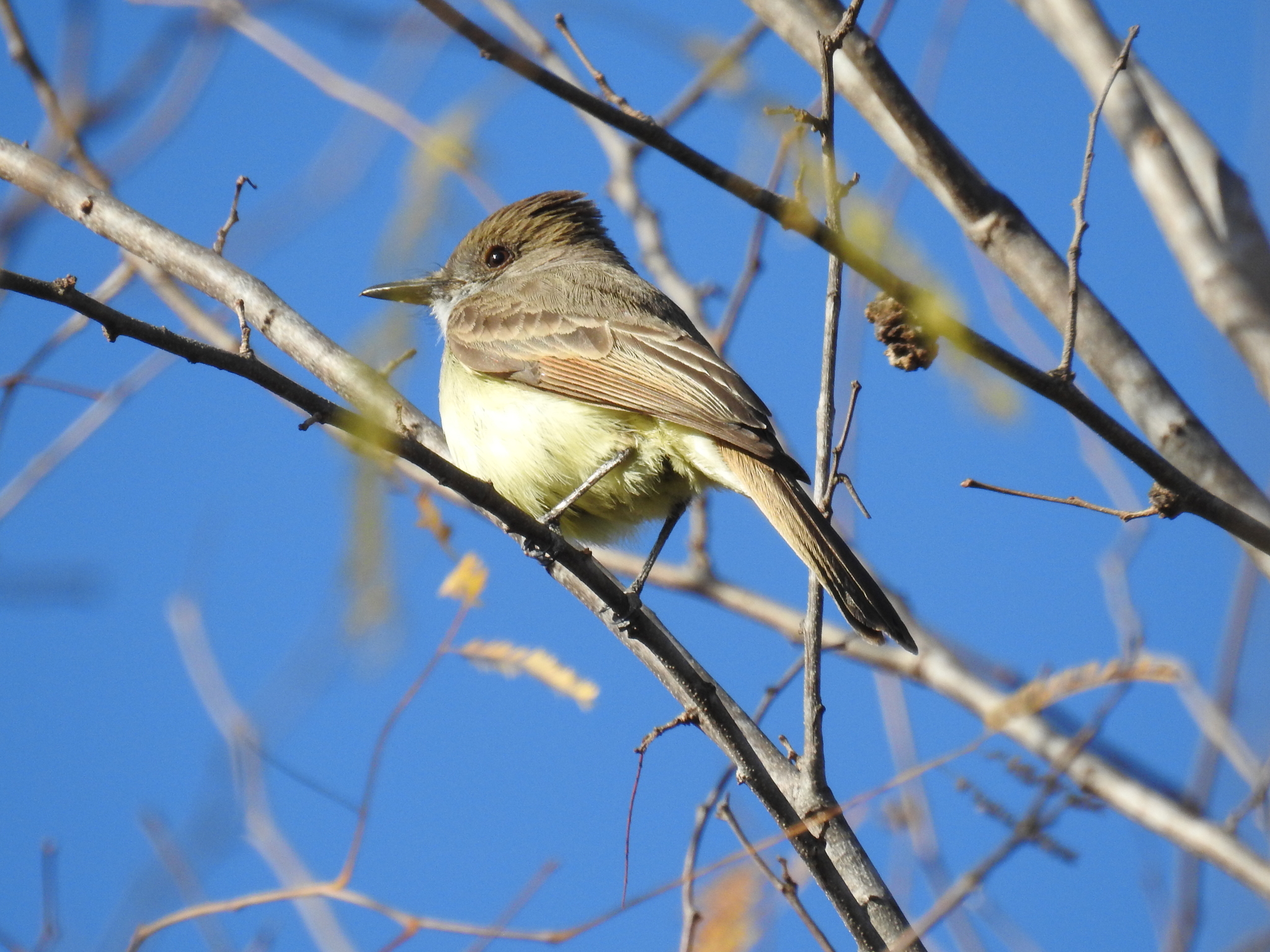 Nutting's Flycatcher
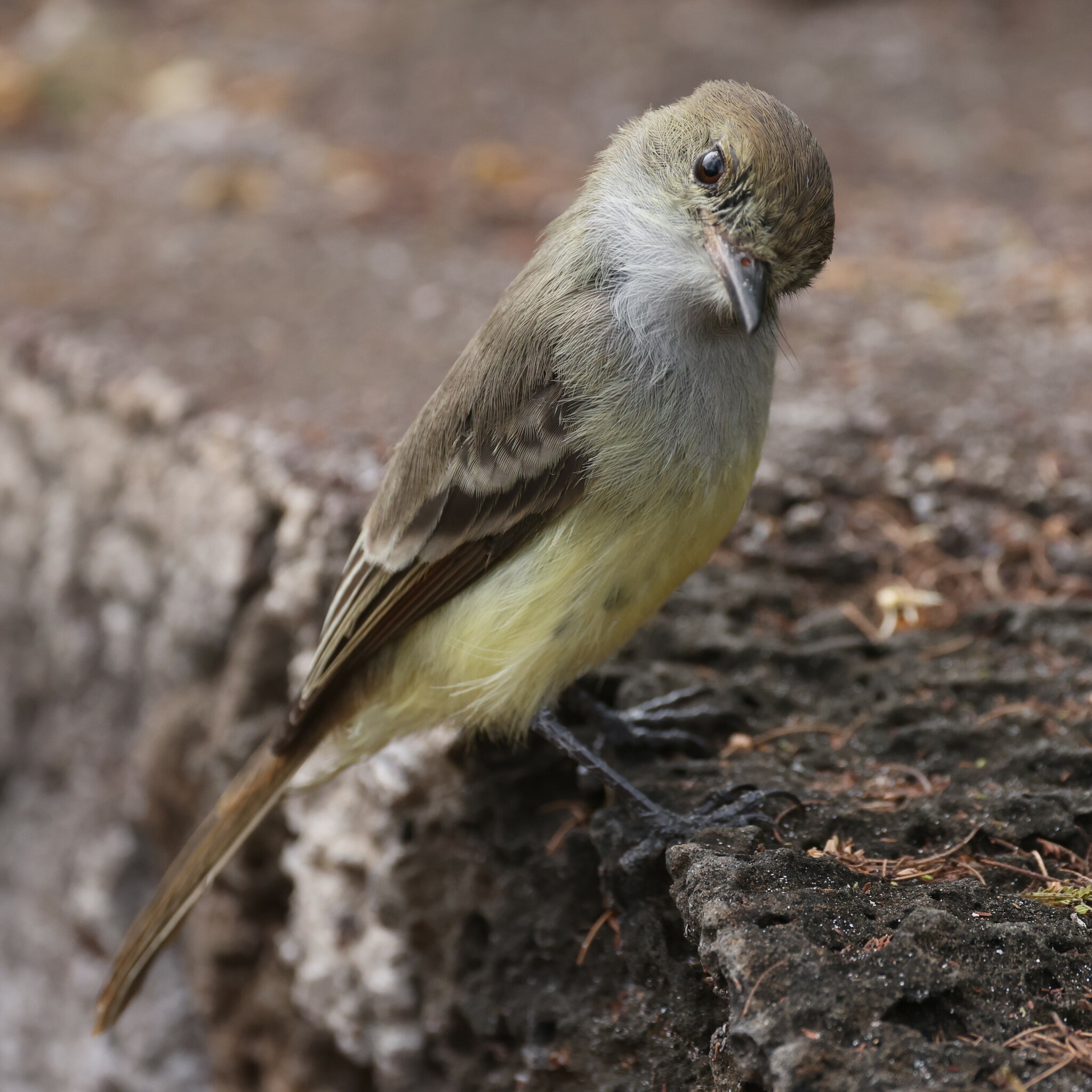 Galapagos Flycatcher
In short
Nutting's Flycatcher and Galapagos Flycatcher are both part of the Myiarchus genus, making them structurally similar. However, Nutting's Flycatcher is found in mainland Central America, while the Galapagos Flycatcher is endemic to the Galapagos Islands. Key differences include habitat preference and subtle plumage distinctions.
Identification tips
- Location: Nutting's Flycatcher is found in Central America, while the Galapagos Flycatcher is restricted to the Galapagos Islands. 2. Plumage: Look for the brighter rufous tail and wing edges in Nutting's Flycatcher. 3. Habitat: Consider the habitat type—dense forests for Nutting's vs. varied open habitats for Galapagos. 4. Vocalizations: Listen for distinct calls, though specific differences are not well-documented.
Size
Both species are similar in size, typical of Myiarchus flycatchers, with no significant size difference noted.
Plumage
Nutting's Flycatcher typically shows a more contrasting plumage with a brighter rufous tail and wing edges, while the Galapagos Flycatcher has a more uniform brownish appearance with less contrast between its upperparts and underparts.
Behaviour
Both species exhibit typical flycatcher behavior, such as sallying from perches to catch insects. Specific behavioral differences are not well-documented.
Habitat
Nutting's Flycatcher prefers dense, closed canopy thorn forests in mainland Central America, while the Galapagos Flycatcher inhabits the unique ecosystems of the Galapagos Islands, often in more open and varied habitats.
Voice
Vocalizations are not well-documented for direct comparison, but both species likely have distinct calls typical of Myiarchus flycatchers.
Nutting's Flycatcher · Galapagos Flycatcher · My Tricky Birds