
Ochre-rumped Bunting vs Pallas's Reed Bunting
Emberiza yessoensis versus Emberiza pallasi
Play a quiz with Ochre-rumped Bunting and Pallas's Reed Bunting
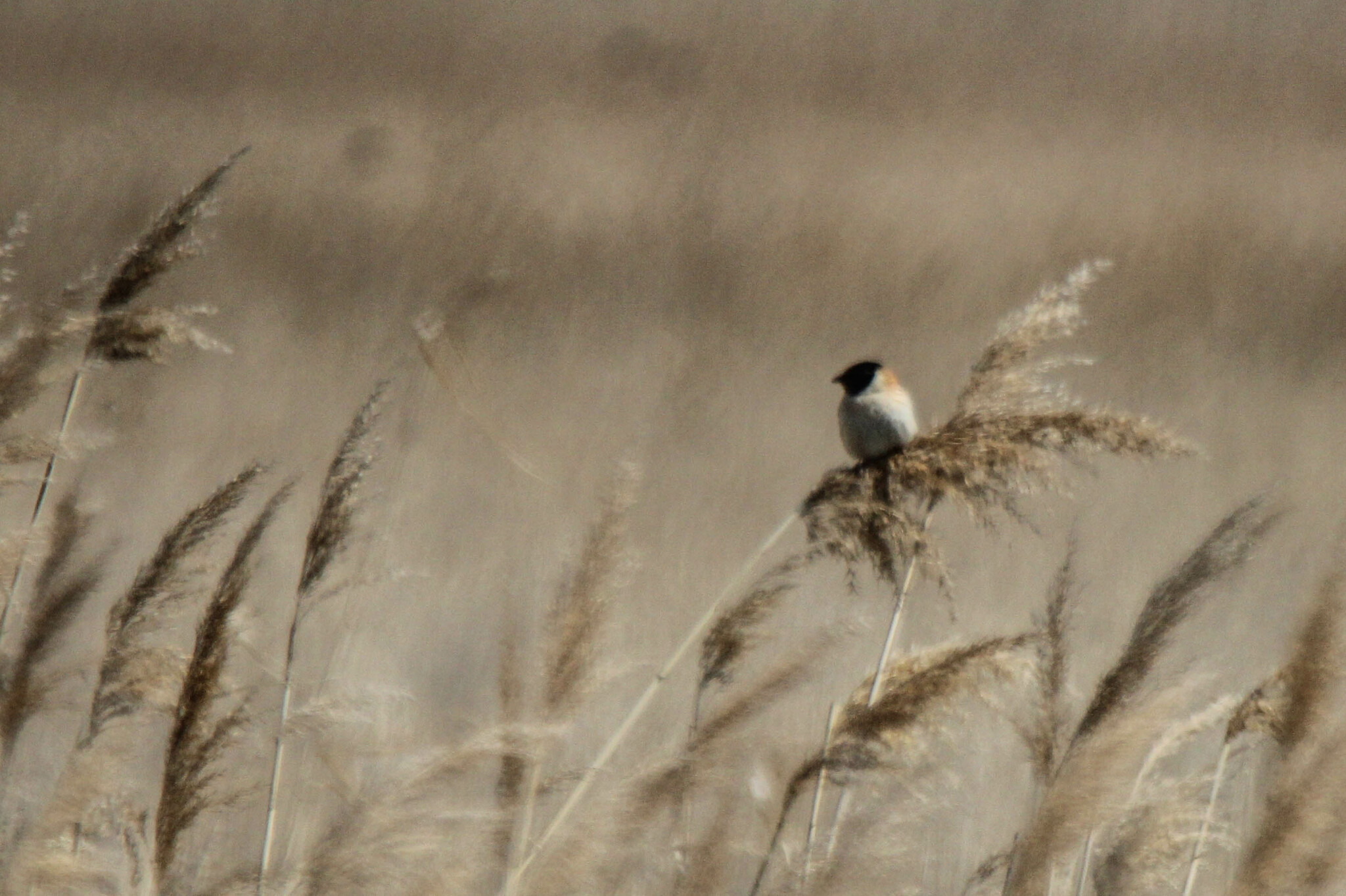 Ochre-rumped Bunting
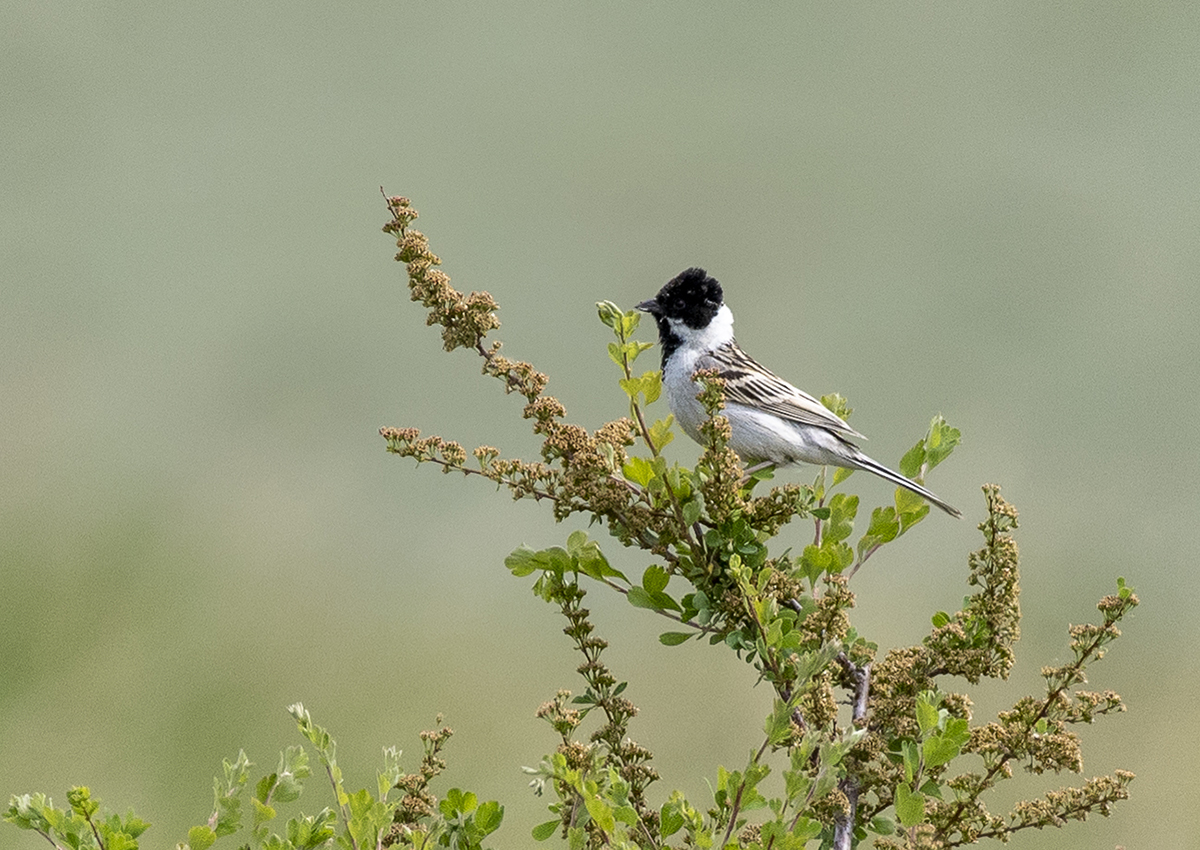 Pallas's Reed Bunting
In short
The Ochre-rumped Bunting and Pallas's Reed Bunting can be challenging to distinguish, but key differences include the ochre rump and more pronounced supercilium in the Ochre-rumped Bunting. Both species share similar habitats and behaviors, making plumage and vocalizations important for identification.
Identification tips
- Look for the ochre rump in the Ochre-rumped Bunting. 2. Check for a more pronounced supercilium in the Ochre-rumped Bunting. 3. Consider habitat overlap but focus on plumage details. 4. Use vocalizations cautiously, as they are not well-differentiated.
Size
Both species are similar in size, typical of buntings, with no significant differences noted.
Plumage
The Ochre-rumped Bunting has a distinctive ochre-colored rump and a more pronounced supercilium compared to Pallas's Reed Bunting. Pallas's Reed Bunting tends to have a more uniform and less contrasting plumage.
Behaviour
Both species exhibit similar behaviors typical of buntings, such as foraging on the ground and perching on reeds or low vegetation.
Habitat
Both species inhabit similar environments, often found in reed beds, marshes, and wet meadows.
Voice
Vocalizations are similar, with both species producing typical bunting calls. Specific differences in song are not well-documented.
Ochre-rumped Bunting · Pallas's Reed Bunting · My Tricky Birds