
Ochre-rumped Bunting vs Yellow-breasted Bunting
Emberiza yessoensis versus Emberiza aureola
Play a quiz with Ochre-rumped Bunting and Yellow-breasted Bunting
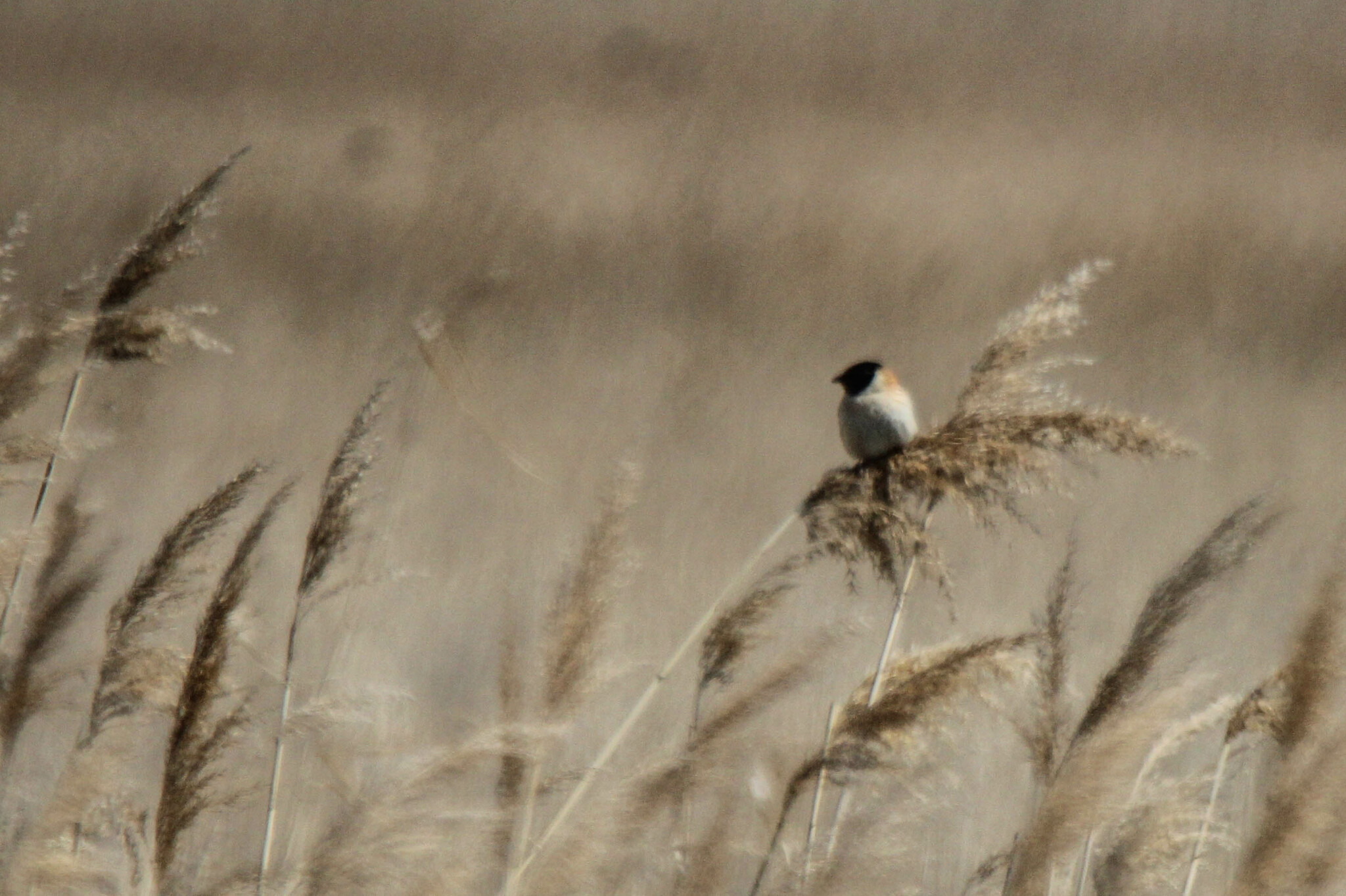 Ochre-rumped Bunting
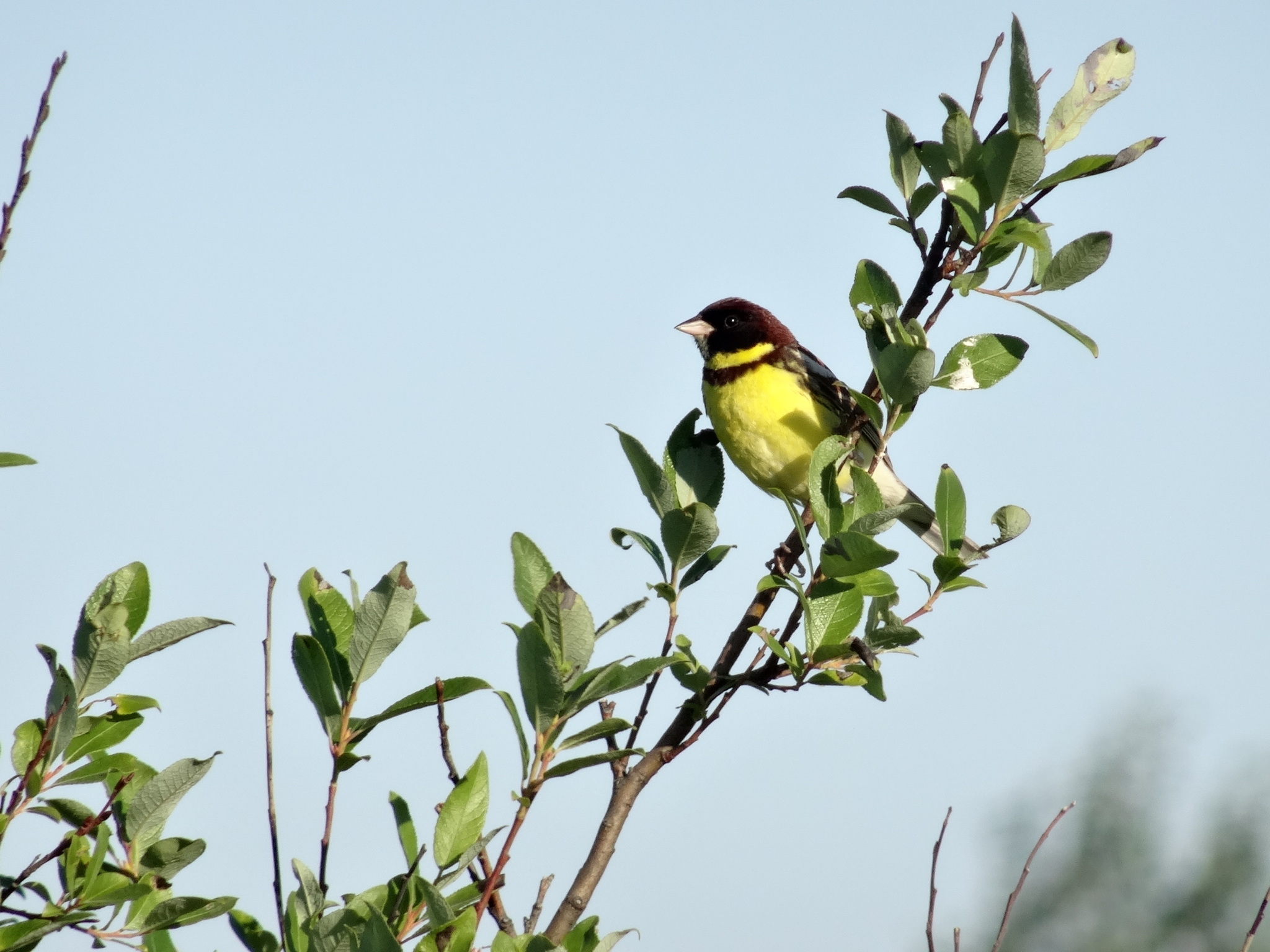 Yellow-breasted Bunting
In short
The Ochre-rumped Bunting and Yellow-breasted Bunting can be distinguished by their plumage and habitat preferences. The Ochre-rumped Bunting typically has a more subdued coloration with ochre tones, while the Yellow-breasted Bunting is known for its bright yellow underparts. Both species belong to the Old World Buntings family, but they have distinct field marks that aid in identification.
Identification tips
- Look for the bright yellow breast of the Yellow-breasted Bunting, especially in males. 2. Note the ochre rump and muted tones of the Ochre-rumped Bunting. 3. Consider habitat: Ochre-rumped prefers open grasslands, while Yellow-breasted can be found in varied environments. 4. Use vocalizations as a secondary cue, as they are not significantly different.
Size
Both species are similar in size, typical of buntings, with no significant differences in overall body size.
Plumage
The Ochre-rumped Bunting features ochre tones on its rump and a generally more muted color palette. In contrast, the Yellow-breasted Bunting is notable for its bright yellow breast and underparts, which are particularly striking in males during the breeding season.
Behaviour
Both species exhibit typical bunting behavior, such as foraging on the ground and perching in shrubs. There are no significant behavioral differences noted.
Habitat
Ochre-rumped Buntings are often found in open, grassy areas, while Yellow-breasted Buntings prefer more varied habitats, including wetlands and agricultural fields. Both species may overlap in some regions but have distinct habitat preferences.
Voice
Vocalizations of both species are typical of buntings, with no major distinguishing features noted in the sources. Observers should rely more on visual cues for identification.
Ochre-rumped Bunting · Yellow-breasted Bunting · My Tricky Birds