Birdr

Olivaceous Thornbill vs Samoan Whistler

Chalcostigma olivaceum versus Pachycephala flavifrons

Play a quiz with Olivaceous Thornbill and Samoan Whistler
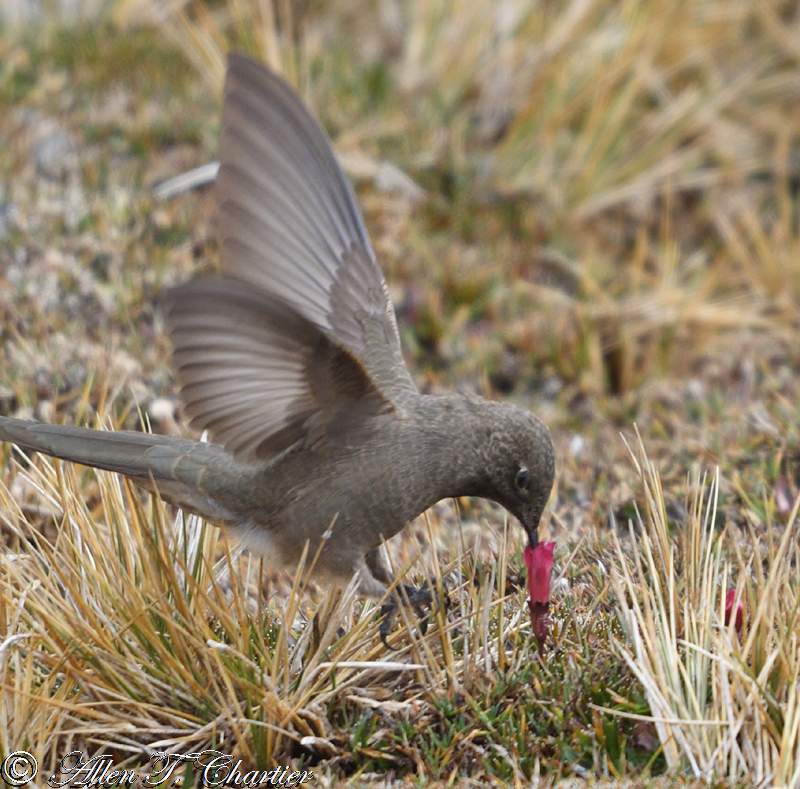
Olivaceous Thornbill (Chalcostigma olivaceum) Olivaceous Thornbill
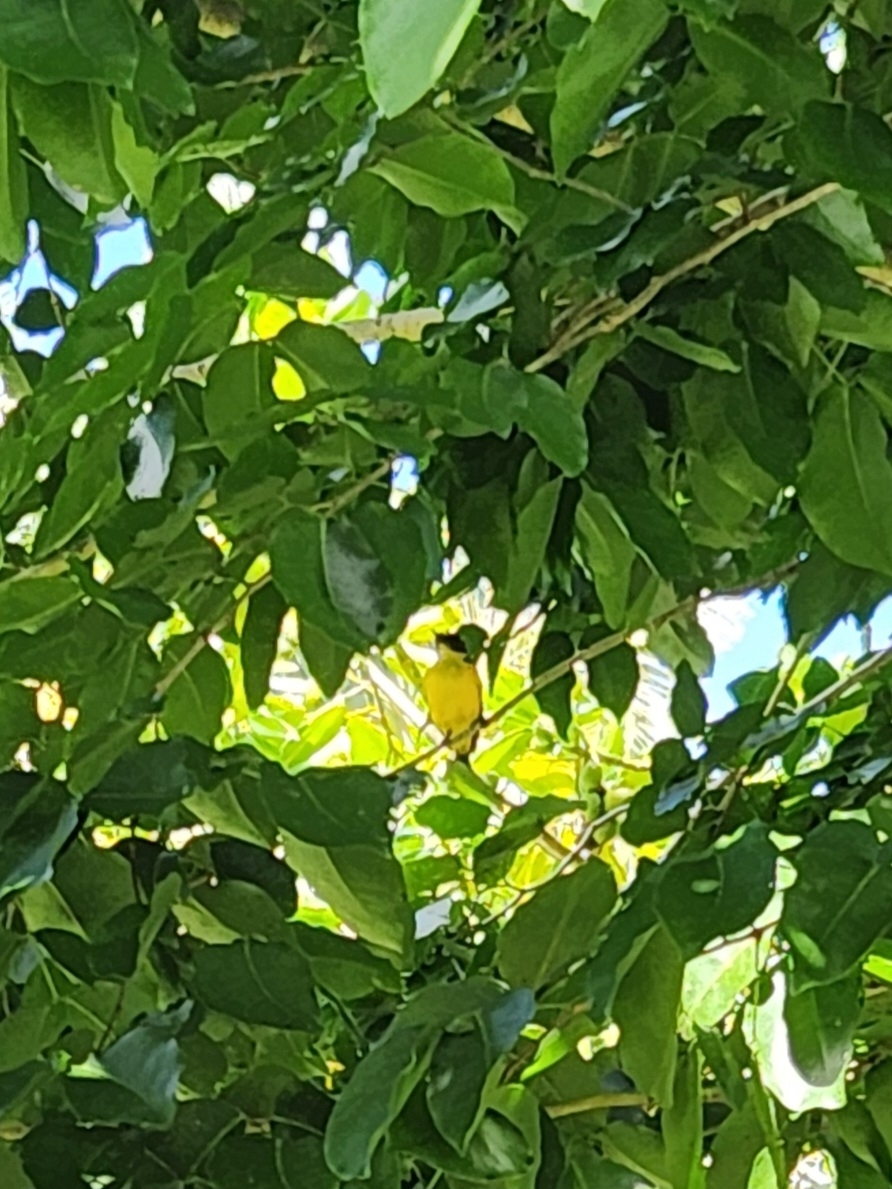
Samoan Whistler (Pachycephala flavifrons) Samoan Whistler

Media

Loading…

In short

The Olivaceous Thornbill and the Samoan Whistler are very different species, with the former being a hummingbird and the latter a whistler. The most reliable field mark is their size and shape: the Olivaceous Thornbill is a small, slender hummingbird with a long bill, while the Samoan Whistler is a larger, stout songbird with a short bill.

Identification tips

  1. Size and Shape: Note the small, slender form and long bill of the Olivaceous Thornbill compared to the larger, stockier Samoan Whistler. 2. Plumage: Look for the iridescent throat patch on the Olivaceous Thornbill and the bright yellow underparts with a black head on the Samoan Whistler. 3. Behavior: Observe flight behavior; Olivaceous Thornbills hover, while Samoan Whistlers perch. 4. Habitat: Consider the location; high-altitude Andes for the thornbill, Samoan islands for the whistler.

Size

The Olivaceous Thornbill is much smaller and more delicate than the Samoan Whistler, which is larger and more robust.

Plumage

The Olivaceous Thornbill has an overall olive-green plumage with a distinctive iridescent throat patch, whereas the Samoan Whistler features bright yellow underparts and a contrasting black head.

Behaviour

Olivaceous Thornbills are agile fliers, often seen hovering near flowers, while Samoan Whistlers are more likely to be found perching and foraging in trees.

Habitat

Olivaceous Thornbills are typically found in high-altitude Andean regions, whereas Samoan Whistlers inhabit forests and gardens on the Samoan islands.

Voice

The Olivaceous Thornbill is generally silent or emits high-pitched calls, while the Samoan Whistler is known for its melodious and varied song.

Submit a better description

Use the same sections as the comparison. Your text is published immediately.

The Olivaceous Thornbill and the Samoan Whistler are very different species, with the former being a hummingbird and the latter a whistler. The most reliable field mark is their size and shape: the Olivaceous Thornbill is a small, slender hummingbird with a long bill, while the Samoan Whistler is a larger, stout songbird with a short bill.

  1. Size and Shape: Note the small, slender form and long bill of the Olivaceous Thornbill compared to the larger, stockier Samoan Whistler. 2. Plumage: Look for the iridescent throat patch on the Olivaceous Thornbill and the bright yellow underparts with a black head on the Samoan Whistler. 3. Behavior: Observe flight behavior; Olivaceous Thornbills hover, while Samoan Whistlers perch. 4. Habitat: Consider the location; high-altitude Andes for the thornbill, Samoan islands for the whistler.

The Olivaceous Thornbill is much smaller and more delicate than the Samoan Whistler, which is larger and more robust.

The Olivaceous Thornbill has an overall olive-green plumage with a distinctive iridescent throat patch, whereas the Samoan Whistler features bright yellow underparts and a contrasting black head.

Olivaceous Thornbills are agile fliers, often seen hovering near flowers, while Samoan Whistlers are more likely to be found perching and foraging in trees.

Olivaceous Thornbills are typically found in high-altitude Andean regions, whereas Samoan Whistlers inhabit forests and gardens on the Samoan islands.

The Olivaceous Thornbill is generally silent or emits high-pitched calls, while the Samoan Whistler is known for its melodious and varied song.

Discard your changes?

You have unsaved edits. If you leave now, those changes will be lost.

Olivaceous Thornbill · Samoan Whistler · My Tricky Birds