
Olivaceous Woodcreeper vs Olive-green Tanager
Sittasomus griseicapillus versus Orthogonys chloricterus
Play a quiz with Olivaceous Woodcreeper and Olive-green Tanager
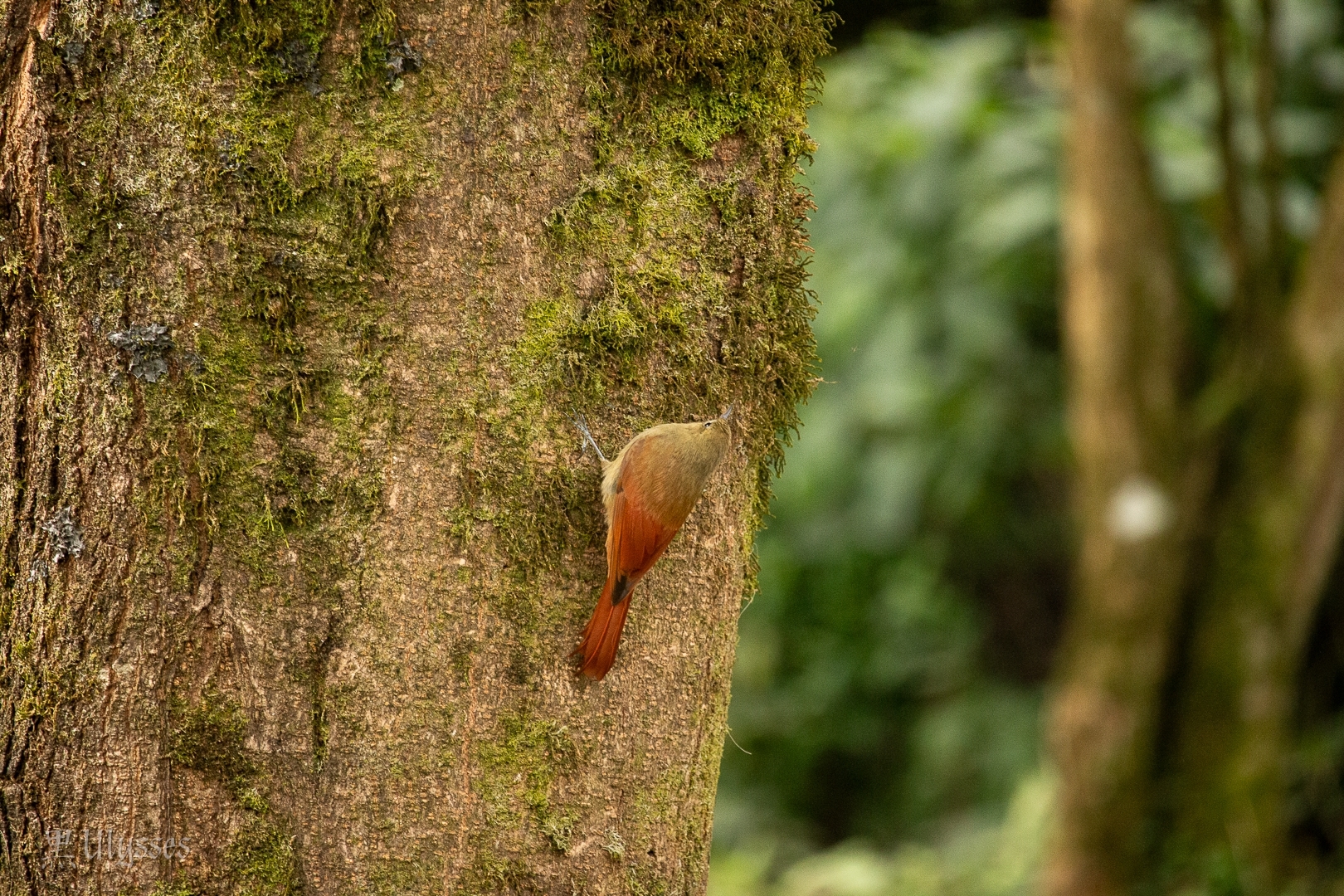 Olivaceous Woodcreeper
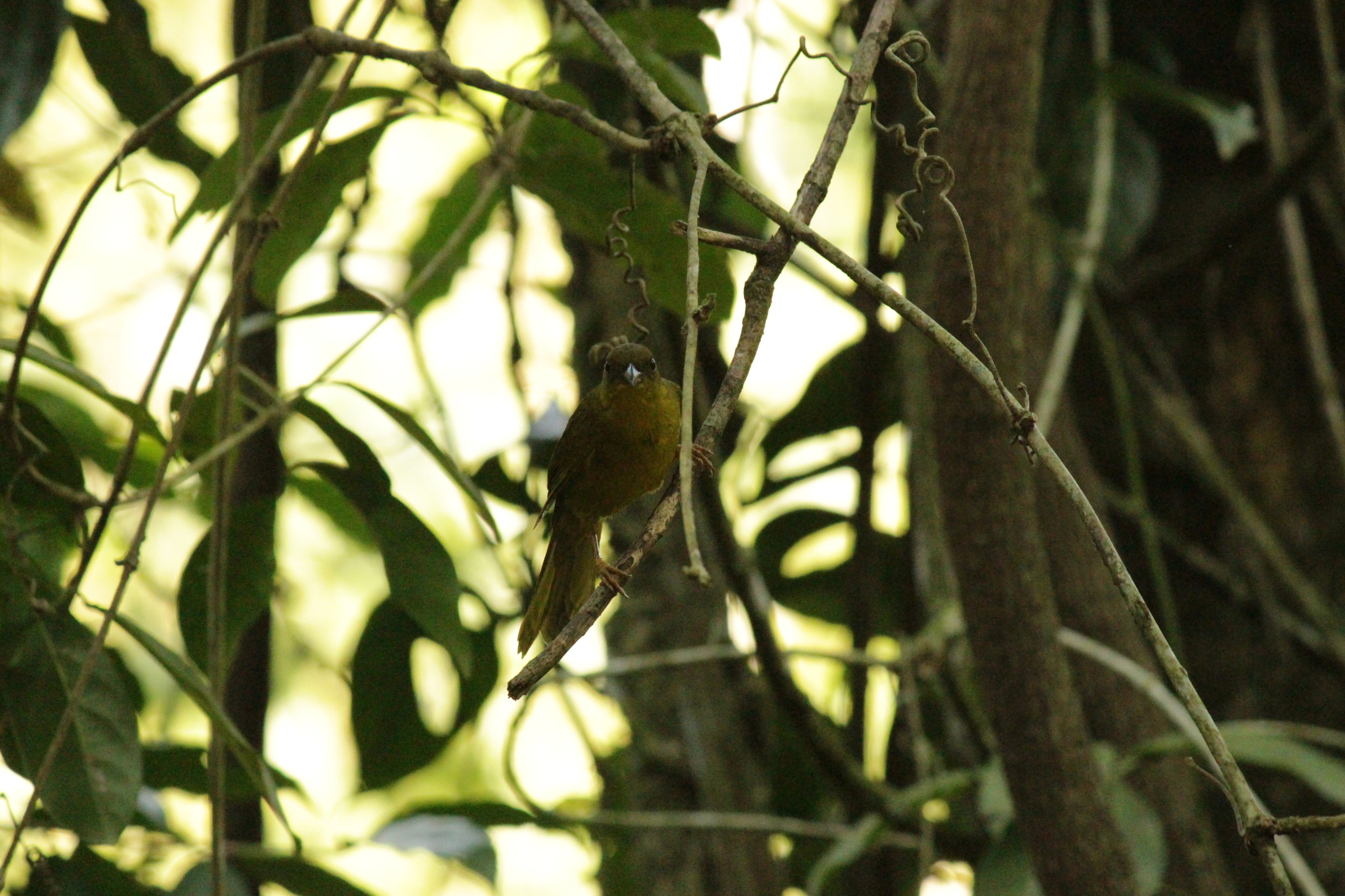 Olive-green Tanager
In short
The Olivaceous Woodcreeper and Olive-green Tanager can be distinguished by their structure and behavior. The woodcreeper has a more elongated body and bill, adapted for climbing, while the tanager is more compact and often seen in groups. Their vocalizations and habitat preferences also differ significantly.
Identification tips
1. Structure: Look for the woodcreeper's elongated body and bill, suited for climbing, versus the tanager's more compact form. 2. Behavior: Note the woodcreeper's solitary climbing versus the tanager's group foraging. 3. Plumage: Observe the woodcreeper's brownish tones compared to the tanager's olive-green and yellow. 4. Vocalization: Listen for the woodcreeper's regional songs, as the tanager's calls are less known.
Size
The Olivaceous Woodcreeper is generally more slender and elongated compared to the more compact Olive-green Tanager.
Plumage
The Olivaceous Woodcreeper is brownish with subtle olive tones, while the Olive-green Tanager is dull olive-green above and yellower below.
Behaviour
The Olivaceous Woodcreeper is often seen climbing tree trunks and branches, while the Olive-green Tanager is typically observed in groups, foraging for insects and fruits, and may serve as a nucleus for mixed-species flocks.
Habitat
The Olivaceous Woodcreeper is found in forested areas where it can climb trees, whereas the Olive-green Tanager is more likely to be seen in groups in various habitats, including visiting bird tables.
Voice
The Olivaceous Woodcreeper's song varies geographically, with trilled songs in the north and antwren-like whistles in the south. The Olive-green Tanager's vocalizations are not well-documented.
Olivaceous Woodcreeper · Olive-green Tanager · My Tricky Birds