Birdr

Olive-backed Euphonia vs Lesser Goldfinch

Euphonia gouldi versus Spinus psaltria

Play a quiz with Olive-backed Euphonia and Lesser Goldfinch
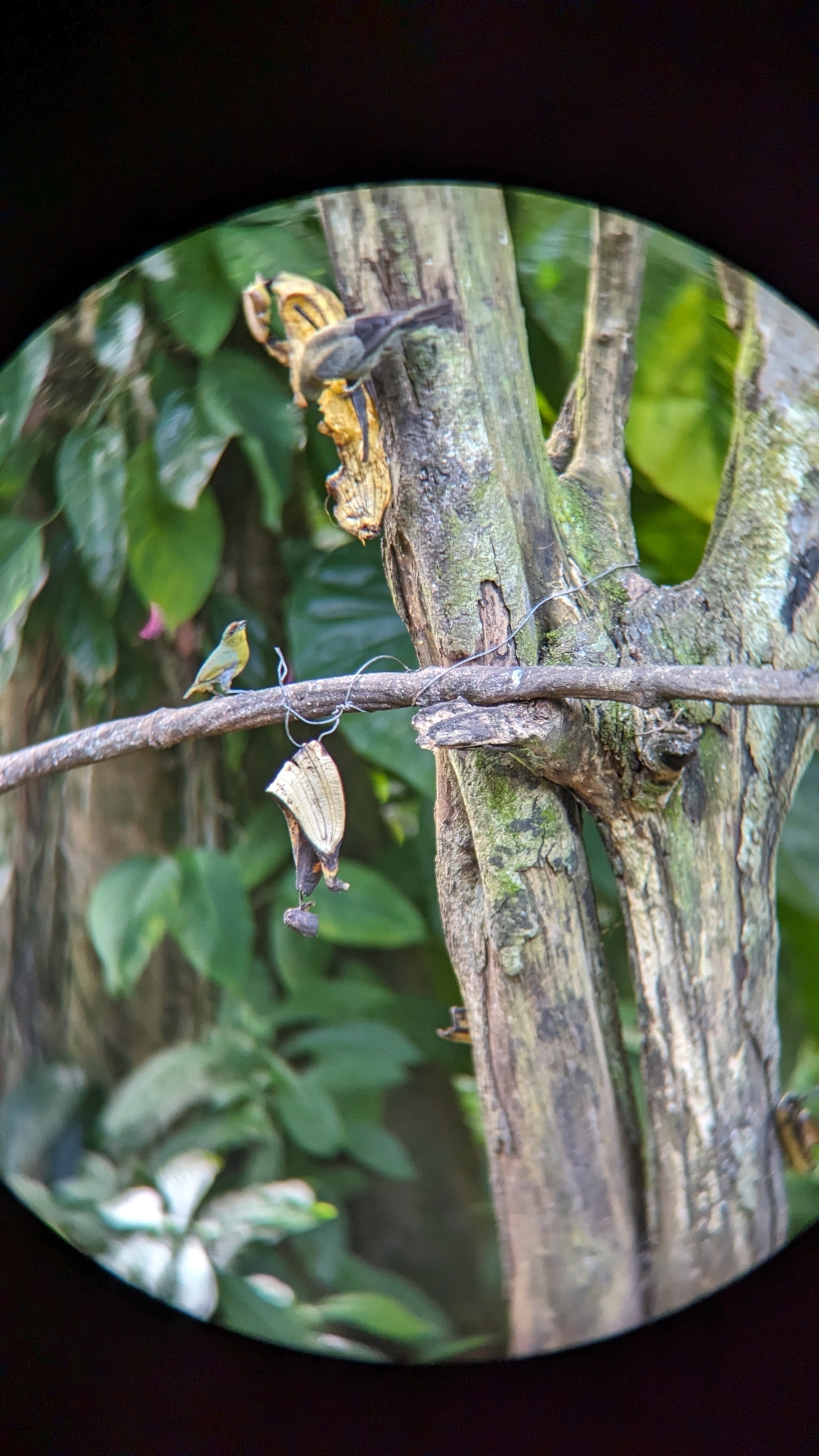
Olive-backed Euphonia (Euphonia gouldi) Olive-backed Euphonia
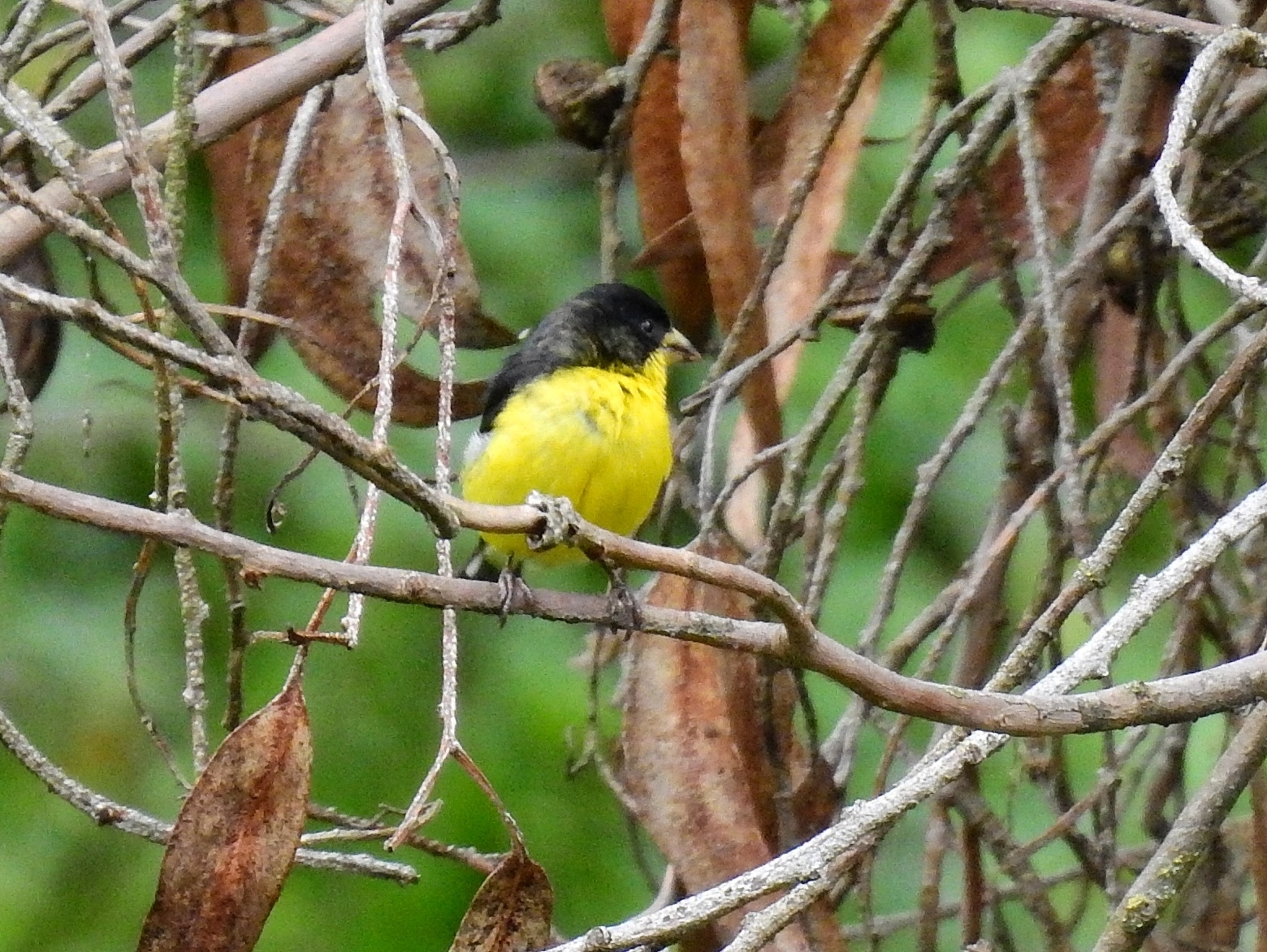
Lesser Goldfinch (Spinus psaltria) Lesser Goldfinch

Media

Loading…

In short

The Olive-backed Euphonia and Lesser Goldfinch can be distinguished by their habitat preferences and plumage. The Olive-backed Euphonia is typically found in forested areas on the Caribbean slope of Middle America, while the Lesser Goldfinch is more adaptable, often seen in open and urban areas across the western United States and Central America.

Identification tips

1. Habitat: Olive-backed Euphonia is found in forested areas, while Lesser Goldfinch is common in open and urban habitats. 2. Plumage: Look for the yellow forecrown in male Olive-backed Euphonias and the bright yellow underbelly of Lesser Goldfinches. 3. Grouping: Olive-backed Euphonias are often in pairs or small groups, whereas Lesser Goldfinches can be seen in larger flocks.

Size

Both species are small, but the Lesser Goldfinch is slightly larger with a more robust build.

Plumage

The Olive-backed Euphonia has a deep green back with rufous underparts and a small yellow forecrown in males, while the Lesser Goldfinch typically shows a black or greenish back with a bright yellow underbelly. Female Olive-backed Euphonias have rufous instead of yellow on the forecrown.

Behaviour

Olive-backed Euphonias are usually found in pairs or small groups, foraging at middle to upper levels of the forest. Lesser Goldfinches are more adaptable, often seen in flocks and exploiting a variety of food sources in open and human-modified landscapes.

Habitat

Olive-backed Euphonias are confined to forest interiors on the Caribbean slope, whereas Lesser Goldfinches thrive in a range of habitats, including agricultural and urban areas, across a broader geographic range.

Voice

Vocalizations are not detailed in the sources, but Lesser Goldfinches are known for their varied and complex songs, which may differ from the simpler calls of euphonias.

Submit a better description

Use the same sections as the comparison. Your text is published immediately.

The Olive-backed Euphonia and Lesser Goldfinch can be distinguished by their habitat preferences and plumage. The Olive-backed Euphonia is typically found in forested areas on the Caribbean slope of Middle America, while the Lesser Goldfinch is more adaptable, often seen in open and urban areas across the western United States and Central America.

1. Habitat: Olive-backed Euphonia is found in forested areas, while Lesser Goldfinch is common in open and urban habitats. 2. Plumage: Look for the yellow forecrown in male Olive-backed Euphonias and the bright yellow underbelly of Lesser Goldfinches. 3. Grouping: Olive-backed Euphonias are often in pairs or small groups, whereas Lesser Goldfinches can be seen in larger flocks.

Both species are small, but the Lesser Goldfinch is slightly larger with a more robust build.

The Olive-backed Euphonia has a deep green back with rufous underparts and a small yellow forecrown in males, while the Lesser Goldfinch typically shows a black or greenish back with a bright yellow underbelly. Female Olive-backed Euphonias have rufous instead of yellow on the forecrown.

Olive-backed Euphonias are usually found in pairs or small groups, foraging at middle to upper levels of the forest. Lesser Goldfinches are more adaptable, often seen in flocks and exploiting a variety of food sources in open and human-modified landscapes.

Olive-backed Euphonias are confined to forest interiors on the Caribbean slope, whereas Lesser Goldfinches thrive in a range of habitats, including agricultural and urban areas, across a broader geographic range.

Vocalizations are not detailed in the sources, but Lesser Goldfinches are known for their varied and complex songs, which may differ from the simpler calls of euphonias.

Discard your changes?

You have unsaved edits. If you leave now, those changes will be lost.

Olive-backed Euphonia · Lesser Goldfinch · My Tricky Birds