
Pallas's Reed Bunting vs Little Bunting
Emberiza pallasi versus Emberiza pusilla
Play a quiz with Pallas's Reed Bunting and Little Bunting
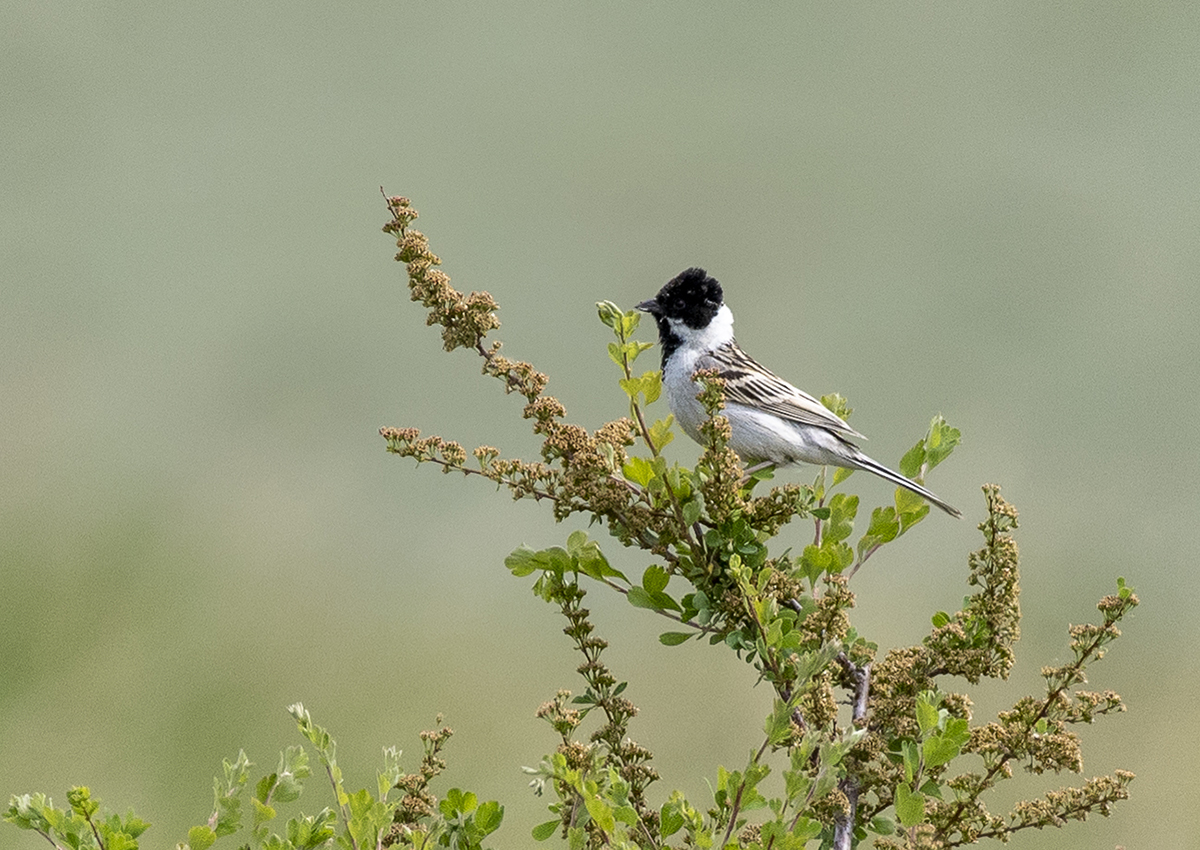 Pallas's Reed Bunting
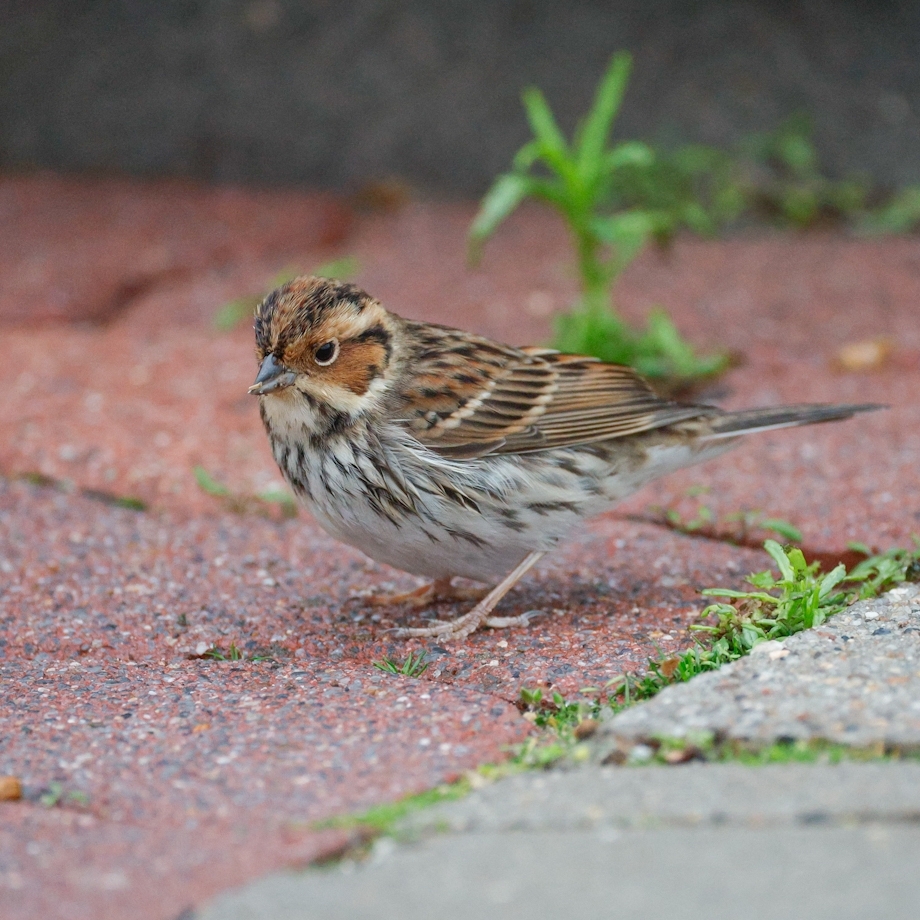 Little Bunting
In short
Pallas's Reed Bunting and Little Bunting can be tricky to differentiate, but the most reliable field mark is the head pattern. Pallas's Reed Bunting typically shows a more pronounced and contrasting head pattern, while Little Bunting has a more subtle and less distinct one. Both species are small and similar in structure, but careful attention to plumage details can help in identification.
Identification tips
- Head pattern: Look for a more pronounced and contrasting head pattern in Pallas's Reed Bunting.
- Supercilium: Pallas's Reed Bunting has a clearer white supercilium compared to the less distinct one in Little Bunting.
- Habitat: Consider the habitat; Pallas's Reed Bunting is more likely in wetland areas, while Little Bunting can be found in a variety of habitats.
- Vocalizations: If heard, note that both have similar high-pitched calls, which may not be a reliable distinguishing feature.
Size
Both species are similar in size, typical of small buntings.
Plumage
Pallas's Reed Bunting often shows a more contrasting head pattern with a distinct dark crown and a clearer white supercilium. Little Bunting has a more subdued head pattern with less contrast, and its supercilium is less pronounced. The body plumage of both species is similar, with streaked brown upperparts and paler underparts.
Behaviour
Both species exhibit similar behaviors typical of buntings, such as foraging on the ground or in low vegetation.
Habitat
Pallas's Reed Bunting is often found in reedbeds and wetland areas, while Little Bunting prefers more varied habitats including open woodlands and shrubby areas.
Voice
The vocalizations of both species are similar and can be difficult to distinguish in the field. Both have a simple, high-pitched call.