
Pallas's Reed Bunting vs Yellow-breasted Bunting
Emberiza pallasi versus Emberiza aureola
Play a quiz with Pallas's Reed Bunting and Yellow-breasted Bunting
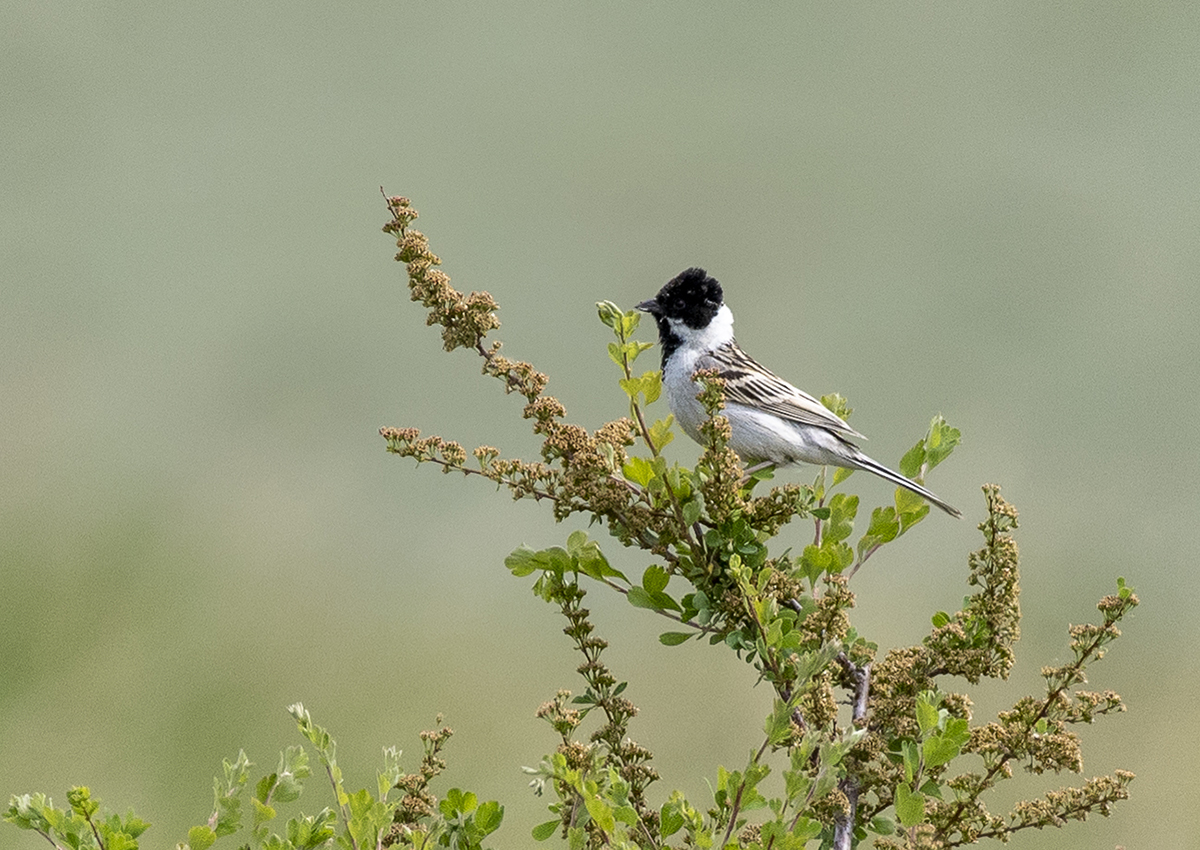 Pallas's Reed Bunting
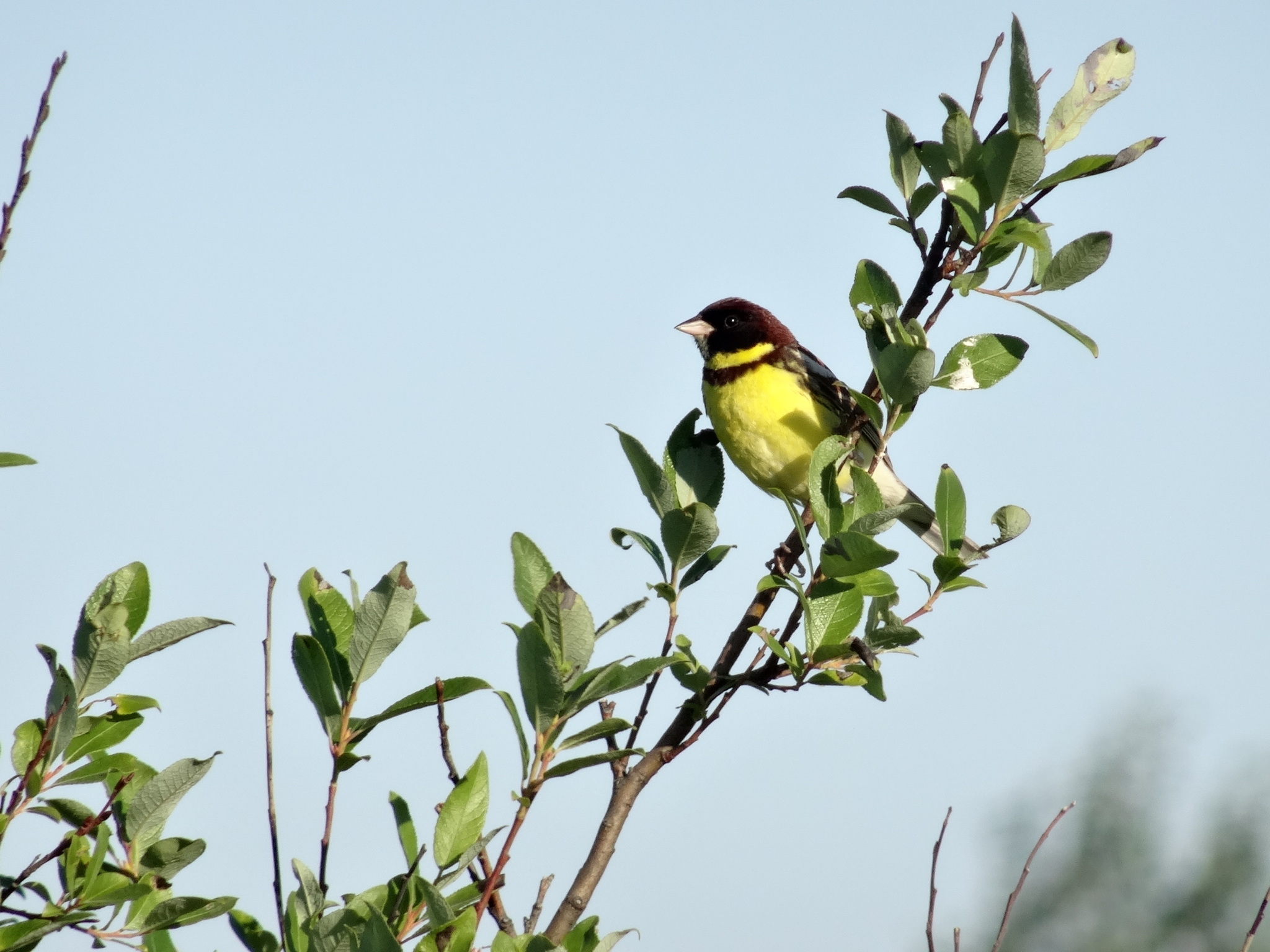 Yellow-breasted Bunting
In short
Pallas's Reed Bunting and Yellow-breasted Bunting are both small, Old World buntings, but they can be distinguished by their plumage and habitat preferences. Pallas's Reed Bunting is more associated with reed beds, while Yellow-breasted Bunting is often found in open fields and grasslands.
Identification tips
Look for Pallas's Reed Bunting in reed beds with a more subdued plumage and less yellow on the breast. Yellow-breasted Bunting is more likely in open fields, with bright yellow underparts and a contrasting head pattern. In mixed flocks, focus on habitat and plumage contrast for reliable identification.
Size
Both species are similar in size, typical of small buntings.
Plumage
Pallas's Reed Bunting has a more subdued plumage with a brownish back and a less distinct yellow on the breast, while Yellow-breasted Bunting is notable for its bright yellow underparts and more contrasting head pattern.
Behaviour
Both species exhibit typical bunting behavior, often seen foraging on the ground or low in vegetation.
Habitat
Pallas's Reed Bunting is more commonly found in reed beds and marshy areas, whereas Yellow-breasted Bunting prefers open fields, grasslands, and sometimes agricultural areas.
Voice
Vocalizations are not the most reliable distinguishing feature in the field, but Yellow-breasted Bunting's song is more melodious compared to the simpler calls of Pallas's Reed Bunting.
Pallas's Reed Bunting · Yellow-breasted Bunting · My Tricky Birds