Birdr

Pallid Swift vs Forbes-Watson's Swift

Apus pallidus versus Apus berliozi

Play a quiz with Pallid Swift and Forbes-Watson's Swift
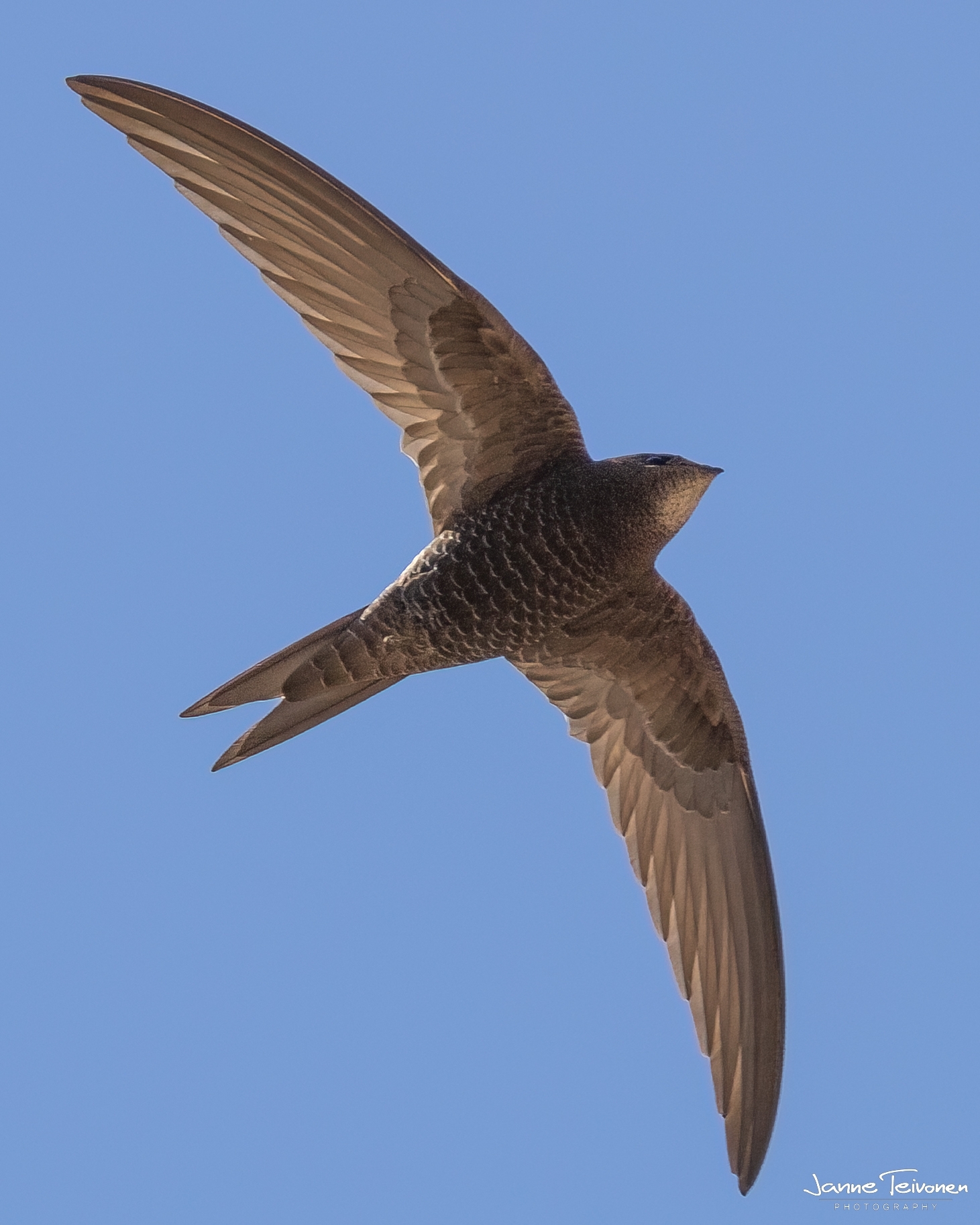
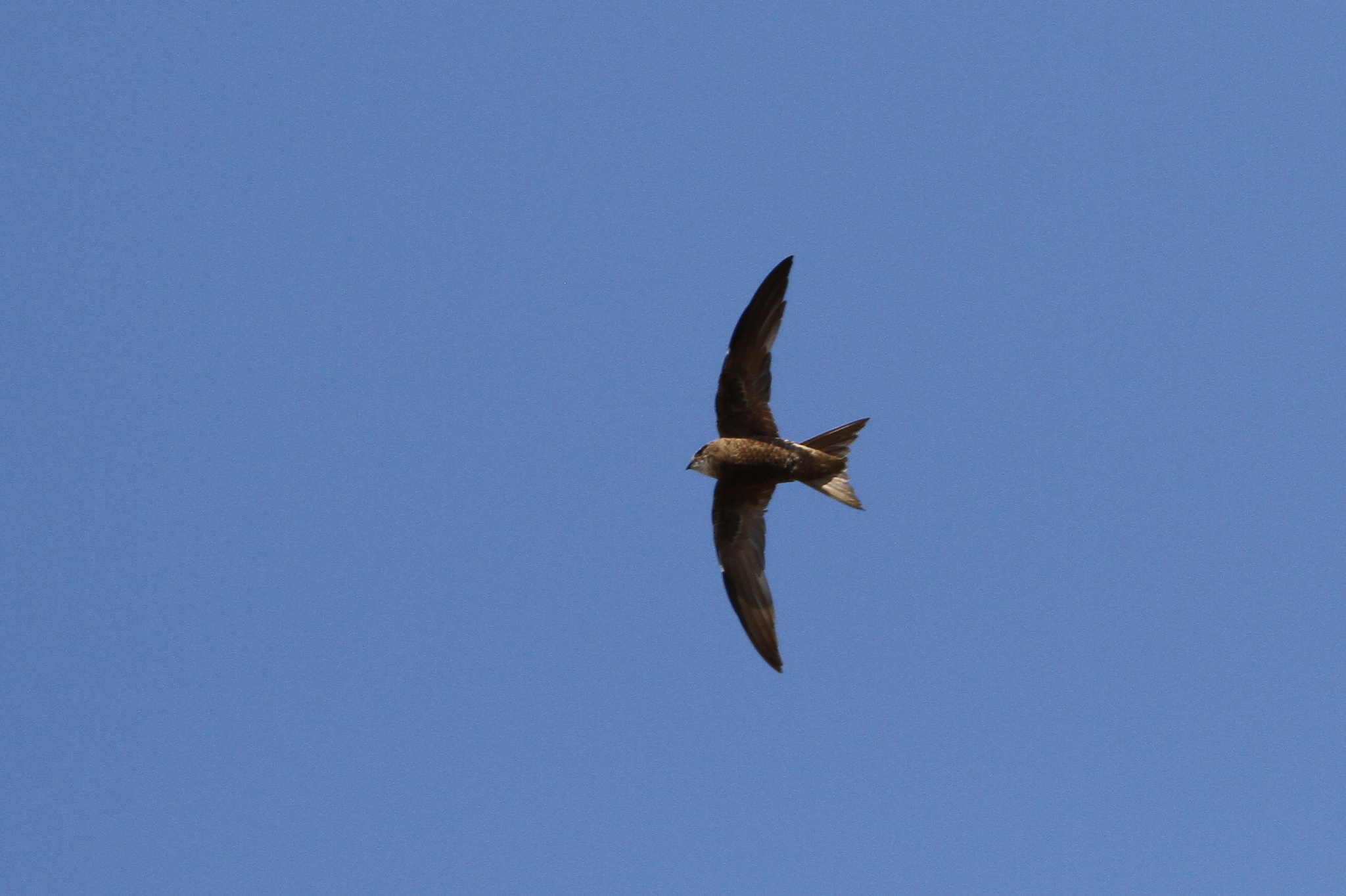
Pallid Swift (Apus pallidus) Pallid Swift
Forbes-Watson's Swift (Apus berliozi) Forbes-Watson's Swift

Media

Loading…

In short

Pallid Swift and Forbes-Watson's Swift are both members of the Apodidae family, making them structurally similar with long, sickle-shaped wings and forked tails. The most reliable field mark is their plumage tone: Pallid Swift has a paler, more uniform appearance compared to the darker, more contrasting Forbes-Watson's Swift. Vocalizations are not distinctly different, so focus on plumage and habitat for identification.

Identification tips

  1. Plumage Tone: Look for the paler, more uniform coloration of the Pallid Swift compared to the darker Forbes-Watson's Swift. 2. Habitat: Consider the location; Forbes-Watson's Swift is more likely in coastal and island areas of the western Indian Ocean. 3. Flight Pattern: While not distinctive, observing typical swift flight behavior can confirm identification as a swift species.

Size

Both species are similar in size, typical of swifts, with no significant differences in length or wingspan.

Plumage

Pallid Swift appears paler and more uniform in color, often with a slightly brownish tinge, while Forbes-Watson's Swift is darker with more contrasting plumage, especially noticeable in good light.

Behaviour

Both species exhibit typical swift behavior, characterized by fast, agile flight and spending most of their time airborne. No significant behavioral differences are noted.

Habitat

Pallid Swift is more widespread and can be found in a variety of open habitats, often near cliffs or urban areas. Forbes-Watson's Swift is more localized, primarily found in coastal regions and islands of the western Indian Ocean.

Voice

Vocalizations are not a reliable distinguishing feature between these two species, as both produce similar high-pitched calls typical of swifts.

Submit a better description

Use the same sections as the comparison. Your text is published immediately.

Pallid Swift and Forbes-Watson's Swift are both members of the Apodidae family, making them structurally similar with long, sickle-shaped wings and forked tails. The most reliable field mark is their plumage tone: Pallid Swift has a paler, more uniform appearance compared to the darker, more contrasting Forbes-Watson's Swift. Vocalizations are not distinctly different, so focus on plumage and habitat for identification.

  1. Plumage Tone: Look for the paler, more uniform coloration of the Pallid Swift compared to the darker Forbes-Watson's Swift. 2. Habitat: Consider the location; Forbes-Watson's Swift is more likely in coastal and island areas of the western Indian Ocean. 3. Flight Pattern: While not distinctive, observing typical swift flight behavior can confirm identification as a swift species.

Both species are similar in size, typical of swifts, with no significant differences in length or wingspan.

Pallid Swift appears paler and more uniform in color, often with a slightly brownish tinge, while Forbes-Watson's Swift is darker with more contrasting plumage, especially noticeable in good light.

Both species exhibit typical swift behavior, characterized by fast, agile flight and spending most of their time airborne. No significant behavioral differences are noted.

Pallid Swift is more widespread and can be found in a variety of open habitats, often near cliffs or urban areas. Forbes-Watson's Swift is more localized, primarily found in coastal regions and islands of the western Indian Ocean.

Vocalizations are not a reliable distinguishing feature between these two species, as both produce similar high-pitched calls typical of swifts.

Discard your changes?

You have unsaved edits. If you leave now, those changes will be lost.

Pallid Swift · Forbes-Watson's Swift · My Tricky Birds