Birdr

Pechora Pipit vs Chestnut Bunting

Anthus gustavi versus Emberiza rutila

Play a quiz with Pechora Pipit and Chestnut Bunting
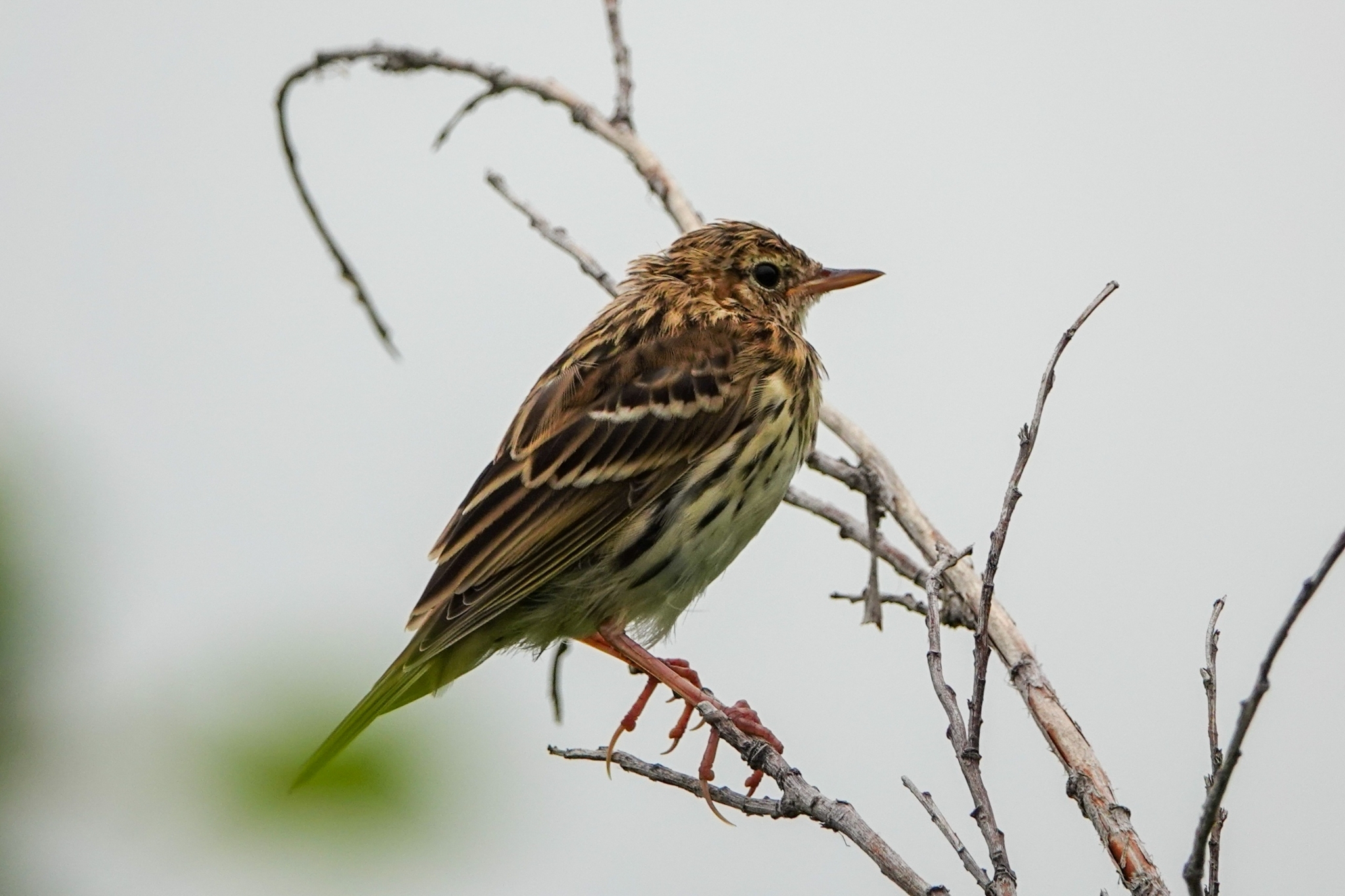
Pechora Pipit (Anthus gustavi) Pechora Pipit
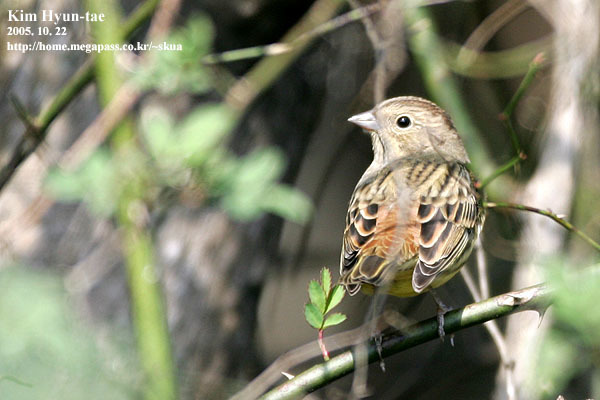
Chestnut Bunting (Emberiza rutila) Chestnut Bunting

Media

Loading…

In short

Pechora Pipit and Chestnut Bunting can be confused due to similar size and habitat preferences, but they differ significantly in plumage and structural features. The Pechora Pipit is a streaked brown pipit, while the Chestnut Bunting is more colorful with distinct chestnut tones.

Identification tips

  1. Plumage: Look for the Pechora Pipit's streaked brown plumage and strong supercilium versus the Chestnut Bunting's chestnut tones, especially in males. 2. Behavior: Note the Pechora Pipit's ground-dwelling habits compared to the perching behavior of the Chestnut Bunting. 3. Habitat: Consider the habitat; Pechora Pipit prefers wetter, grassy areas. 4. Vocalization: If heard, the Chestnut Bunting's song is a sweet warble, while Pechora Pipit's calls are less documented.

Size

Both species are similar in size, small and sparrow-like.

Plumage

Pechora Pipit has a heavily streaked brown appearance with a prominent supercilium, while the Chestnut Bunting displays bright chestnut on the head and body, especially in males. Females and immatures of the bunting are duller but still show some chestnut tones.

Behaviour

Pechora Pipit often walks or runs on the ground, typical of pipits, while Chestnut Bunting is more likely to be seen perching in shrubs or trees.

Habitat

Both species can be found in similar habitats like open woodlands and scrubby areas, but Pechora Pipit is more often associated with wet, grassy areas.

Voice

Vocalizations are not well-documented for Pechora Pipit, while Chestnut Bunting has a sweet, warbling song. Calls may differ but are not a primary identification feature.

Submit a better description

Use the same sections as the comparison. Your text is published immediately.

Pechora Pipit and Chestnut Bunting can be confused due to similar size and habitat preferences, but they differ significantly in plumage and structural features. The Pechora Pipit is a streaked brown pipit, while the Chestnut Bunting is more colorful with distinct chestnut tones.

  1. Plumage: Look for the Pechora Pipit's streaked brown plumage and strong supercilium versus the Chestnut Bunting's chestnut tones, especially in males. 2. Behavior: Note the Pechora Pipit's ground-dwelling habits compared to the perching behavior of the Chestnut Bunting. 3. Habitat: Consider the habitat; Pechora Pipit prefers wetter, grassy areas. 4. Vocalization: If heard, the Chestnut Bunting's song is a sweet warble, while Pechora Pipit's calls are less documented.

Both species are similar in size, small and sparrow-like.

Pechora Pipit has a heavily streaked brown appearance with a prominent supercilium, while the Chestnut Bunting displays bright chestnut on the head and body, especially in males. Females and immatures of the bunting are duller but still show some chestnut tones.

Pechora Pipit often walks or runs on the ground, typical of pipits, while Chestnut Bunting is more likely to be seen perching in shrubs or trees.

Both species can be found in similar habitats like open woodlands and scrubby areas, but Pechora Pipit is more often associated with wet, grassy areas.

Vocalizations are not well-documented for Pechora Pipit, while Chestnut Bunting has a sweet, warbling song. Calls may differ but are not a primary identification feature.

Discard your changes?

You have unsaved edits. If you leave now, those changes will be lost.

Pechora Pipit · Chestnut Bunting · My Tricky Birds