
Pelagic Cormorant vs Neotropic Cormorant
Urile pelagicus versus Nannopterum brasilianum
Play a quiz with Pelagic Cormorant and Neotropic Cormorant
 Pelagic Cormorant
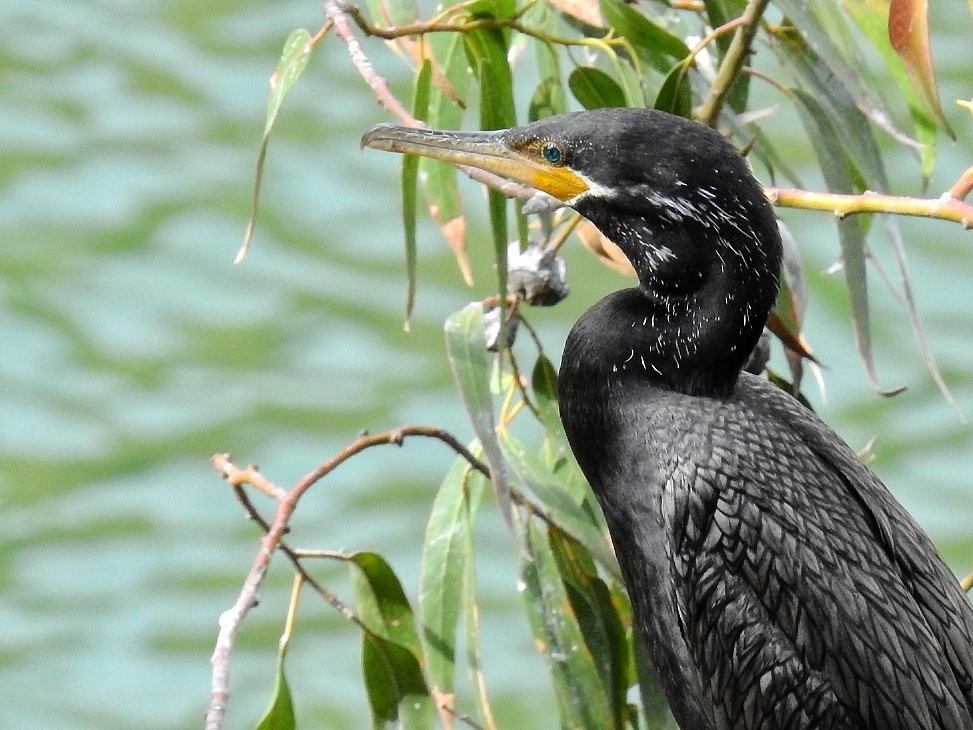 Neotropic Cormorant
In short
The Pelagic Cormorant and Neotropic Cormorant can be distinguished by their habitat preferences and subtle structural differences. Pelagic Cormorants are typically found in coastal marine environments, while Neotropic Cormorants are more adaptable, often found in diverse habitats including inland waters. Key structural differences include the Neotropic's ability to perch on slender twigs and wires.
Identification tips
- Habitat: Look for Pelagic Cormorants in coastal areas; Neotropic Cormorants can be found in a variety of habitats, including inland waters. 2. Perching Behavior: Neotropic Cormorants can perch on slender branches and wires, unlike Pelagic Cormorants. 3. Plumage Sheen: During breeding, Pelagic Cormorants may show a more iridescent sheen compared to the Neotropic's matte plumage.
Size
Both species are similar in size, but the Neotropic Cormorant may appear slightly bulkier due to its more robust build.
Plumage
Both species have dark plumage, but the Pelagic Cormorant often shows a more iridescent sheen, especially during the breeding season. The Neotropic Cormorant may have a more matte appearance.
Behaviour
Pelagic Cormorants are more solitary and sensitive to disturbances, while Neotropic Cormorants are tolerant of human presence and can be seen in flocks. Notably, the Neotropic Cormorant is unique among cormorants for its ability to plunge-dive.
Habitat
Pelagic Cormorants are primarily coastal, often seen on rocky shores and cliffs. Neotropic Cormorants are highly adaptable, found in both coastal and inland waters, and often nest in trees.