Birdr

Pied Avocet vs Bimaculated Lark

Recurvirostra avosetta versus Melanocorypha bimaculata

Play a quiz with Pied Avocet and Bimaculated Lark
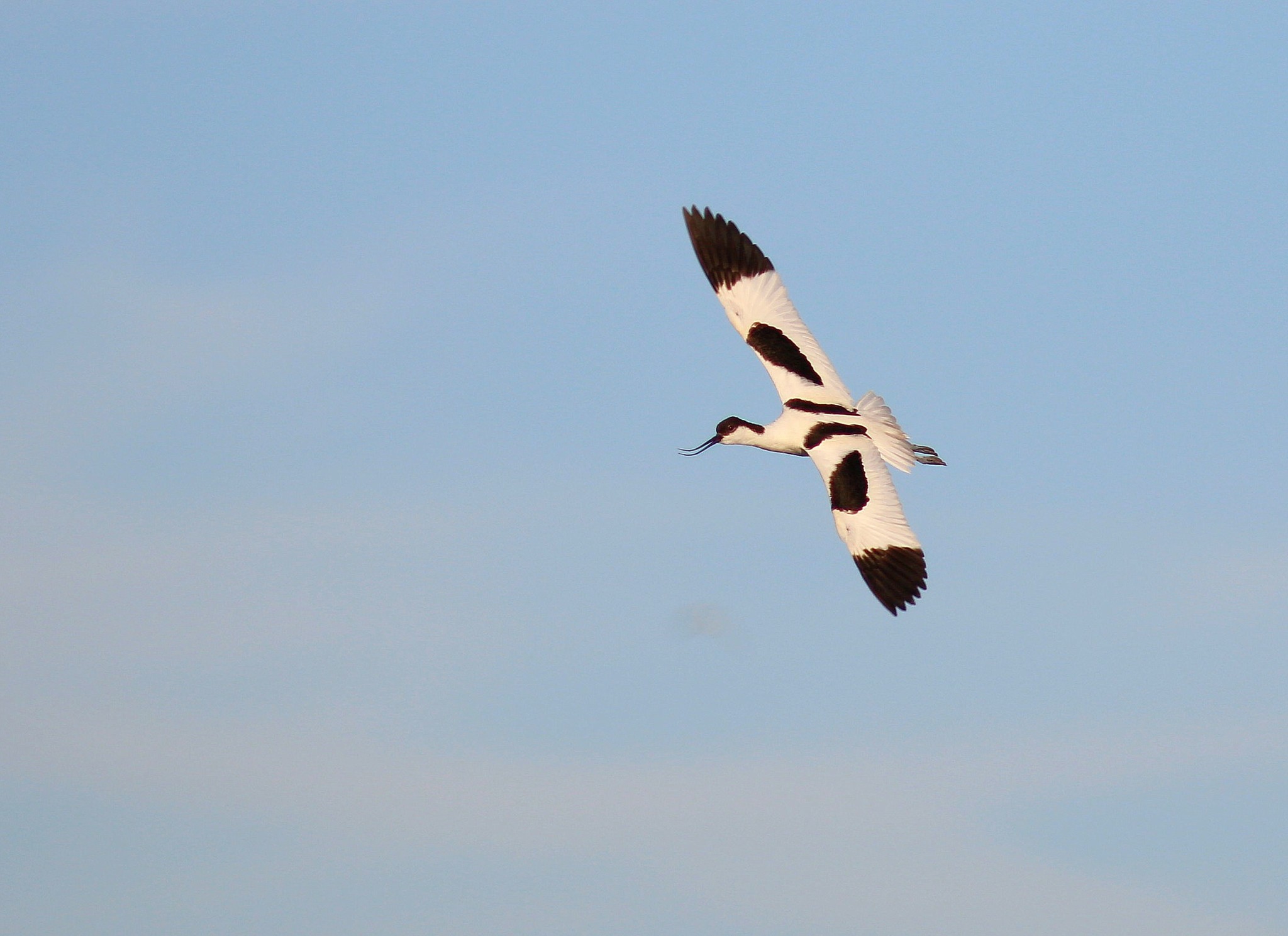
Pied Avocet (Recurvirostra avosetta) Pied Avocet
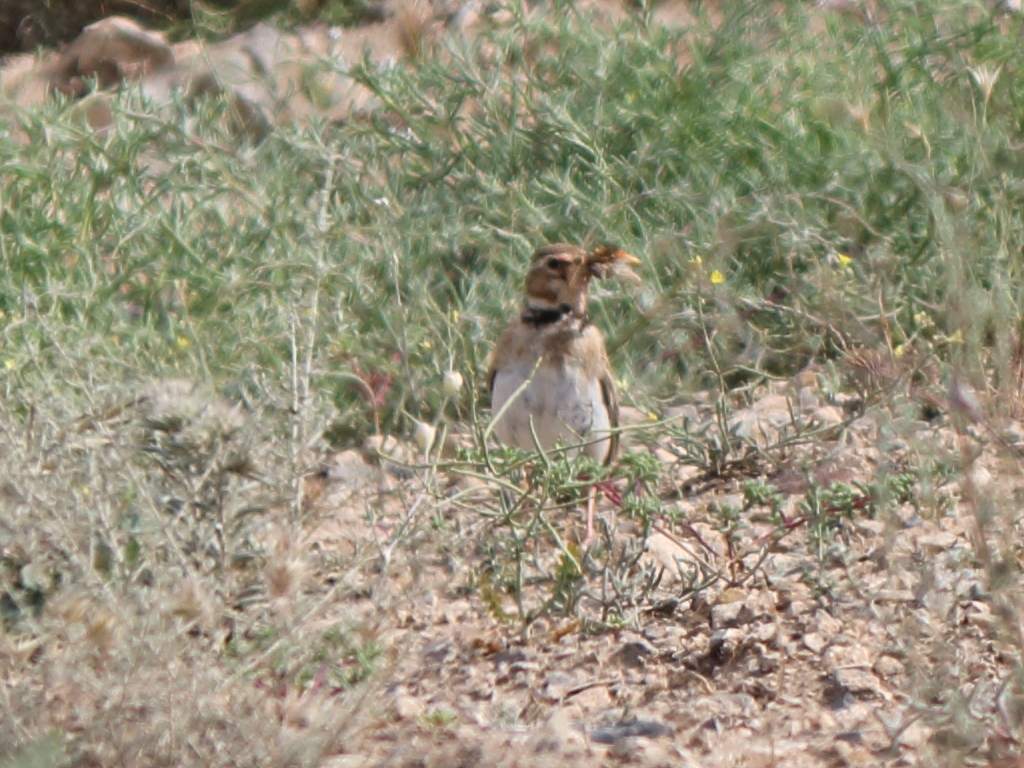
Bimaculated Lark (Melanocorypha bimaculata) Bimaculated Lark

Media

Loading…

In short

The Pied Avocet and Bimaculated Lark are easily distinguished by their vastly different shapes and habitats. The Avocet has a distinctive upturned bill and long legs, while the Lark is a more compact bird with a short, conical bill. Avocets are typically found in wetlands, whereas Bimaculated Larks prefer open, dry areas.

Identification tips

  1. Bill shape: Avocet's long, upturned bill vs. Lark's short, conical bill. 2. Leg length: Avocet's long legs vs. Lark's shorter legs. 3. Plumage: Avocet's stark black and white vs. Lark's brown and buff. 4. Habitat: Wetlands for Avocet, dry open areas for Lark. 5. Behavior: Wading and sweeping for Avocet, ground foraging and flight displays for Lark.

Size

The Pied Avocet is significantly larger, with a long neck and legs, compared to the smaller, more compact Bimaculated Lark.

Plumage

The Avocet has striking black and white plumage, while the Bimaculated Lark has more subdued brown and buff tones, with a noticeable dark patch on the side of its neck.

Behaviour

Avocets are often seen wading in shallow water, sweeping their bills side to side, while Larks are more likely to be seen foraging on the ground or performing display flights.

Habitat

Pied Avocets are found in wetlands, including estuaries and lagoons, whereas Bimaculated Larks inhabit dry, open areas such as steppes and semi-deserts.

Voice

The Avocet's calls are typically high-pitched and repetitive, while the Bimaculated Lark has a more complex and melodious song, often delivered in flight.

Submit a better description

Use the same sections as the comparison. Your text is published immediately.

The Pied Avocet and Bimaculated Lark are easily distinguished by their vastly different shapes and habitats. The Avocet has a distinctive upturned bill and long legs, while the Lark is a more compact bird with a short, conical bill. Avocets are typically found in wetlands, whereas Bimaculated Larks prefer open, dry areas.

  1. Bill shape: Avocet's long, upturned bill vs. Lark's short, conical bill. 2. Leg length: Avocet's long legs vs. Lark's shorter legs. 3. Plumage: Avocet's stark black and white vs. Lark's brown and buff. 4. Habitat: Wetlands for Avocet, dry open areas for Lark. 5. Behavior: Wading and sweeping for Avocet, ground foraging and flight displays for Lark.

The Pied Avocet is significantly larger, with a long neck and legs, compared to the smaller, more compact Bimaculated Lark.

The Avocet has striking black and white plumage, while the Bimaculated Lark has more subdued brown and buff tones, with a noticeable dark patch on the side of its neck.

Avocets are often seen wading in shallow water, sweeping their bills side to side, while Larks are more likely to be seen foraging on the ground or performing display flights.

Pied Avocets are found in wetlands, including estuaries and lagoons, whereas Bimaculated Larks inhabit dry, open areas such as steppes and semi-deserts.

The Avocet's calls are typically high-pitched and repetitive, while the Bimaculated Lark has a more complex and melodious song, often delivered in flight.

Discard your changes?

You have unsaved edits. If you leave now, those changes will be lost.

Pied Avocet · Bimaculated Lark · My Tricky Birds