
Pied Wagtail/White Wagtail vs Tawny Pipit
Motacilla alba versus Anthus campestris
Play a quiz with Pied Wagtail/White Wagtail and Tawny Pipit
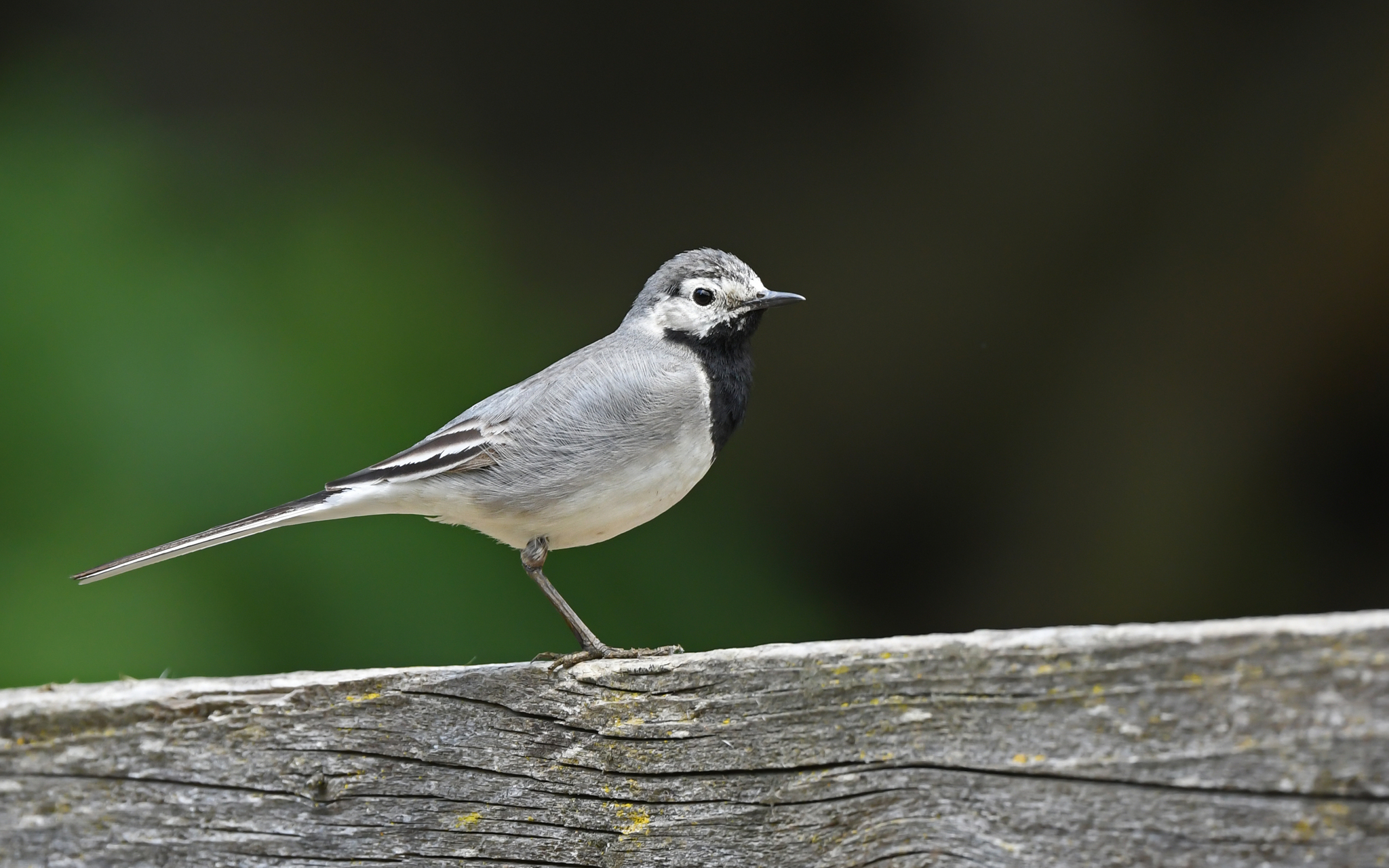 Pied Wagtail/White Wagtail
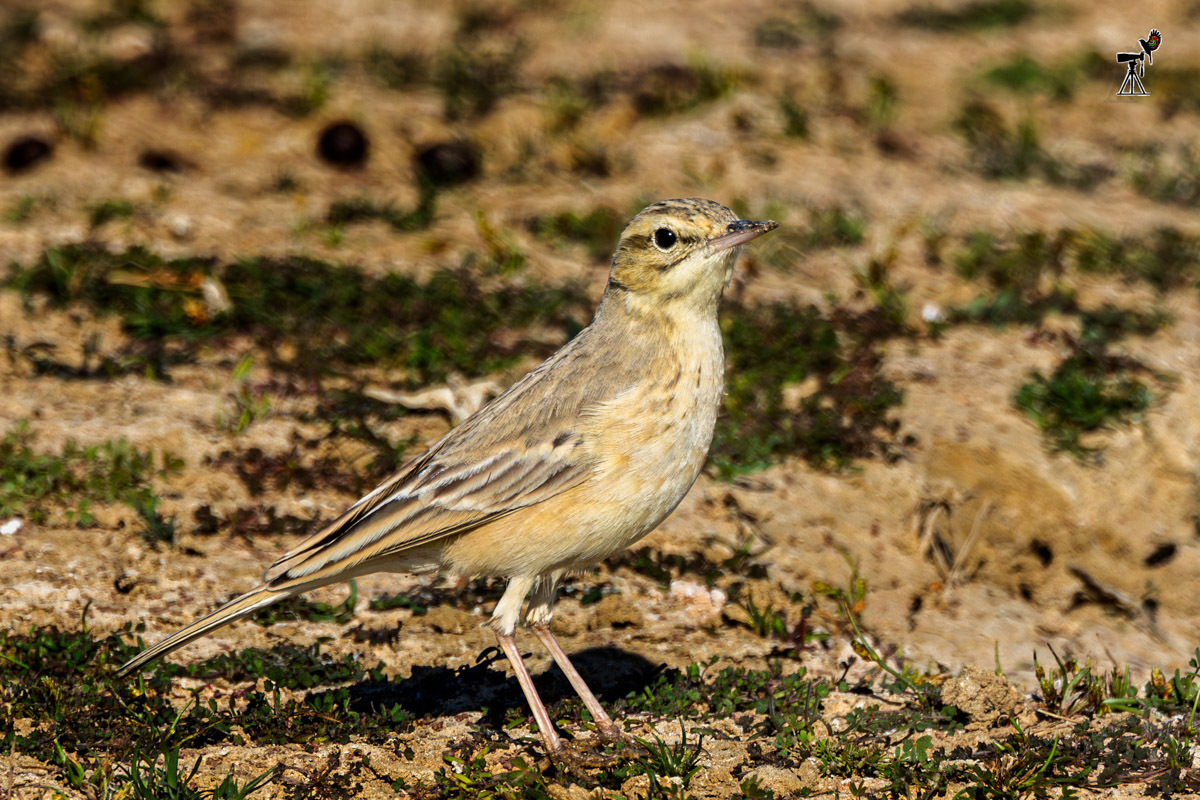 Tawny Pipit
In short
The Pied Wagtail (Motacilla alba) and Tawny Pipit (Anthus campestris) can be distinguished primarily by their structure and plumage. The Pied Wagtail has a more contrasting black and white plumage, while the Tawny Pipit is more uniformly sandy-brown. Both species are part of the Motacillidae family, but they exhibit different behaviors and habitat preferences.
Identification tips
- Plumage: Look for the contrasting black and white pattern in Pied Wagtails versus the sandy-brown of Tawny Pipits. 2. Behavior: Observe tail wagging in Pied Wagtails. 3. Habitat: Note the proximity to water for Pied Wagtails and open dry areas for Tawny Pipits. 4. Vocalization: Listen for the sharp call of the Pied Wagtail compared to the Tawny Pipit's varied song.
Size
Both species are similar in size, but the Tawny Pipit may appear slightly larger and more robust.
Plumage
The Pied Wagtail has a distinctive black and white plumage, with a black cap and white face in adults. In contrast, the Tawny Pipit is more uniformly sandy-brown with less contrast, lacking the bold black and white pattern.
Behaviour
Pied Wagtails often exhibit tail wagging behavior and are more associated with water bodies. Tawny Pipits are more terrestrial, often seen walking or running on the ground in open areas.
Habitat
Pied Wagtails are frequently found near water bodies and human settlements, while Tawny Pipits prefer dry, open habitats such as grasslands and semi-deserts.
Voice
The Pied Wagtail's call is a sharp 'chissick', while the Tawny Pipit has a more melodious and varied song, often delivered in flight.