
Pilotbird vs Chirruping Wedgebill
Pycnoptilus floccosus versus Psophodes cristatus
Play a quiz with Pilotbird and Chirruping Wedgebill
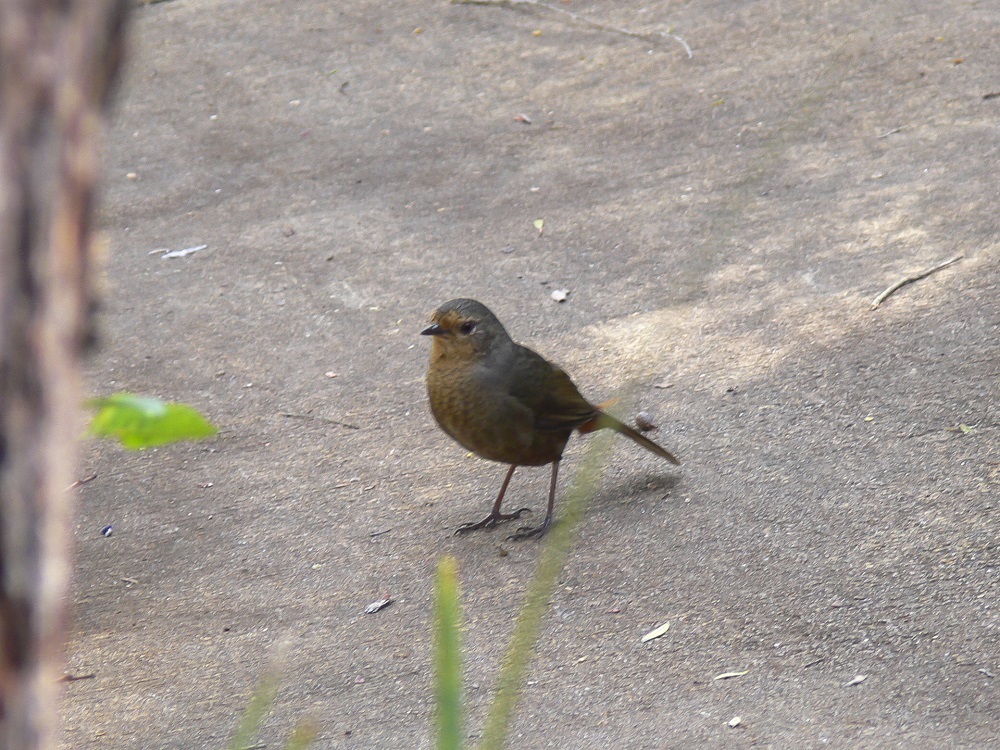 Pilotbird
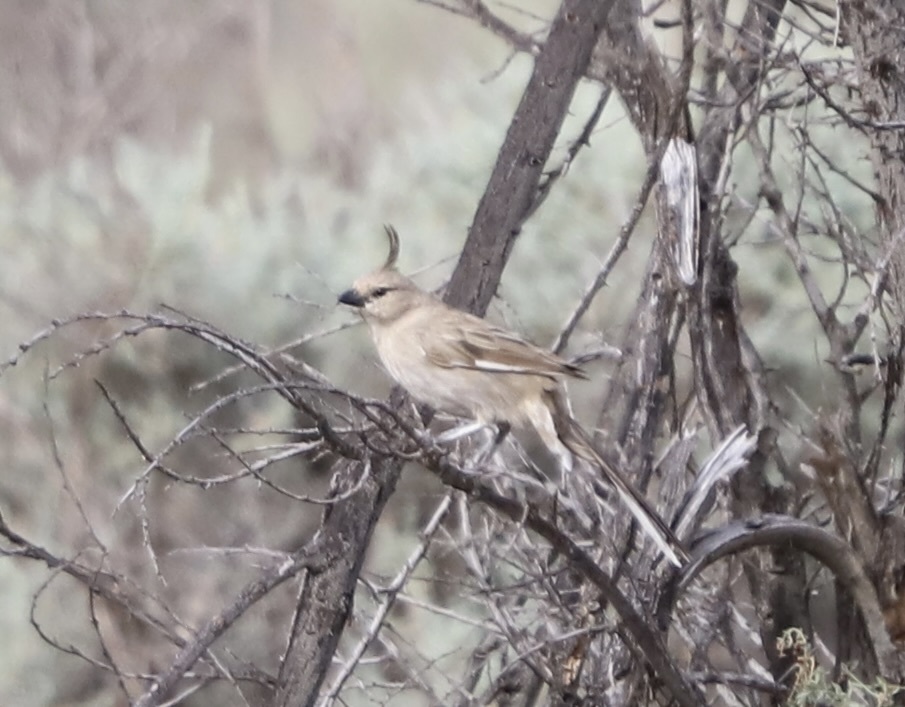 Chirruping Wedgebill
In short
The Pilotbird and Chirruping Wedgebill can be differentiated by their habitat preferences and vocalizations. While both are small, ground-dwelling birds, the Pilotbird is more commonly found in dense, wet forests, whereas the Chirruping Wedgebill prefers arid, open shrublands. Their calls are also distinct, aiding in identification.
Identification tips
- Habitat: Check the surrounding environment; dense forests suggest Pilotbird, while open shrublands suggest Chirruping Wedgebill. 2. Vocalizations: Listen for the song; a melodious series of notes indicates a Pilotbird, while a repetitive 'chirrup' points to a Chirruping Wedgebill. 3. Behavior: Note the bird's behavior; skulking in undergrowth is typical of Pilotbirds, while more open and conspicuous behavior is seen in Chirruping Wedgebills.
Size
Both species are similar in size, small and robust, with no significant size difference to aid in identification.
Plumage
The Pilotbird typically has a more uniform brown plumage, while the Chirruping Wedgebill may show more contrast with a paler belly and darker wings. However, plumage can be unreliable due to lighting and wear.
Behaviour
Pilotbirds are often seen skulking in dense undergrowth, while Chirruping Wedgebills are more likely to be observed in open areas, sometimes perched conspicuously.
Habitat
Pilotbirds inhabit dense, wet forests and are often associated with thick underbrush. In contrast, Chirruping Wedgebills are found in arid, open shrublands and dry woodlands.
Voice
The Pilotbird's call is a series of soft, melodious notes, whereas the Chirruping Wedgebill has a distinctive, repetitive 'chirruping' call, which is more mechanical and less musical.