Birdr

Plain Nightjar vs Bates's Nightjar

Caprimulgus inornatus versus Caprimulgus batesi

Play a quiz with Plain Nightjar and Bates's Nightjar
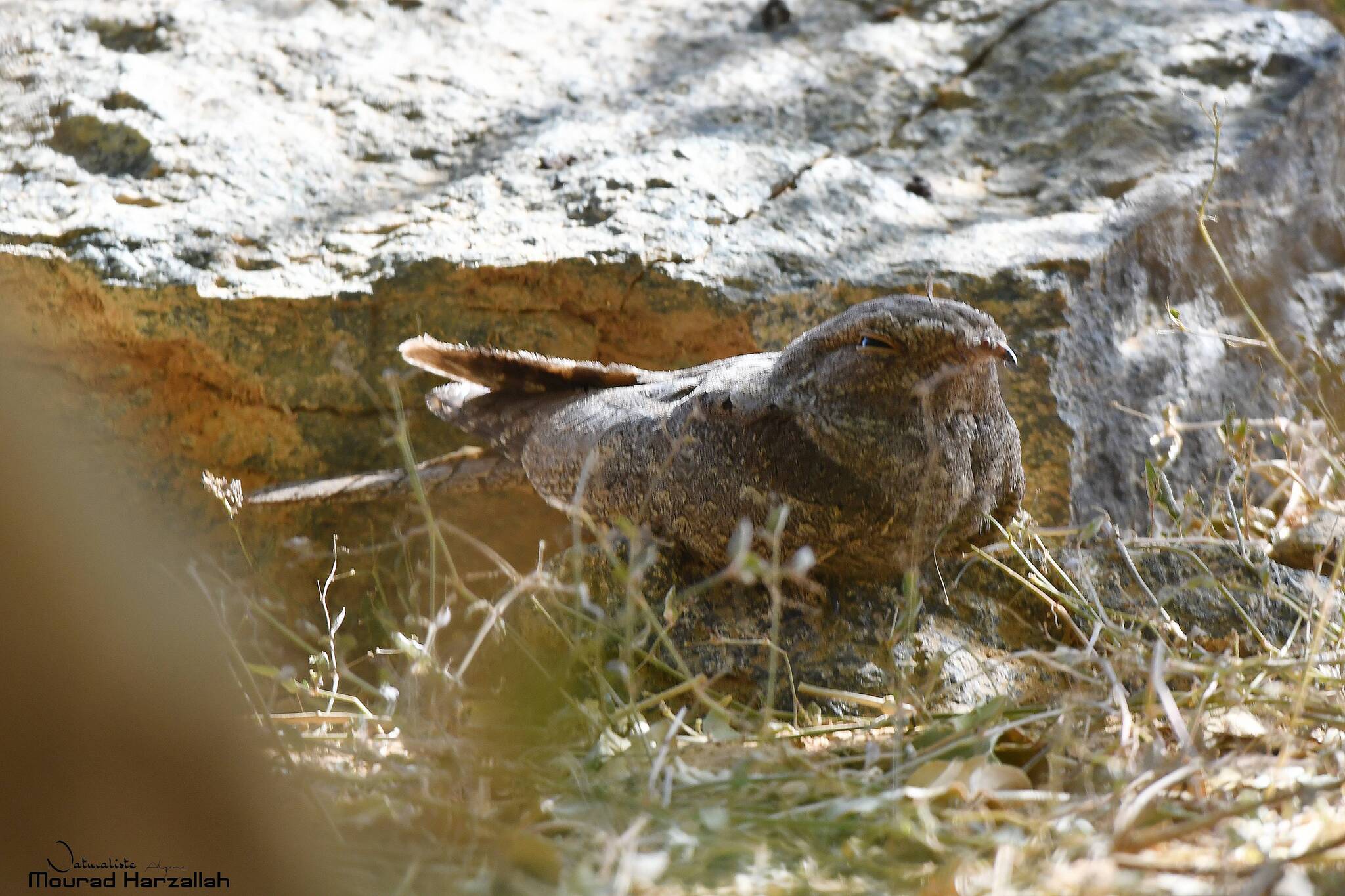
Plain Nightjar (Caprimulgus inornatus) Plain Nightjar
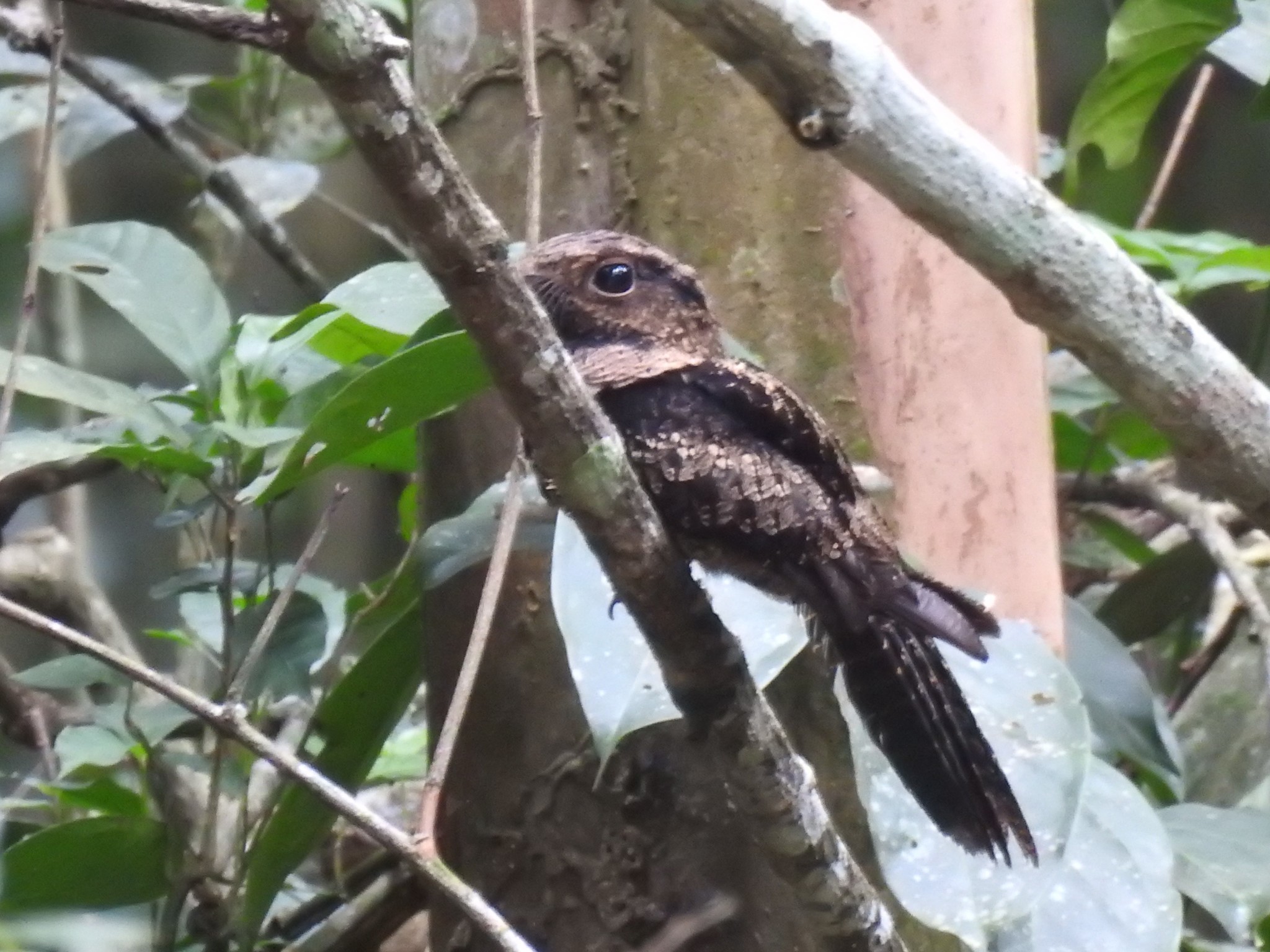
Bates's Nightjar (Caprimulgus batesi) Bates's Nightjar

Media

Loading…

In short

The Plain Nightjar and Bates's Nightjar are both cryptically colored, but the most reliable difference is their habitat preference, with Plain Nightjar favoring open areas and Bates's Nightjar more forested environments. Structural differences are subtle, but Bates's Nightjar tends to have a slightly shorter tail and wings.

Identification tips

  1. Habitat: Check the surrounding environment; open areas suggest Plain Nightjar, while dense forests suggest Bates's Nightjar. 2. Tail and Wing Length: Bates's Nightjar may have slightly shorter tail and wings. 3. Vocalization: Listen for the mechanical call of the Plain Nightjar. 4. Plumage Tone: Be cautious; plumage color is not a reliable field mark due to variability and lighting conditions.

Size

Both species are similar in size, typical of nightjars, and differences are not easily observed in the field.

Plumage

Both species have cryptic plumage with mottled browns and grays. Bates's Nightjar may appear slightly darker, but this is not a reliable field mark.

Behaviour

Both species exhibit typical nightjar behavior, being nocturnal and often seen hawking for insects at dusk or dawn.

Habitat

Plain Nightjar is more often found in open areas, savannas, and grasslands, while Bates's Nightjar prefers dense, humid forests.

Voice

Vocalizations differ, with Plain Nightjar having a more mechanical, repetitive call, whereas Bates's Nightjar's call is less well-documented but considered softer and less mechanical.

Submit a better description

Use the same sections as the comparison. Your text is published immediately.

The Plain Nightjar and Bates's Nightjar are both cryptically colored, but the most reliable difference is their habitat preference, with Plain Nightjar favoring open areas and Bates's Nightjar more forested environments. Structural differences are subtle, but Bates's Nightjar tends to have a slightly shorter tail and wings.

  1. Habitat: Check the surrounding environment; open areas suggest Plain Nightjar, while dense forests suggest Bates's Nightjar. 2. Tail and Wing Length: Bates's Nightjar may have slightly shorter tail and wings. 3. Vocalization: Listen for the mechanical call of the Plain Nightjar. 4. Plumage Tone: Be cautious; plumage color is not a reliable field mark due to variability and lighting conditions.

Both species are similar in size, typical of nightjars, and differences are not easily observed in the field.

Both species have cryptic plumage with mottled browns and grays. Bates's Nightjar may appear slightly darker, but this is not a reliable field mark.

Both species exhibit typical nightjar behavior, being nocturnal and often seen hawking for insects at dusk or dawn.

Plain Nightjar is more often found in open areas, savannas, and grasslands, while Bates's Nightjar prefers dense, humid forests.

Vocalizations differ, with Plain Nightjar having a more mechanical, repetitive call, whereas Bates's Nightjar's call is less well-documented but considered softer and less mechanical.

Discard your changes?

You have unsaved edits. If you leave now, those changes will be lost.

Plain Nightjar · Bates's Nightjar · My Tricky Birds