
Plumed Whistling-Duck vs Common Greenshank
Dendrocygna eytoni versus Tringa nebularia
Play a quiz with Plumed Whistling-Duck and Common Greenshank
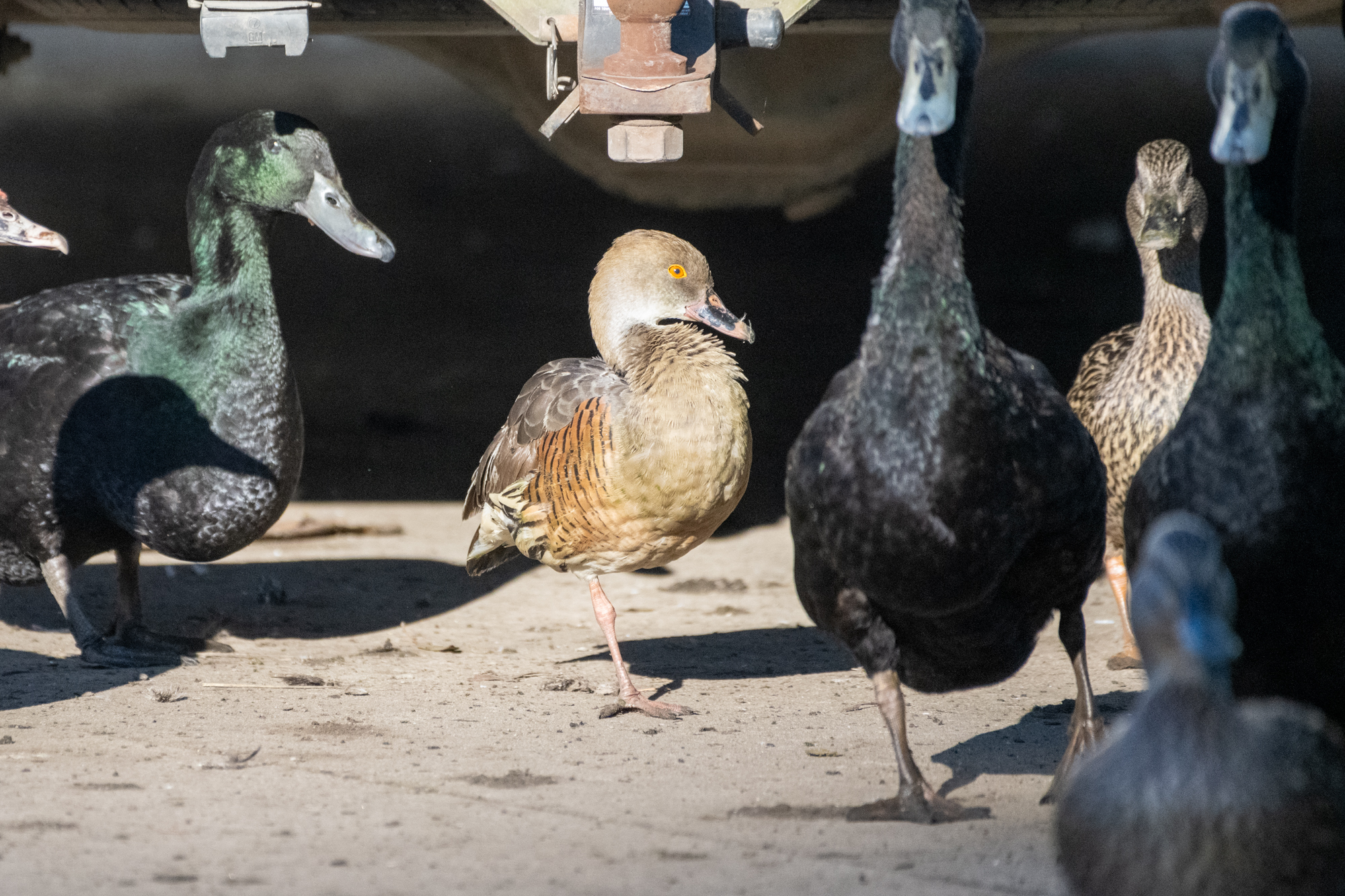 Plumed Whistling-Duck
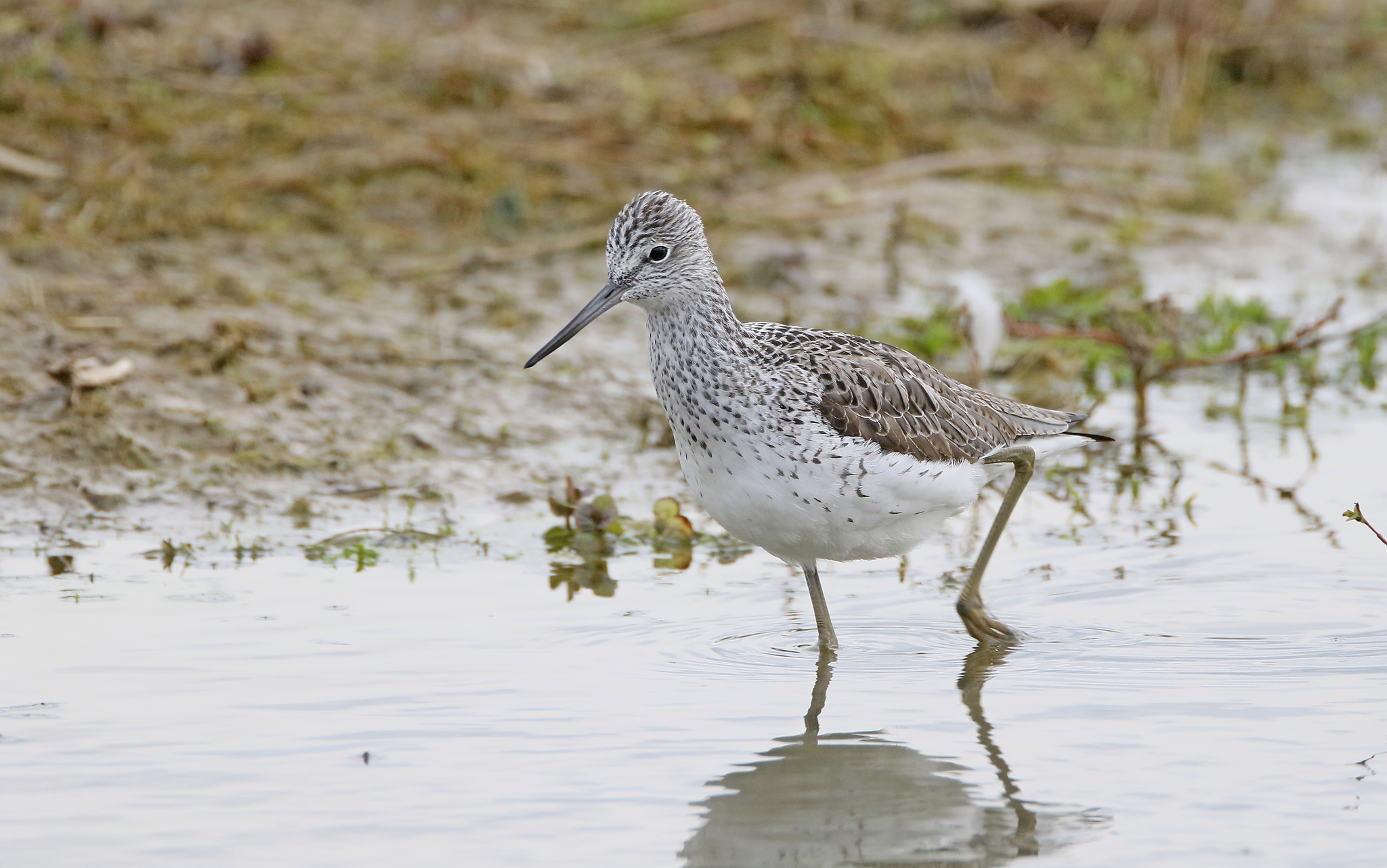 Common Greenshank
In short
The Plumed Whistling-Duck and the Common Greenshank are easily distinguished by their size, shape, and habitat preferences. The Plumed Whistling-Duck is a waterfowl with a distinctive plumed appearance, while the Common Greenshank is a wader with a slender build and long legs.
Identification tips
1. Location and Habitat: Check the habitat; Plumed Whistling-Ducks are in freshwater wetlands, while Common Greenshanks are in coastal or inland wetlands. 2. Size and Shape: Look for the larger, more robust body of the Plumed Whistling-Duck compared to the slender, long-legged Common Greenshank. 3. Plumage Details: Note the plumes on the flanks of the Plumed Whistling-Duck, absent in the Common Greenshank. 4. Behavior: Observe flocking behavior in Plumed Whistling-Ducks versus the more solitary nature of Common Greenshanks.
Size
The Plumed Whistling-Duck is larger and more robust, whereas the Common Greenshank is smaller and more slender.
Plumage
The Plumed Whistling-Duck has a striking appearance with long, thin plumes on its flanks and a warm brown body. The Common Greenshank is more subdued, with a greyish-brown back and white underparts, lacking any plumes.
Behaviour
Plumed Whistling-Ducks are often seen in flocks near water bodies, while Common Greenshanks are typically solitary or in small groups, foraging in shallow waters.
Habitat
Plumed Whistling-Ducks prefer freshwater wetlands and grasslands, whereas Common Greenshanks are found in coastal mudflats, estuaries, and inland wetlands.
Voice
The Plumed Whistling-Duck is known for its whistling calls, while the Common Greenshank has a distinctive, ringing 'tew-tew-tew' call.