Birdr

Red-backed Shrike vs Masked Shrike

Lanius collurio versus Lanius nubicus

Play a quiz with Red-backed Shrike and Masked Shrike
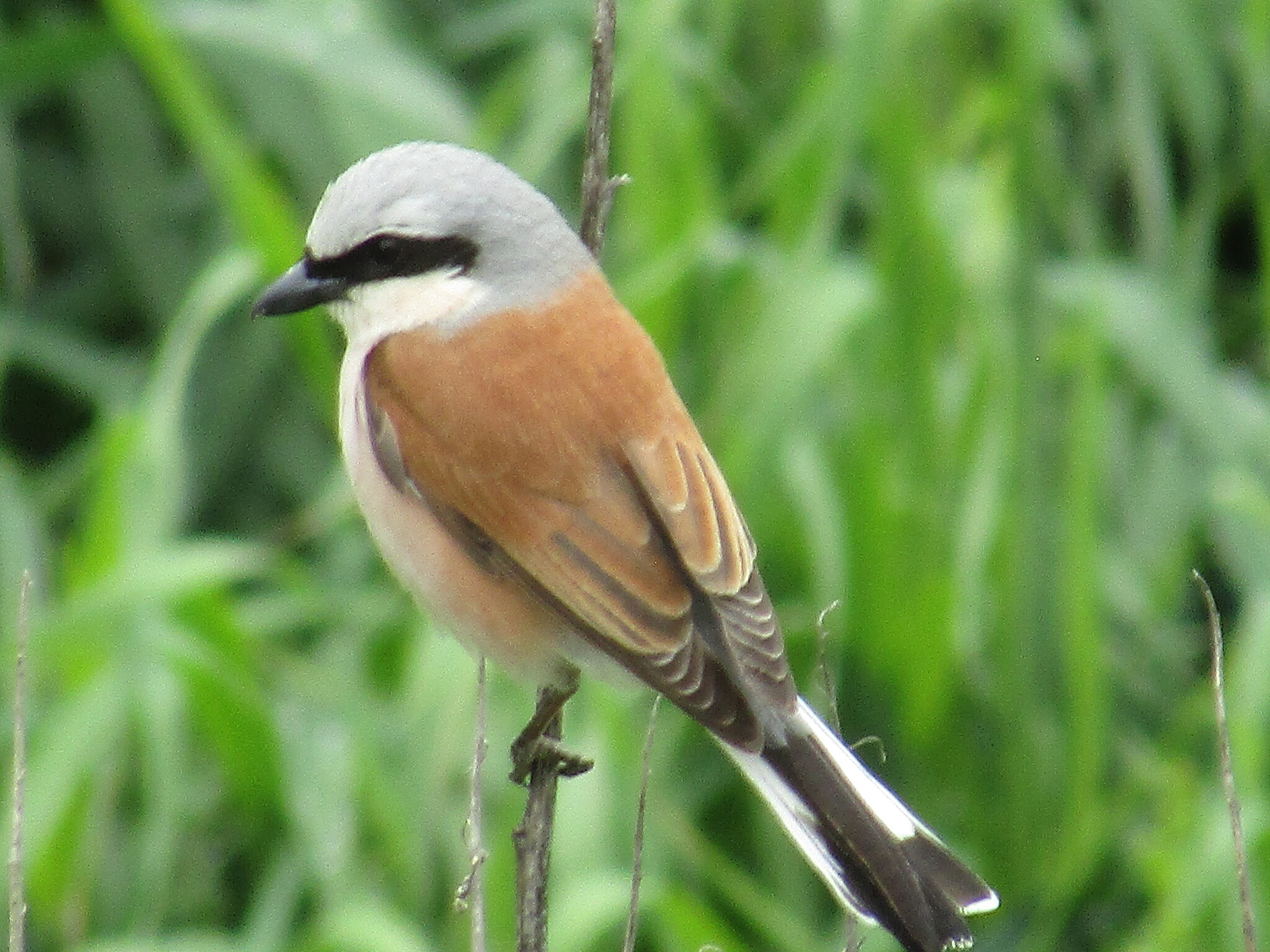
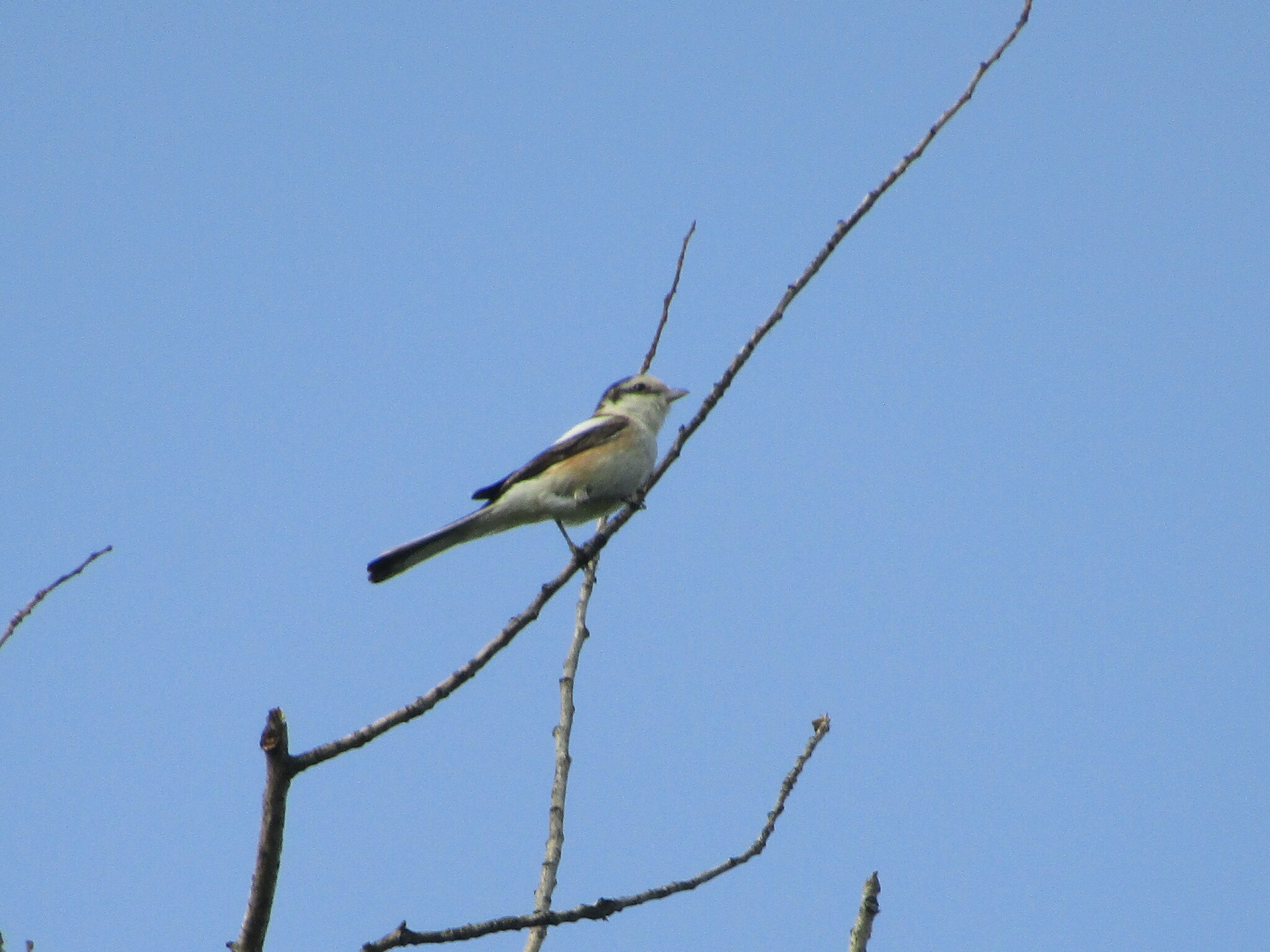
Red-backed Shrike (Lanius collurio) Red-backed Shrike
Masked Shrike (Lanius nubicus) Masked Shrike

Media

Loading…

In short

The Red-backed Shrike and Masked Shrike can be distinguished primarily by their plumage: the Red-backed Shrike has a distinctive chestnut-red back, while the Masked Shrike features a striking black mask and white underparts. Both species share similar sizes and general shrike structure, but their coloration and habitat preferences offer reliable identification cues.

Identification tips

  1. Look for the chestnut-red back of the Red-backed Shrike versus the black and white pattern and distinct black mask of the Masked Shrike. 2. Consider habitat: Red-backed Shrikes are more likely in open fields with bushes, while Masked Shrikes favor open woodlands. 3. Listen for song differences: Masked Shrikes have a more melodic song.

Size

Both species are similar in size, typical of shrikes, with no significant size difference to aid identification.

Plumage

The Red-backed Shrike has a chestnut-red back, grey head, and a black mask through the eye. In contrast, the Masked Shrike displays a bold black mask extending to the nape, white underparts, and a more contrasting black and white pattern on the wings and tail.

Behaviour

Both species exhibit typical shrike behavior, such as perching conspicuously and impaling prey, but these behaviors are not distinctive between the two.

Habitat

Red-backed Shrikes prefer open habitats with scattered bushes across Europe and western Asia, while Masked Shrikes are more often found in open woodlands and scrubby areas in southeastern Europe and the Middle East.

Voice

Vocalizations are not the most reliable for field identification between these two, but the Masked Shrike's song is generally more melodic and varied compared to the harsher calls of the Red-backed Shrike.

Submit a better description

Use the same sections as the comparison. Your text is published immediately.

The Red-backed Shrike and Masked Shrike can be distinguished primarily by their plumage: the Red-backed Shrike has a distinctive chestnut-red back, while the Masked Shrike features a striking black mask and white underparts. Both species share similar sizes and general shrike structure, but their coloration and habitat preferences offer reliable identification cues.

  1. Look for the chestnut-red back of the Red-backed Shrike versus the black and white pattern and distinct black mask of the Masked Shrike. 2. Consider habitat: Red-backed Shrikes are more likely in open fields with bushes, while Masked Shrikes favor open woodlands. 3. Listen for song differences: Masked Shrikes have a more melodic song.

Both species are similar in size, typical of shrikes, with no significant size difference to aid identification.

The Red-backed Shrike has a chestnut-red back, grey head, and a black mask through the eye. In contrast, the Masked Shrike displays a bold black mask extending to the nape, white underparts, and a more contrasting black and white pattern on the wings and tail.

Both species exhibit typical shrike behavior, such as perching conspicuously and impaling prey, but these behaviors are not distinctive between the two.

Red-backed Shrikes prefer open habitats with scattered bushes across Europe and western Asia, while Masked Shrikes are more often found in open woodlands and scrubby areas in southeastern Europe and the Middle East.

Vocalizations are not the most reliable for field identification between these two, but the Masked Shrike's song is generally more melodic and varied compared to the harsher calls of the Red-backed Shrike.

Discard your changes?

You have unsaved edits. If you leave now, those changes will be lost.

Red-backed Shrike · Masked Shrike · My Tricky Birds