Birdr

Red-breasted Merganser vs Grey Partridge

Mergus serrator versus Perdix perdix

Play a quiz with Red-breasted Merganser and Grey Partridge
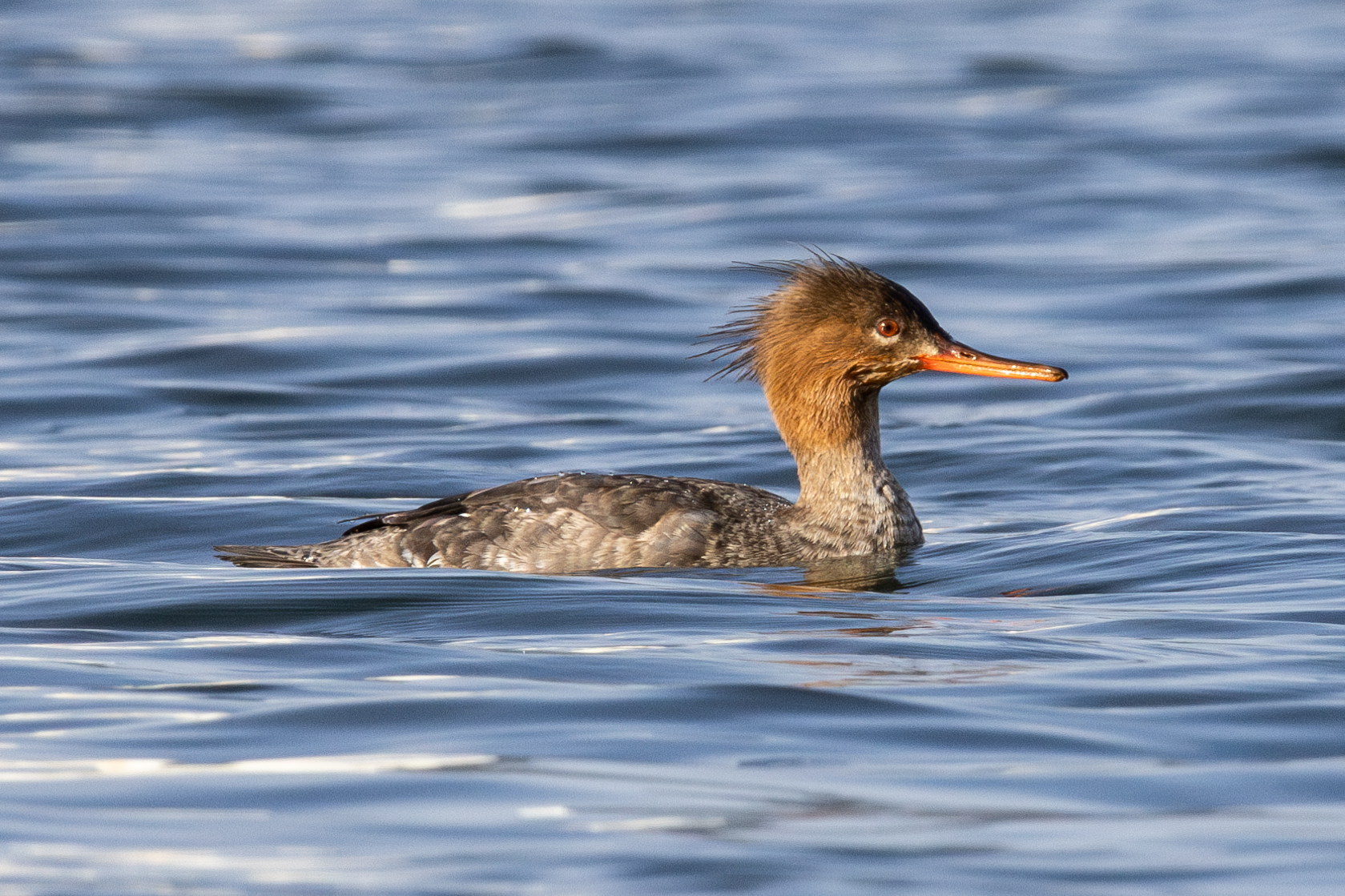
Red-breasted Merganser (Mergus serrator) Red-breasted Merganser
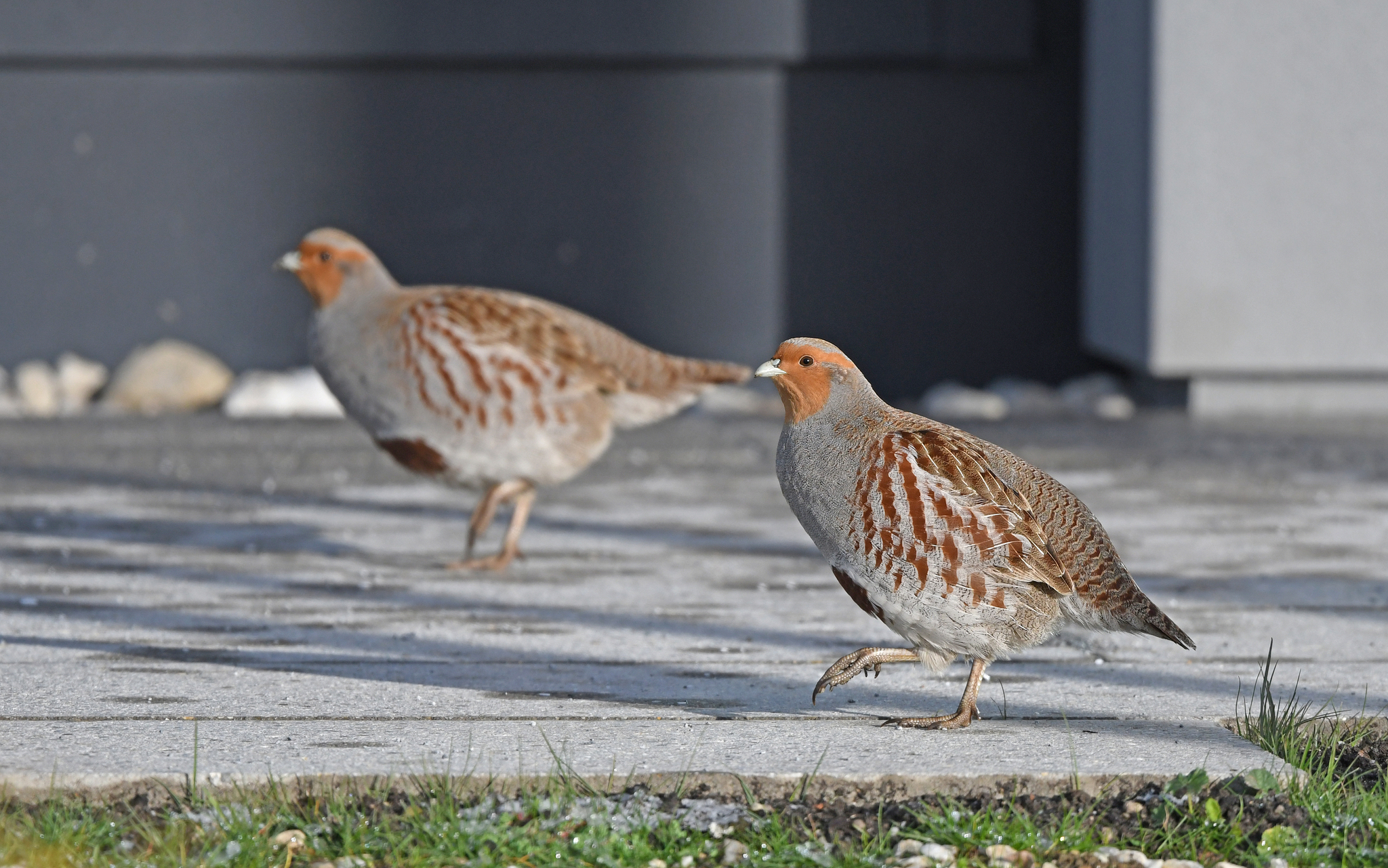
Grey Partridge (Perdix perdix) Grey Partridge

Media

Loading…

In short

The Red-breasted Merganser is a diving duck found in northern aquatic environments, while the Grey Partridge is a terrestrial bird of open fields and farmlands. These species are easily distinguished by their habitat preferences and overall appearance, with the merganser adapted for water and the partridge for land.

Identification tips

  1. Habitat: Look for Red-breasted Mergansers in water, especially in northern coastal areas; Grey Partridges are found in open fields. 2. Shape and Size: Note the elongated body and crest of the merganser versus the compact, rounded shape of the partridge. 3. Plumage: Identify the merganser by its red breast and shaggy crest, and the partridge by its grey-brown plumage and orange face.

Size

The Red-breasted Merganser is larger and more elongated, typical of diving ducks, whereas the Grey Partridge is more compact and rounded, as is common among game birds.

Plumage

Red-breasted Mergansers have a distinctive shaggy crest and a striking red breast, especially in males, while Grey Partridges have a more uniform grey-brown plumage with a distinctive orange face and throat.

Behaviour

Red-breasted Mergansers are often seen diving for fish in water bodies, whereas Grey Partridges are ground-dwellers, foraging for seeds and insects.

Habitat

Red-breasted Mergansers inhabit coastal bays, rivers, and large lakes in northern regions, while Grey Partridges are found in agricultural fields and grasslands across Europe and Asia.

Voice

Vocalizations are not a primary distinguishing feature between these species, as they belong to different ecological niches and families.

Submit a better description

Use the same sections as the comparison. Your text is published immediately.

The Red-breasted Merganser is a diving duck found in northern aquatic environments, while the Grey Partridge is a terrestrial bird of open fields and farmlands. These species are easily distinguished by their habitat preferences and overall appearance, with the merganser adapted for water and the partridge for land.

  1. Habitat: Look for Red-breasted Mergansers in water, especially in northern coastal areas; Grey Partridges are found in open fields. 2. Shape and Size: Note the elongated body and crest of the merganser versus the compact, rounded shape of the partridge. 3. Plumage: Identify the merganser by its red breast and shaggy crest, and the partridge by its grey-brown plumage and orange face.

The Red-breasted Merganser is larger and more elongated, typical of diving ducks, whereas the Grey Partridge is more compact and rounded, as is common among game birds.

Red-breasted Mergansers have a distinctive shaggy crest and a striking red breast, especially in males, while Grey Partridges have a more uniform grey-brown plumage with a distinctive orange face and throat.

Red-breasted Mergansers are often seen diving for fish in water bodies, whereas Grey Partridges are ground-dwellers, foraging for seeds and insects.

Red-breasted Mergansers inhabit coastal bays, rivers, and large lakes in northern regions, while Grey Partridges are found in agricultural fields and grasslands across Europe and Asia.

Vocalizations are not a primary distinguishing feature between these species, as they belong to different ecological niches and families.

Discard your changes?

You have unsaved edits. If you leave now, those changes will be lost.

Red-breasted Merganser · Grey Partridge · My Tricky Birds