
Red-breasted Sapsucker vs Vermilion Flycatcher
Sphyrapicus ruber versus Pyrocephalus rubinus
Play a quiz with Red-breasted Sapsucker and Vermilion Flycatcher
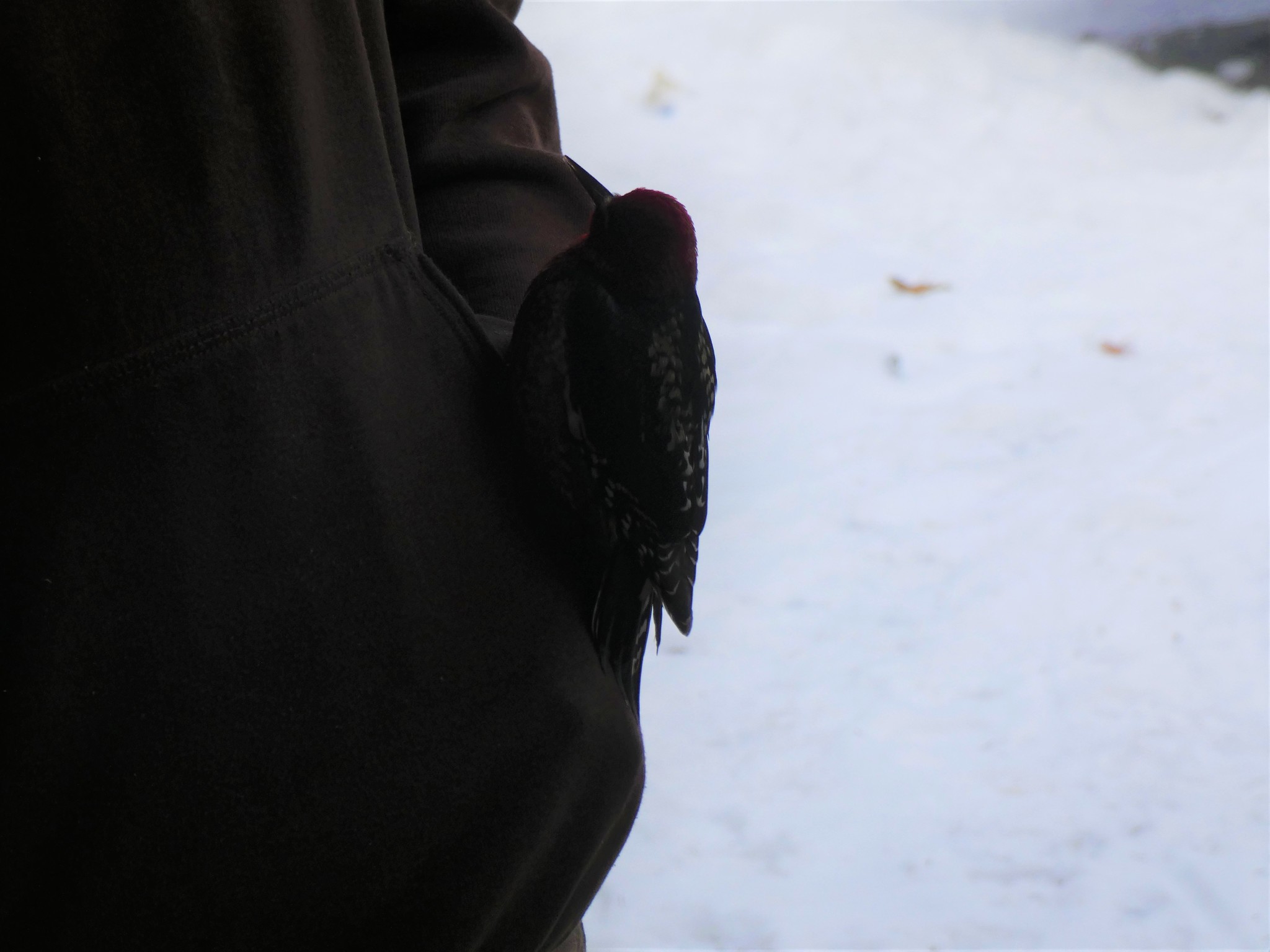 Red-breasted Sapsucker
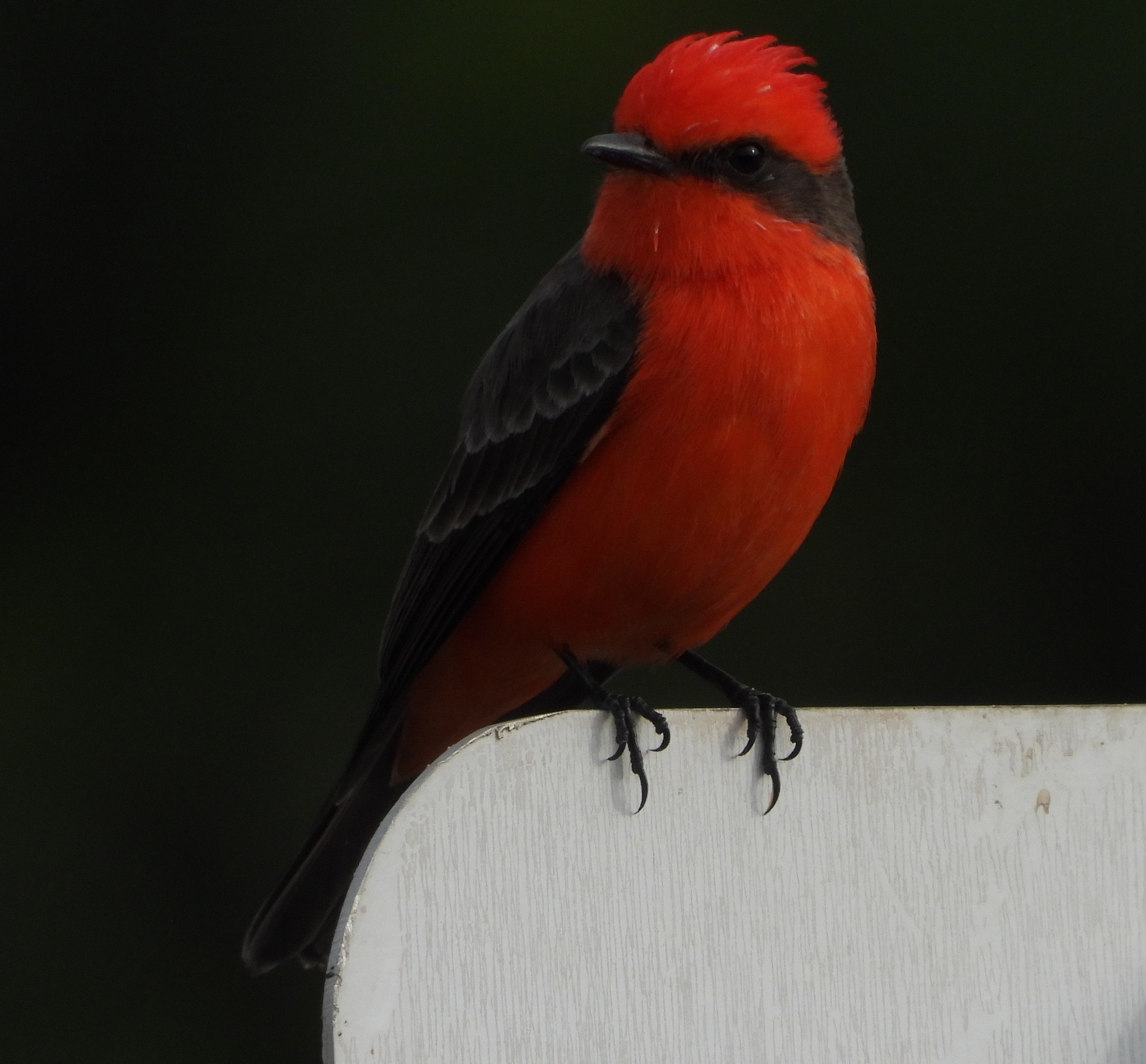 Vermilion Flycatcher
In short
The Red-breasted Sapsucker and Vermilion Flycatcher are distinct in both appearance and behavior. The sapsucker is a woodpecker with a red head and breast, while the flycatcher is a small passerine with vibrant red plumage in males. Their habitats and behaviors also differ significantly, aiding in identification.
Identification tips
- Observe the habitat: Sapsuckers are in forests; flycatchers in open areas.
- Look at the behavior: Sapsuckers cling to trunks, flycatchers perch openly.
- Check plumage: Red head and breast for sapsuckers; bright red body for male flycatchers.
- Listen for sounds: Drumming for sapsuckers, flight song for flycatchers.
Size
The Red-breasted Sapsucker is larger and more robust, typical of woodpeckers, while the Vermilion Flycatcher is smaller and more delicate.
Plumage
The Red-breasted Sapsucker has a red head and breast with a black and white back, whereas the male Vermilion Flycatcher is bright red with dark wings and tail. Female Vermilion Flycatchers are more subdued in color, with grayish tones and a hint of red on the belly.
Behaviour
Red-breasted Sapsuckers are often seen clinging to tree trunks, drilling sap wells. Vermilion Flycatchers are more likely to be observed perching conspicuously on branches, sallying out to catch insects.
Habitat
Red-breasted Sapsuckers are found in forests, particularly coniferous ones, while Vermilion Flycatchers prefer open parklands and desert riparian areas.
Voice
The Red-breasted Sapsucker has a drumming behavior typical of woodpeckers, while the Vermilion Flycatcher is known for its flight song display during the breeding season.
Red-breasted Sapsucker · Vermilion Flycatcher · My Tricky Birds