Birdr

Red-capped Lark vs Pale-crowned Cisticola

Calandrella cinerea versus Cisticola cinnamomeus

Play a quiz with Red-capped Lark and Pale-crowned Cisticola
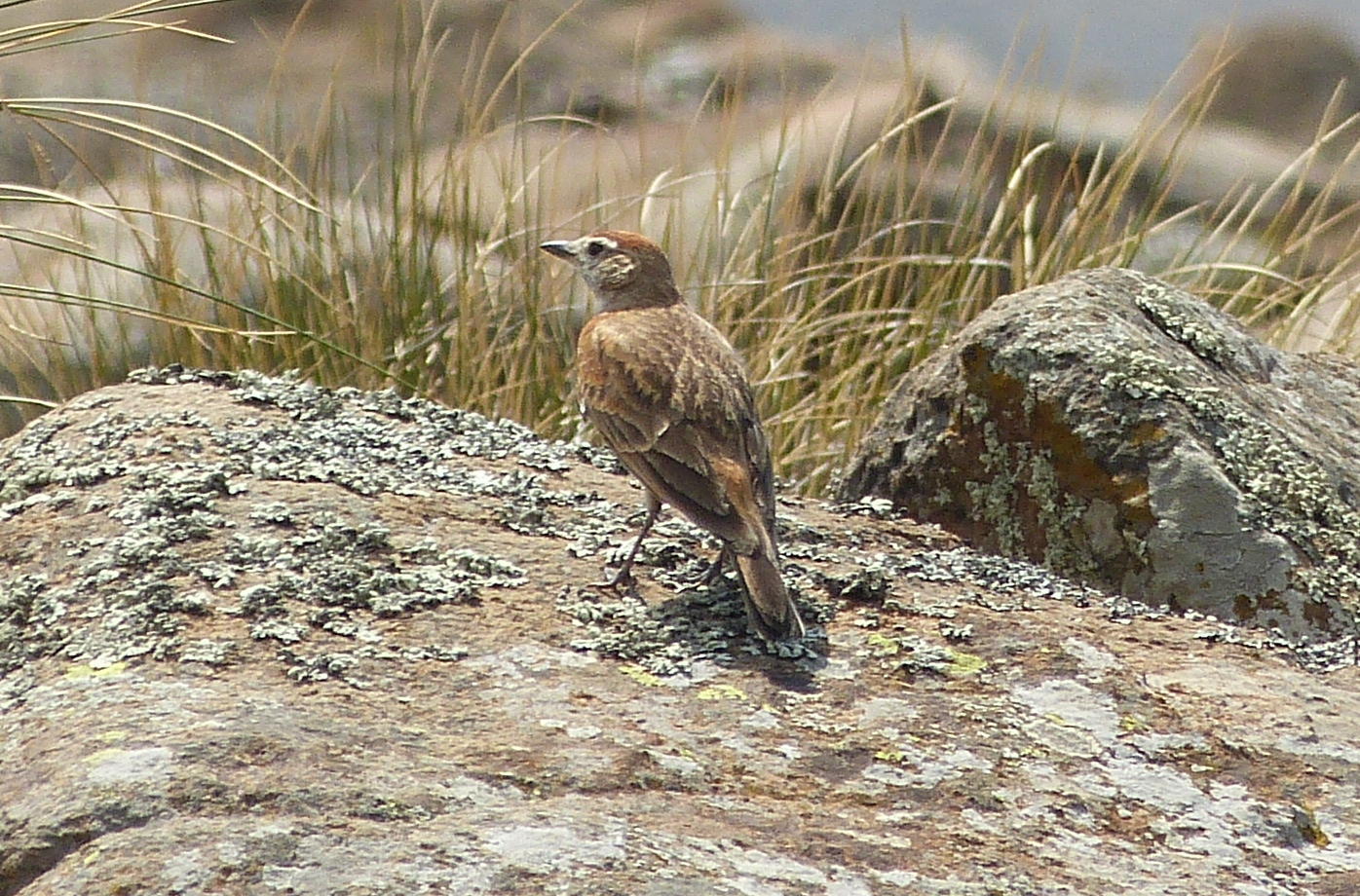
Red-capped Lark (Calandrella cinerea) Red-capped Lark
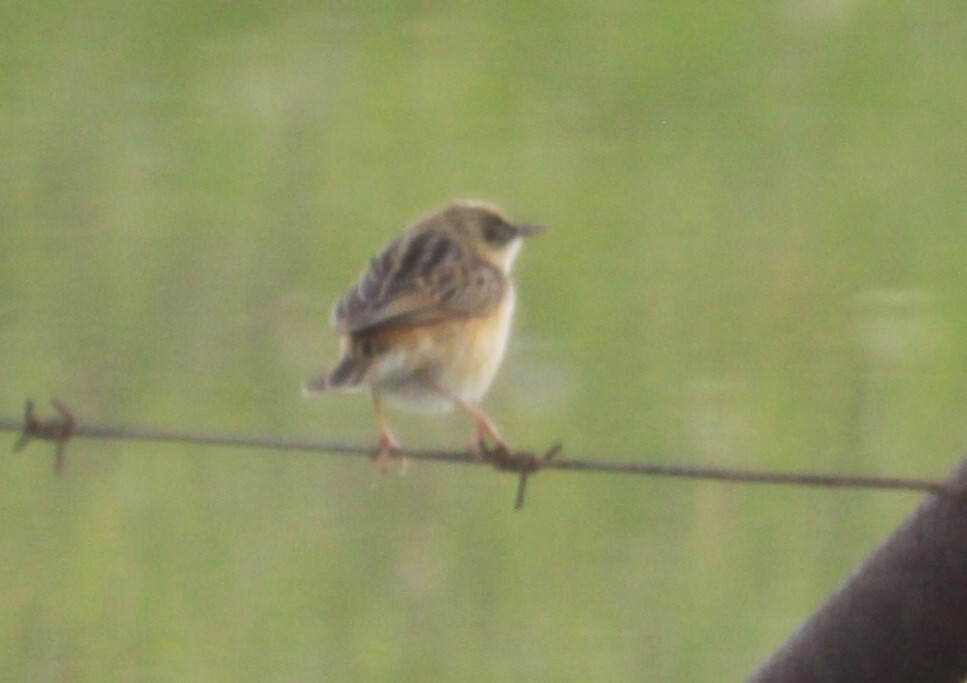
Pale-crowned Cisticola (Cisticola cinnamomeus) Pale-crowned Cisticola

Media

Loading…

In short

The Red-capped Lark and Pale-crowned Cisticola are distinct in both appearance and behavior. The lark is a ground-dwelling bird with a distinctive red cap, while the cisticola is more often seen flitting through grasses with a pale crown. Both species occupy open habitats but have different preferences and behaviors.

Identification tips

  1. Look for the red cap on the Red-capped Lark; the Pale-crowned Cisticola has a pale crown. 2. Observe behavior: larks are ground-dwellers, while cisticolas are more active in grasses. 3. Consider habitat: larks prefer open, bare ground; cisticolas prefer grassy areas with shrubs. 4. Listen for song differences if visible cues are unclear.

Size

The Red-capped Lark is generally larger and more robust than the Pale-crowned Cisticola.

Plumage

The Red-capped Lark has a distinctive red cap and a more uniform brown body. In contrast, the Pale-crowned Cisticola features a pale crown with a more streaked and varied plumage pattern.

Behaviour

Red-capped Larks are often seen walking or running on the ground, while Pale-crowned Cisticolas are more likely to be seen flitting through grasses and shrubs.

Habitat

Both species prefer open habitats, but the Red-capped Lark is more commonly found in open grasslands and bare ground, whereas the Pale-crowned Cisticola is typically found in grassy areas with some shrub cover.

Voice

The vocalizations of these species differ, with the Red-capped Lark having a more melodious song, while the Pale-crowned Cisticola's song is typically a series of high-pitched notes. Specific details on calls are not well-documented here.

Submit a better description

Use the same sections as the comparison. Your text is published immediately.

The Red-capped Lark and Pale-crowned Cisticola are distinct in both appearance and behavior. The lark is a ground-dwelling bird with a distinctive red cap, while the cisticola is more often seen flitting through grasses with a pale crown. Both species occupy open habitats but have different preferences and behaviors.

  1. Look for the red cap on the Red-capped Lark; the Pale-crowned Cisticola has a pale crown. 2. Observe behavior: larks are ground-dwellers, while cisticolas are more active in grasses. 3. Consider habitat: larks prefer open, bare ground; cisticolas prefer grassy areas with shrubs. 4. Listen for song differences if visible cues are unclear.

The Red-capped Lark is generally larger and more robust than the Pale-crowned Cisticola.

The Red-capped Lark has a distinctive red cap and a more uniform brown body. In contrast, the Pale-crowned Cisticola features a pale crown with a more streaked and varied plumage pattern.

Red-capped Larks are often seen walking or running on the ground, while Pale-crowned Cisticolas are more likely to be seen flitting through grasses and shrubs.

Both species prefer open habitats, but the Red-capped Lark is more commonly found in open grasslands and bare ground, whereas the Pale-crowned Cisticola is typically found in grassy areas with some shrub cover.

The vocalizations of these species differ, with the Red-capped Lark having a more melodious song, while the Pale-crowned Cisticola's song is typically a series of high-pitched notes. Specific details on calls are not well-documented here.

Discard your changes?

You have unsaved edits. If you leave now, those changes will be lost.

Red-capped Lark · Pale-crowned Cisticola · My Tricky Birds