
Red-flanked Bluetail vs Collared Flycatcher
Tarsiger cyanurus versus Ficedula albicollis
Play a quiz with Red-flanked Bluetail and Collared Flycatcher
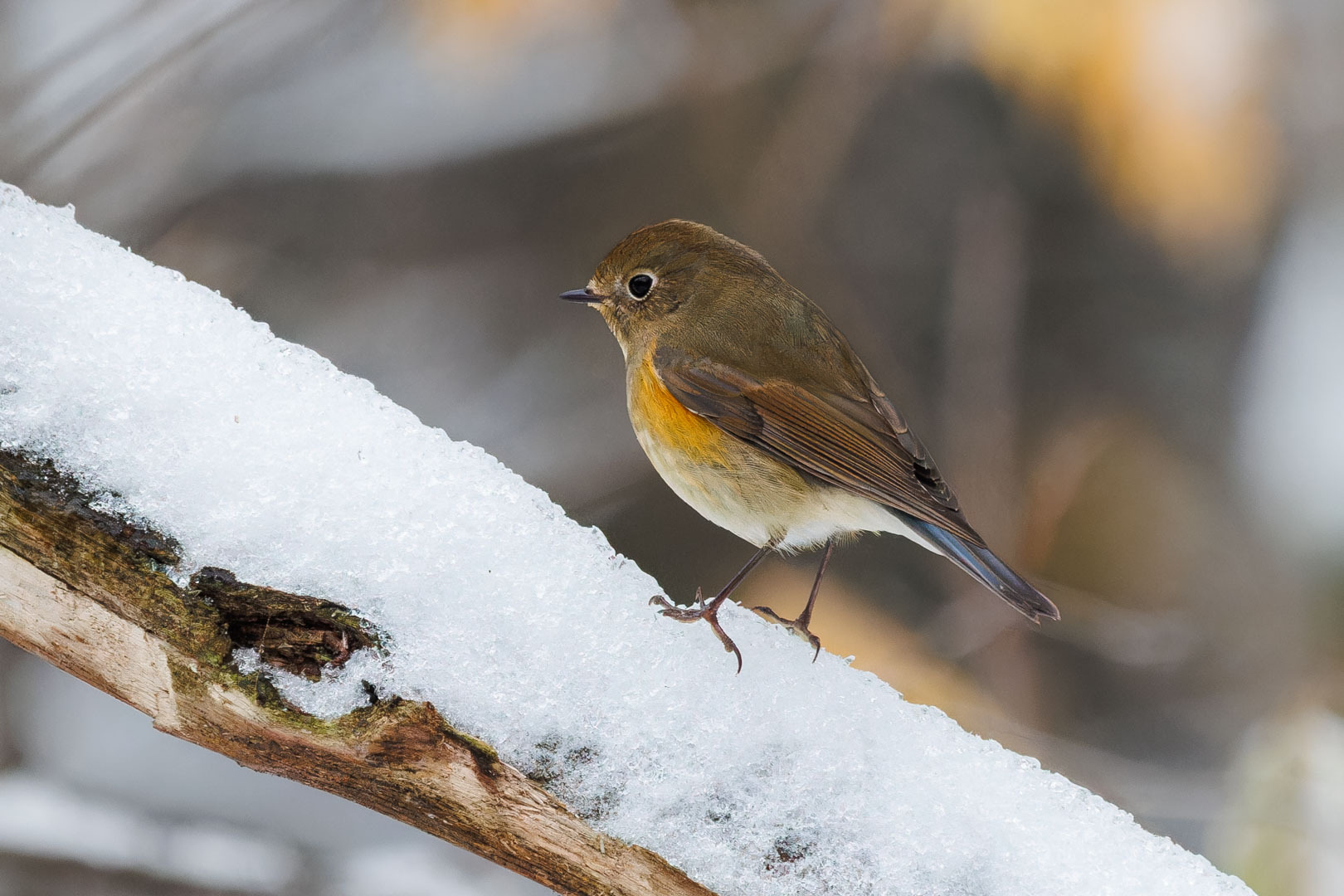 Red-flanked Bluetail
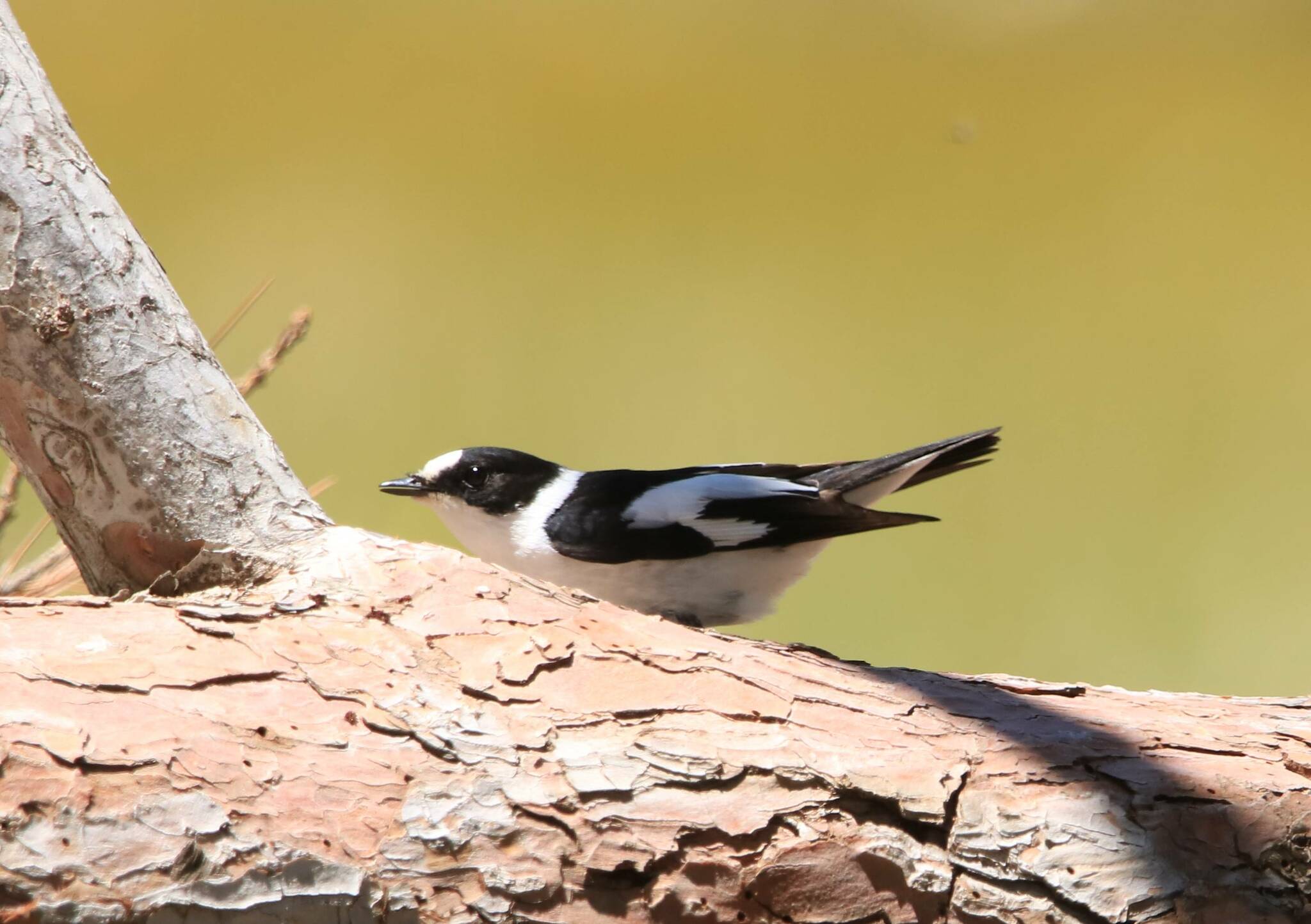 Collared Flycatcher
In short
The Red-flanked Bluetail and Collared Flycatcher are both small, insectivorous Old World flycatchers, but they differ significantly in plumage and habitat preferences. The Red-flanked Bluetail is notable for its striking blue and orange coloration, while the Collared Flycatcher is predominantly black and white with a distinctive white collar.
Identification tips
- Plumage: Look for the Red-flanked Bluetail's blue upperparts and orange flanks versus the Collared Flycatcher's black and white plumage with a white collar. 2. Habitat: Consider the habitat; Bluetails prefer dense forests, while Collared Flycatchers are in more open woodlands. 3. Vocalizations: Listen for the Bluetail's soft whistles compared to the Collared Flycatcher's more complex song.
Size
Both species are similar in size, typical of small flycatchers, but the Collared Flycatcher may appear slightly bulkier.
Plumage
The Red-flanked Bluetail features a blue upper body with orange flanks and a white belly, whereas the Collared Flycatcher is black and white, with males displaying a prominent white collar and forehead patch. Females of both species are duller, but the Collared Flycatcher female lacks the blue and orange hues of the Bluetail.
Behaviour
Both species exhibit typical flycatcher behavior, sallying from perches to catch insects, but the Red-flanked Bluetail may be more secretive, often staying closer to the ground.
Habitat
Red-flanked Bluetails are typically found in dense, coniferous or mixed forests, often in mountainous regions, while Collared Flycatchers prefer deciduous woodlands, often in more open habitats.
Voice
The Red-flanked Bluetail's song is a soft, melodic series of whistles, whereas the Collared Flycatcher's song is a more varied and complex series of whistles and trills.
Red-flanked Bluetail · Collared Flycatcher · My Tricky Birds