Birdr

Red-headed Bunting vs Ortolan Bunting

Emberiza bruniceps versus Emberiza hortulana

Play a quiz with Red-headed Bunting and Ortolan Bunting
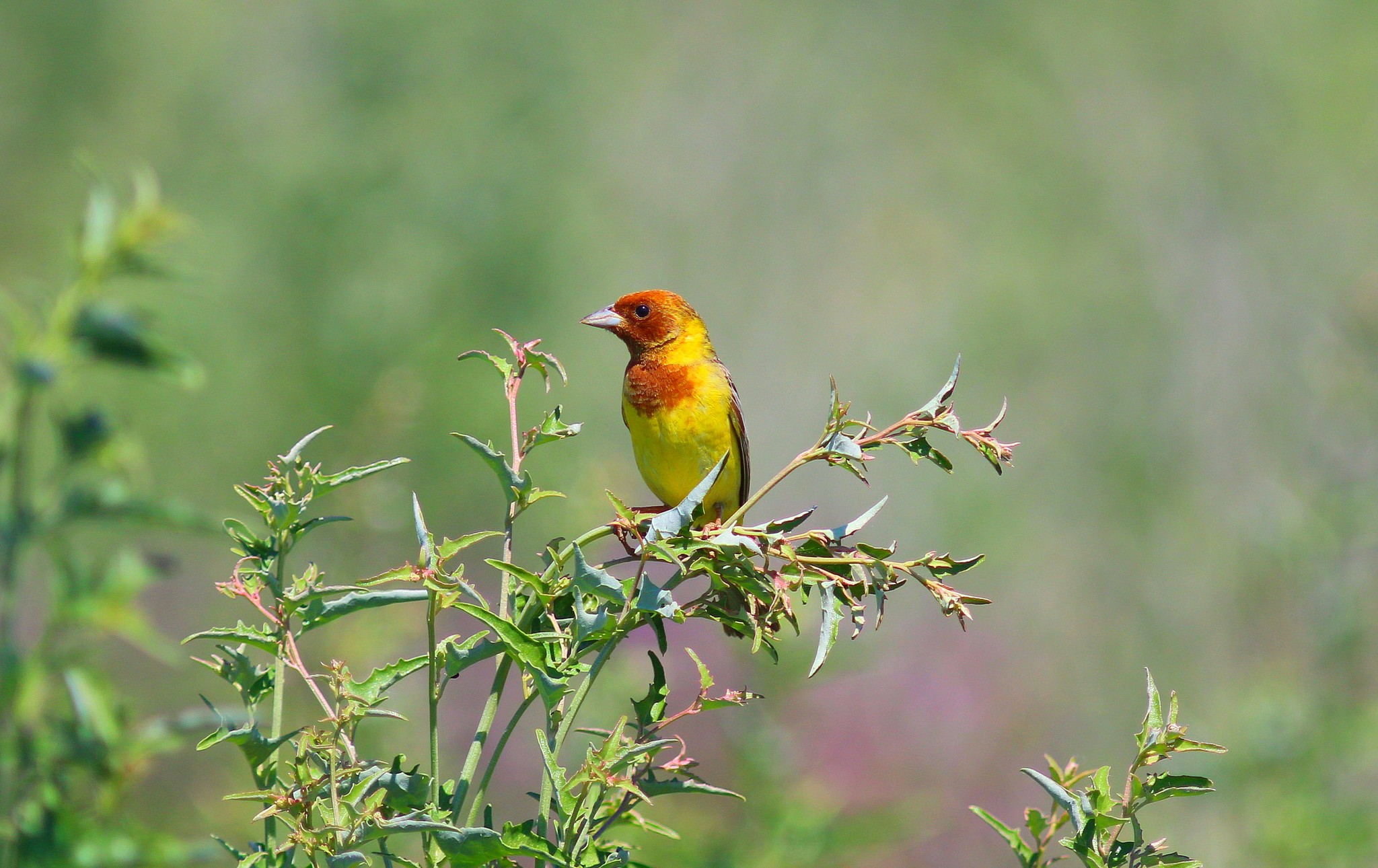
Red-headed Bunting (Emberiza bruniceps) Red-headed Bunting
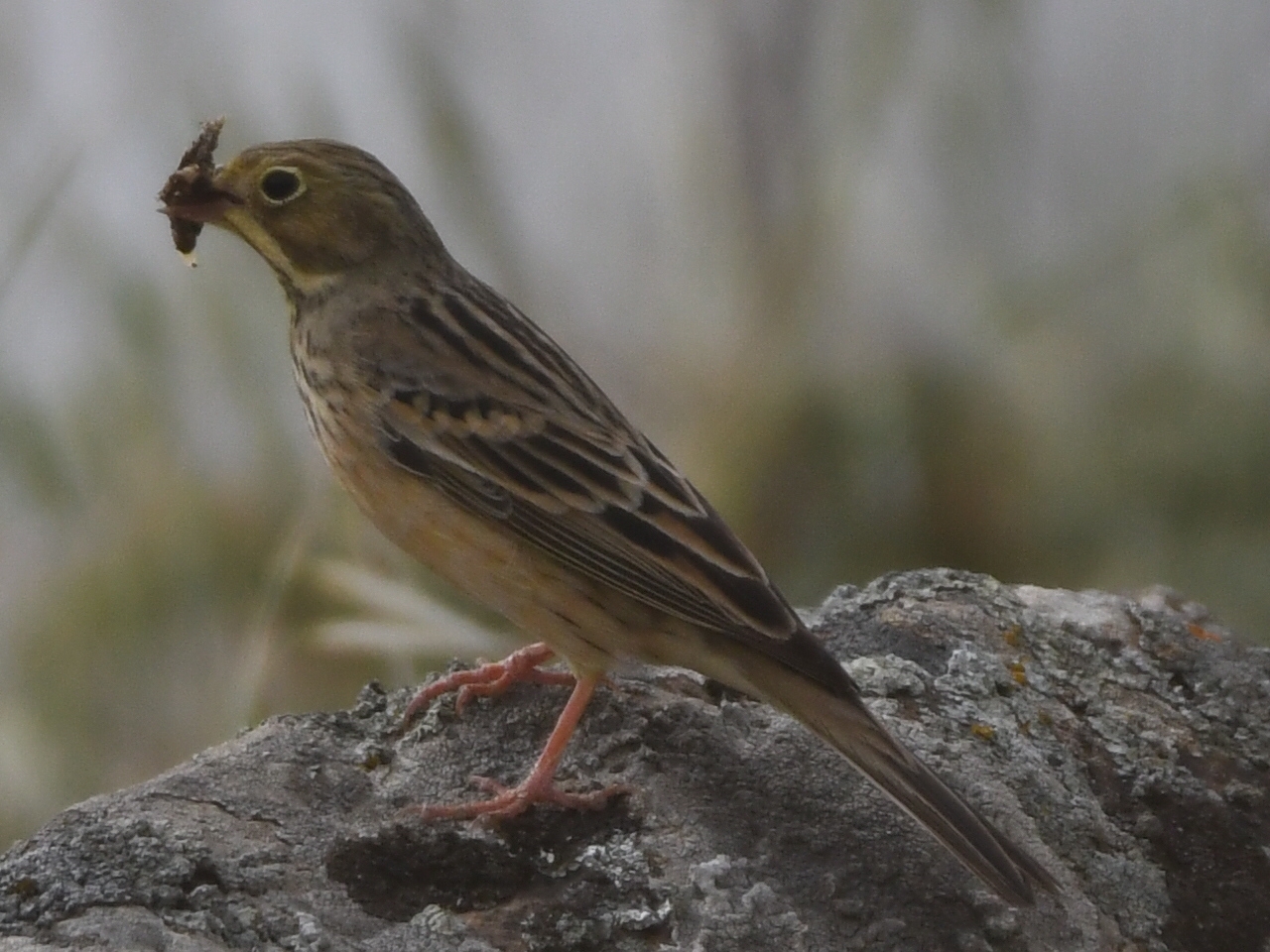
Ortolan Bunting (Emberiza hortulana) Ortolan Bunting

Media

Loading…

In short

The Red-headed Bunting and Ortolan Bunting are both Old World buntings, but they can be distinguished by head coloration and habitat preferences. The Red-headed Bunting typically has a striking red head, while the Ortolan Bunting has a more subdued, olive-brown head. Observing these differences can help birdwatchers differentiate between the two species.

Identification tips

  1. Look for the red head in Red-headed Buntings, especially in males. 2. Note the olive-brown head of the Ortolan Bunting. 3. Consider the habitat: open fields for Red-headed, wooded areas for Ortolan. 4. Use vocalizations if known, as they can be distinctive.

Size

Both species are similar in size, typical of small buntings.

Plumage

The Red-headed Bunting features a bright red head, especially in males, contrasting with its yellowish body. In contrast, the Ortolan Bunting has an olive-brown head with a more uniform, earthy-toned body. Females and non-breeding males of both species can appear more muted, but the head color remains a key difference.

Behaviour

Both species exhibit typical bunting behavior, such as feeding on seeds and insects, but specific behavioral differences are not well-documented.

Habitat

The Red-headed Bunting is often found in open fields and agricultural areas, while the Ortolan Bunting prefers more wooded or shrubby habitats. These habitat preferences can aid in identification.

Voice

Vocalizations are not well-documented in the provided notes, but generally, buntings have distinctive songs and calls that can assist in identification.

Submit a better description

Use the same sections as the comparison. Your text is published immediately.

The Red-headed Bunting and Ortolan Bunting are both Old World buntings, but they can be distinguished by head coloration and habitat preferences. The Red-headed Bunting typically has a striking red head, while the Ortolan Bunting has a more subdued, olive-brown head. Observing these differences can help birdwatchers differentiate between the two species.

  1. Look for the red head in Red-headed Buntings, especially in males. 2. Note the olive-brown head of the Ortolan Bunting. 3. Consider the habitat: open fields for Red-headed, wooded areas for Ortolan. 4. Use vocalizations if known, as they can be distinctive.

Both species are similar in size, typical of small buntings.

The Red-headed Bunting features a bright red head, especially in males, contrasting with its yellowish body. In contrast, the Ortolan Bunting has an olive-brown head with a more uniform, earthy-toned body. Females and non-breeding males of both species can appear more muted, but the head color remains a key difference.

Both species exhibit typical bunting behavior, such as feeding on seeds and insects, but specific behavioral differences are not well-documented.

The Red-headed Bunting is often found in open fields and agricultural areas, while the Ortolan Bunting prefers more wooded or shrubby habitats. These habitat preferences can aid in identification.

Vocalizations are not well-documented in the provided notes, but generally, buntings have distinctive songs and calls that can assist in identification.

Discard your changes?

You have unsaved edits. If you leave now, those changes will be lost.

Red-headed Bunting · Ortolan Bunting · My Tricky Birds