Birdr

Regent Parrot vs Princess Parrot

Polytelis anthopeplus versus Polytelis alexandrae

Play a quiz with Regent Parrot and Princess Parrot
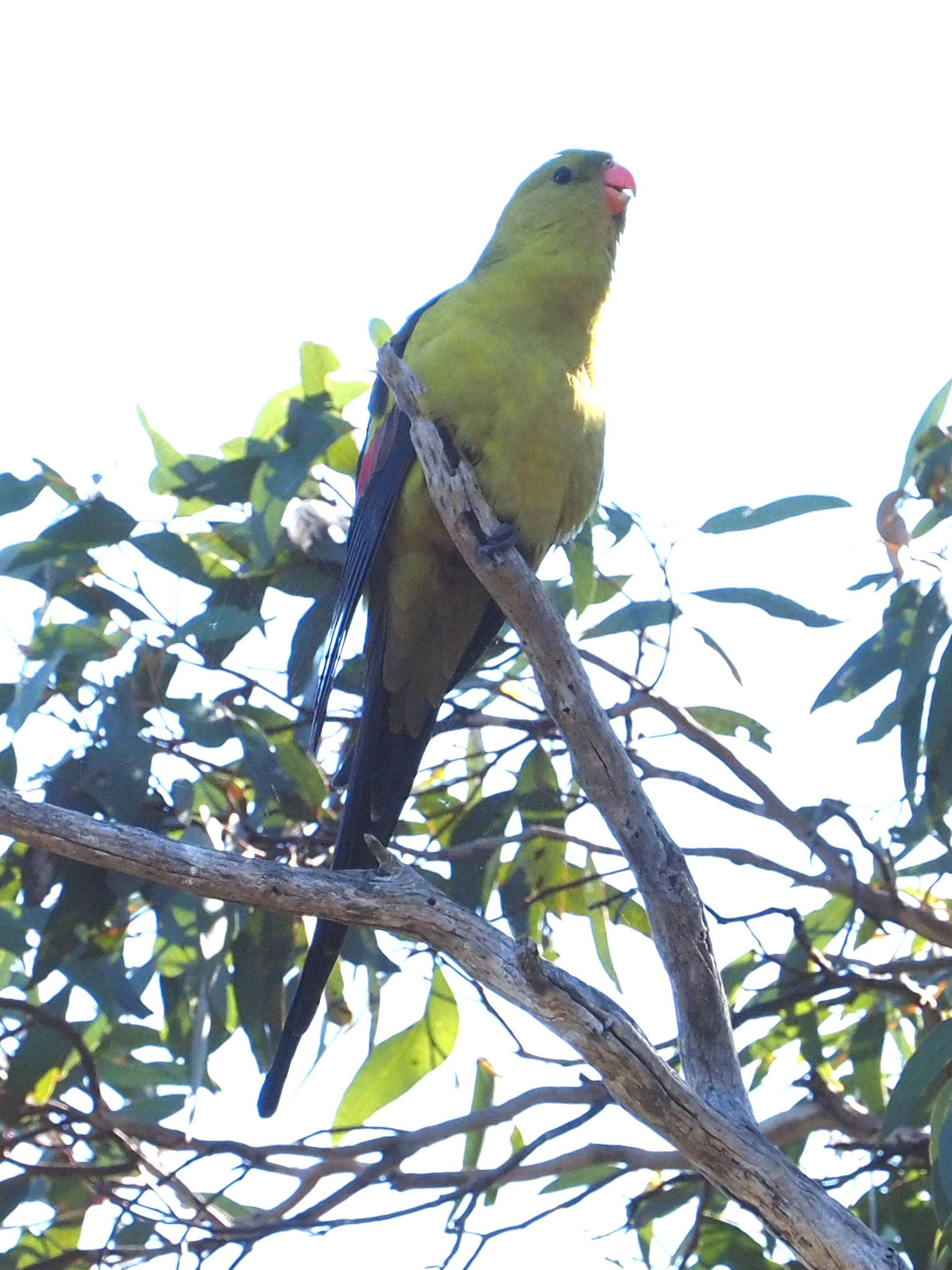
Regent Parrot (Polytelis anthopeplus) Regent Parrot
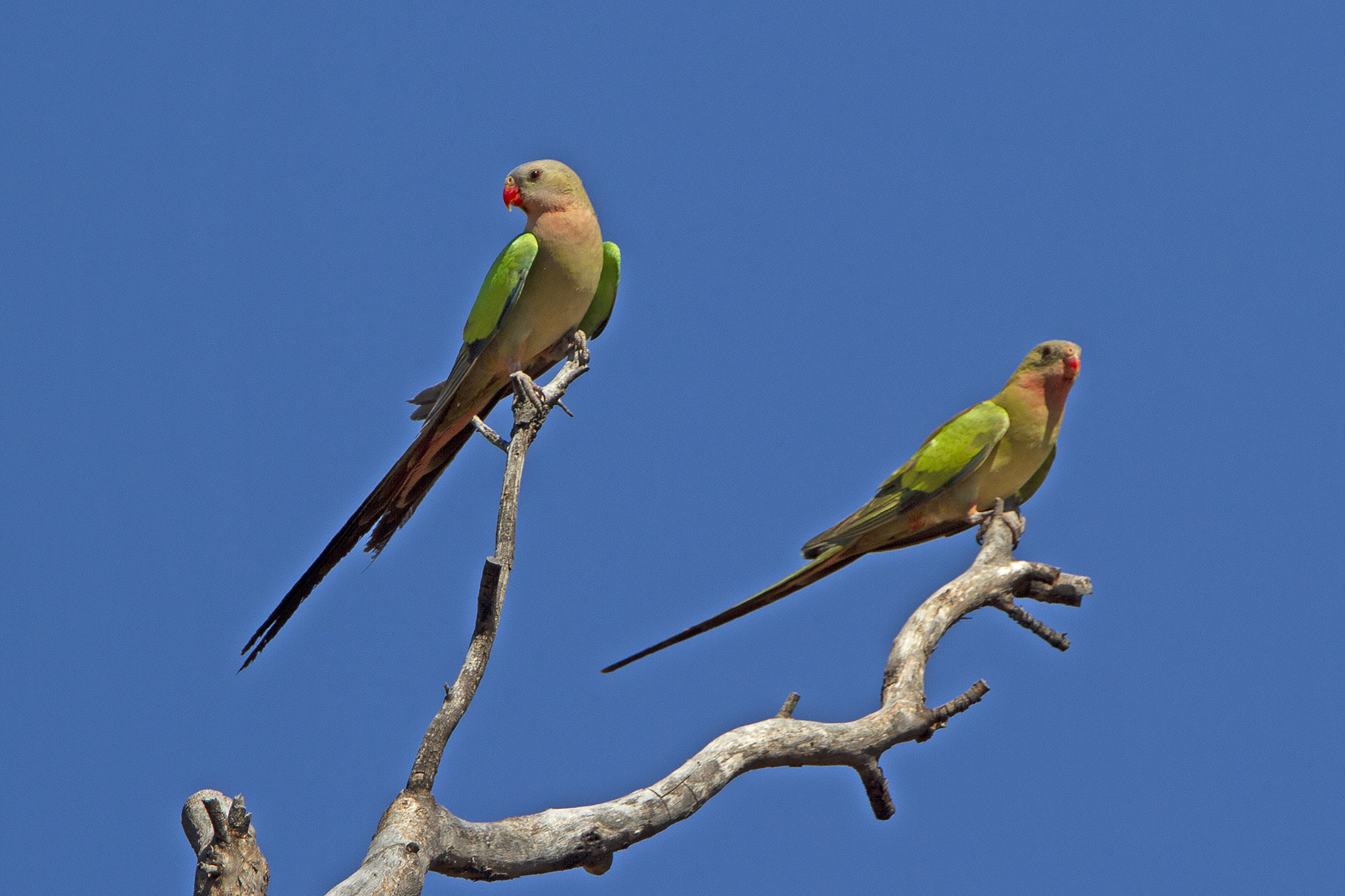
Princess Parrot (Polytelis alexandrae) Princess Parrot

Media

Loading…

In short

The Regent Parrot and Princess Parrot are both slender, medium-large parrots with long tails, but they differ in plumage and flight behavior. The Regent Parrot is more vibrant with yellow and green tones, while the Princess Parrot features softer pastel colors. Flight style and vocalizations also provide clues for identification.

Identification tips

  1. Plumage: Look for the bright yellow and green tones of the Regent Parrot, especially in males, versus the pastel colors of the Princess Parrot. 2. Flight: Note the direct flight of the Regent Parrot compared to the more relaxed flight of the Princess Parrot. 3. Vocalizations: Listen for the harsh 'carrak carrak' call of the Regent Parrot. 4. Habitat: Consider the habitat; Regent Parrots are more likely in riverine woodlands, while Princess Parrots prefer arid regions.

Size

Both species are similar in size, but the Regent Parrot is slightly larger and more slender.

Plumage

The Regent Parrot displays bright yellow and green plumage with a vivid pinkish-red bill, while the Princess Parrot has a more muted, pastel coloration with a bluish-grey crown and pink throat. The Regent Parrot's males are particularly bright lemon-yellow, whereas the Princess Parrot's colors are more subdued.

Behaviour

The Regent Parrot has a direct and purposeful flight, contrasting with the more relaxed and undulating flight of the Princess Parrot. Both species can be seen in flocks, but the Regent Parrot's flight is more distinctive.

Habitat

The Regent Parrot is typically found in riverine woodlands and mallee scrub, while the Princess Parrot inhabits arid and semi-arid regions, often in spinifex grasslands.

Voice

The Regent Parrot is known for its harsh, rolling 'carrak carrak' call, while the Princess Parrot's vocalizations are softer and less distinctive.

Submit a better description

Use the same sections as the comparison. Your text is published immediately.

The Regent Parrot and Princess Parrot are both slender, medium-large parrots with long tails, but they differ in plumage and flight behavior. The Regent Parrot is more vibrant with yellow and green tones, while the Princess Parrot features softer pastel colors. Flight style and vocalizations also provide clues for identification.

  1. Plumage: Look for the bright yellow and green tones of the Regent Parrot, especially in males, versus the pastel colors of the Princess Parrot. 2. Flight: Note the direct flight of the Regent Parrot compared to the more relaxed flight of the Princess Parrot. 3. Vocalizations: Listen for the harsh 'carrak carrak' call of the Regent Parrot. 4. Habitat: Consider the habitat; Regent Parrots are more likely in riverine woodlands, while Princess Parrots prefer arid regions.

Both species are similar in size, but the Regent Parrot is slightly larger and more slender.

The Regent Parrot displays bright yellow and green plumage with a vivid pinkish-red bill, while the Princess Parrot has a more muted, pastel coloration with a bluish-grey crown and pink throat. The Regent Parrot's males are particularly bright lemon-yellow, whereas the Princess Parrot's colors are more subdued.

The Regent Parrot has a direct and purposeful flight, contrasting with the more relaxed and undulating flight of the Princess Parrot. Both species can be seen in flocks, but the Regent Parrot's flight is more distinctive.

The Regent Parrot is typically found in riverine woodlands and mallee scrub, while the Princess Parrot inhabits arid and semi-arid regions, often in spinifex grasslands.

The Regent Parrot is known for its harsh, rolling 'carrak carrak' call, while the Princess Parrot's vocalizations are softer and less distinctive.

Discard your changes?

You have unsaved edits. If you leave now, those changes will be lost.

Regent Parrot · Princess Parrot · My Tricky Birds