Birdr

Richard's Pipit vs Long-billed Pipit

Anthus richardi versus Anthus similis

Play a quiz with Richard's Pipit and Long-billed Pipit
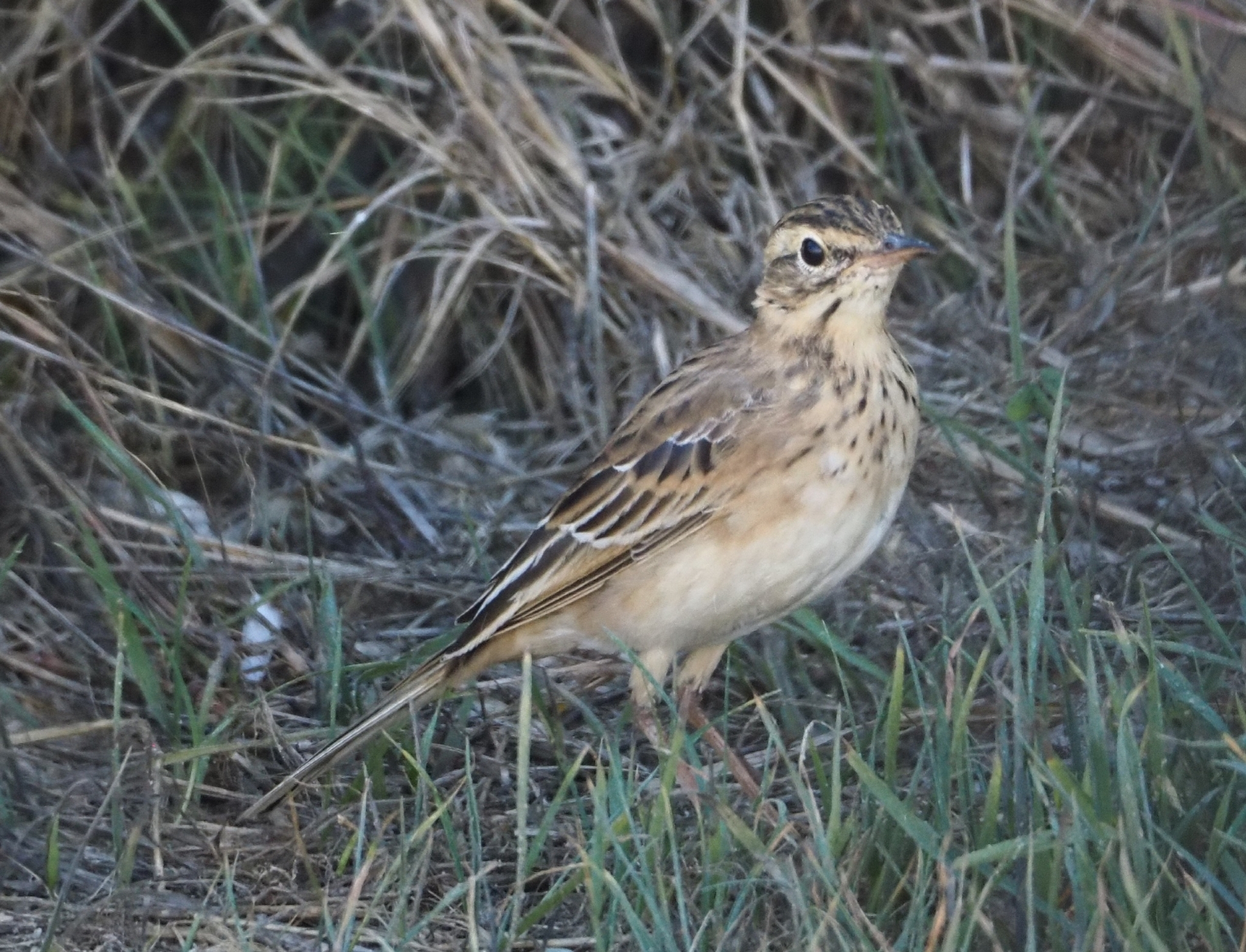
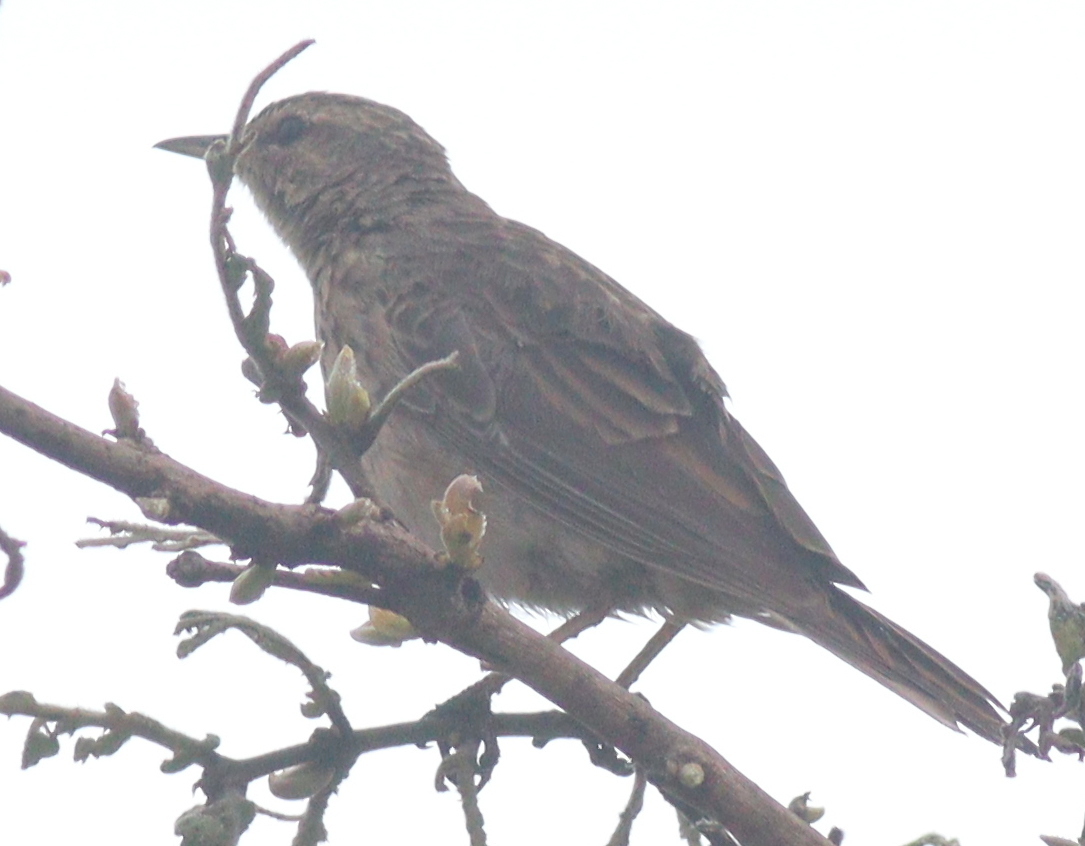
Richard's Pipit (Anthus richardi) Richard's Pipit
Long-billed Pipit (Anthus similis) Long-billed Pipit

Media

Loading…

In short

Richard's Pipit and Long-billed Pipit are both large pipits with similar overall coloration, but they can be distinguished by subtle differences in structure and habitat preference. Richard's Pipit typically has a longer tail and more pronounced supercilium, while Long-billed Pipit is characterized by its distinct malar stripe and preference for rocky hillsides.

Identification tips

  1. Look for the longer tail and more pronounced supercilium in Richard's Pipit. 2. Note the distinct malar stripe and darker plumage in Long-billed Pipit. 3. Consider habitat: Richard's Pipit in open fields, Long-billed Pipit on rocky hillsides. 4. Listen for vocal differences if possible, with Richard's Pipit known for its 'shreep' call.

Size

Both species are large pipits, but Richard's Pipit tends to have a slightly longer tail.

Plumage

Richard's Pipit generally has a paler overall tone with a more pronounced supercilium. Long-billed Pipit is darker earth-brown with sandy-buff fringes and heavy streaks below, featuring a distinct malar stripe.

Behaviour

Both species forage on the ground, primarily feeding on insects. Richard's Pipit may be more often found in open fields, while Long-billed Pipit prefers rocky or stony hillsides.

Habitat

Richard's Pipit is often found in open grasslands and fields, whereas Long-billed Pipit prefers stony or rocky hillsides with some scrub or open woodland.

Voice

Vocalizations are not well-documented in the notes, but Richard's Pipit is known for its distinctive 'shreep' call, which may differ from the Long-billed Pipit's calls.

Submit a better description

Use the same sections as the comparison. Your text is published immediately.

Richard's Pipit and Long-billed Pipit are both large pipits with similar overall coloration, but they can be distinguished by subtle differences in structure and habitat preference. Richard's Pipit typically has a longer tail and more pronounced supercilium, while Long-billed Pipit is characterized by its distinct malar stripe and preference for rocky hillsides.

  1. Look for the longer tail and more pronounced supercilium in Richard's Pipit. 2. Note the distinct malar stripe and darker plumage in Long-billed Pipit. 3. Consider habitat: Richard's Pipit in open fields, Long-billed Pipit on rocky hillsides. 4. Listen for vocal differences if possible, with Richard's Pipit known for its 'shreep' call.

Both species are large pipits, but Richard's Pipit tends to have a slightly longer tail.

Richard's Pipit generally has a paler overall tone with a more pronounced supercilium. Long-billed Pipit is darker earth-brown with sandy-buff fringes and heavy streaks below, featuring a distinct malar stripe.

Both species forage on the ground, primarily feeding on insects. Richard's Pipit may be more often found in open fields, while Long-billed Pipit prefers rocky or stony hillsides.

Richard's Pipit is often found in open grasslands and fields, whereas Long-billed Pipit prefers stony or rocky hillsides with some scrub or open woodland.

Vocalizations are not well-documented in the notes, but Richard's Pipit is known for its distinctive 'shreep' call, which may differ from the Long-billed Pipit's calls.

Discard your changes?

You have unsaved edits. If you leave now, those changes will be lost.

Richard's Pipit · Long-billed Pipit · My Tricky Birds