
Rose-throated Becard vs Common Yellowthroat
Pachyramphus aglaiae versus Geothlypis trichas
Play a quiz with Rose-throated Becard and Common Yellowthroat
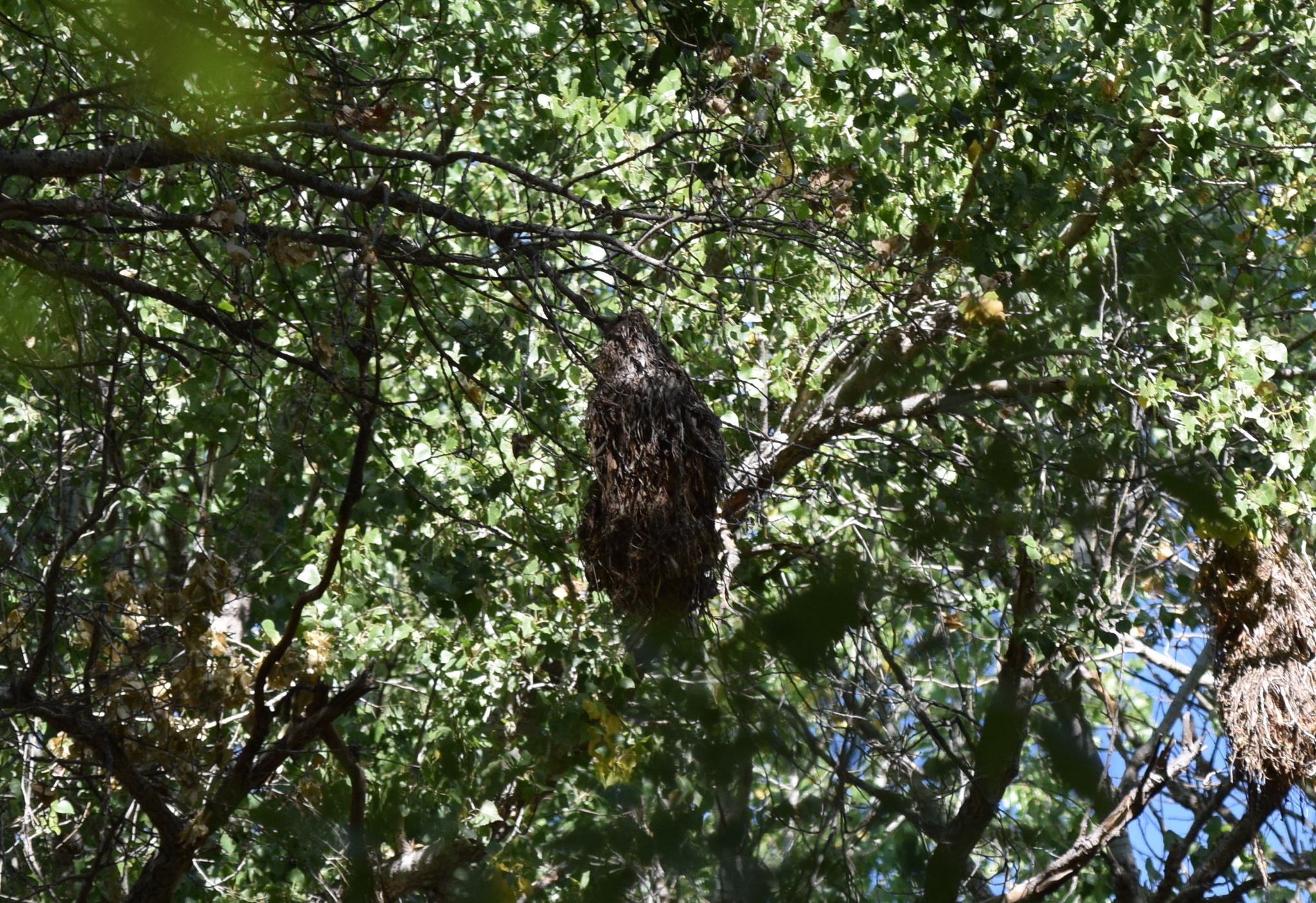 Rose-throated Becard
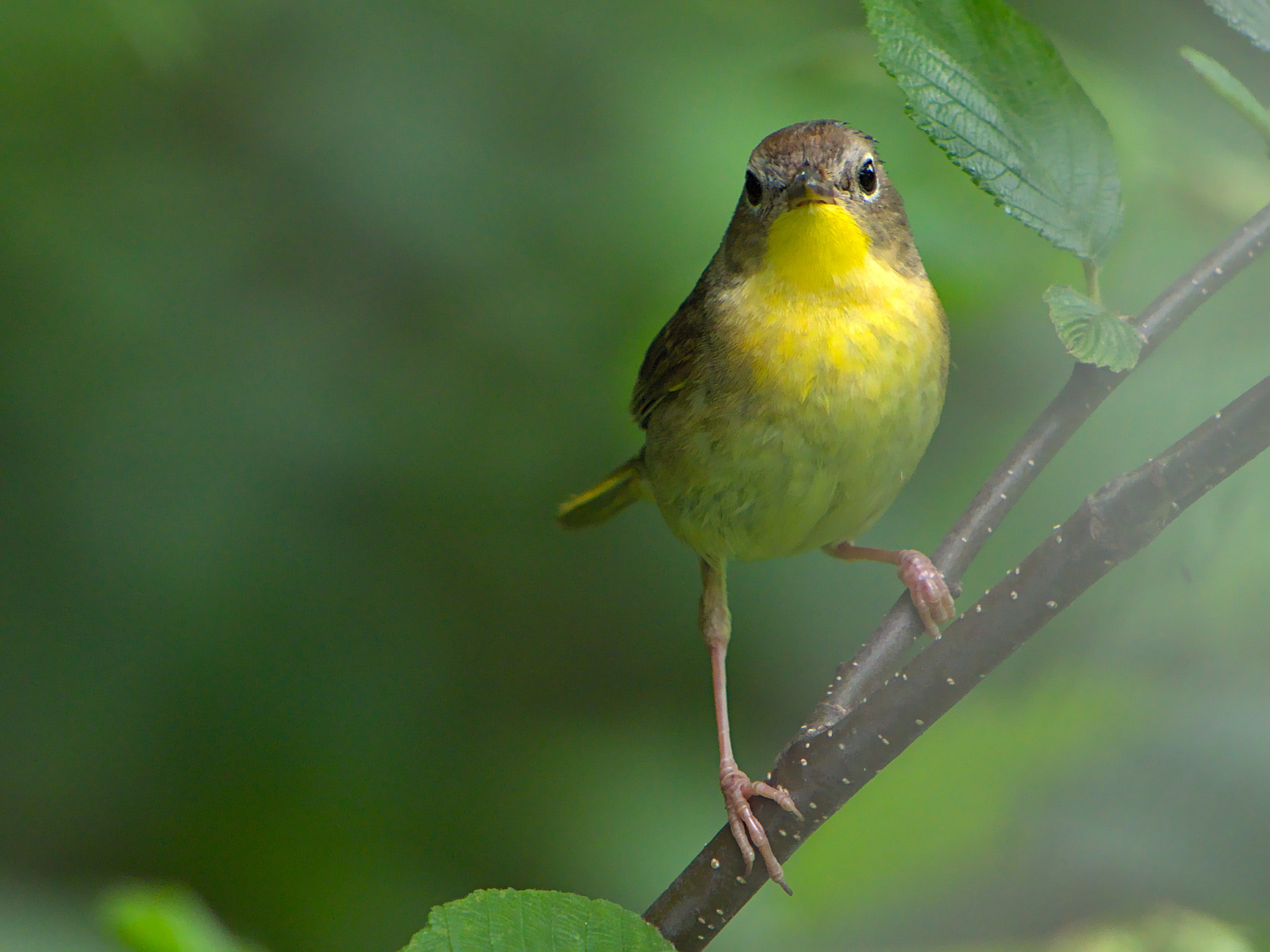 Common Yellowthroat
In short
The Rose-throated Becard and Common Yellowthroat can be distinguished by their size, plumage, and habitat preferences. The Rose-throated Becard is larger with a more robust body and distinctive rose-colored throat patch in males, while the Common Yellowthroat is smaller and features a striking black mask in males.
Identification tips
1. Size: Look for the larger size and robust build of the Rose-throated Becard. 2. Male Plumage: Identify the rose-colored throat patch in male becards versus the black mask in male yellowthroats. 3. Habitat: Consider the habitat; becards are more likely in open woodlands, yellowthroats in marshy areas. 4. Behavior: Observe nesting behavior; becards build large, domed nests, while yellowthroats are more secretive. 5. Vocalization: Listen for the yellowthroat's distinctive song.
Size
The Rose-throated Becard is larger and more robust compared to the smaller, more delicate Common Yellowthroat.
Plumage
Male Rose-throated Becards have a rose-colored throat patch and a hidden white shoulder patch, while male Common Yellowthroats have a prominent black mask and yellow throat. Female becards are generally duller, lacking the rose throat, while female yellowthroats are more uniformly brownish with a hint of yellow.
Behaviour
Rose-throated Becards are known for their bulky, domed nests and both sexes participate in nest building and feeding young. Common Yellowthroats are often seen skulking in dense vegetation, and their behavior is less conspicuous.
Habitat
Rose-throated Becards prefer open or semi-open edge situations, often in woodlands or scrubby areas. Common Yellowthroats are typically found in marshes and wetland edges with dense vegetation.
Voice
The Common Yellowthroat has a distinctive 'witchety-witchety-witchety' song, while the Rose-throated Becard's vocalizations are less well-documented and not as distinctive.
Rose-throated Becard · Common Yellowthroat · My Tricky Birds