
Rose-throated Becard vs Northern Beardless-Tyrannulet
Pachyramphus aglaiae versus Camptostoma imberbe
Play a quiz with Rose-throated Becard and Northern Beardless-Tyrannulet
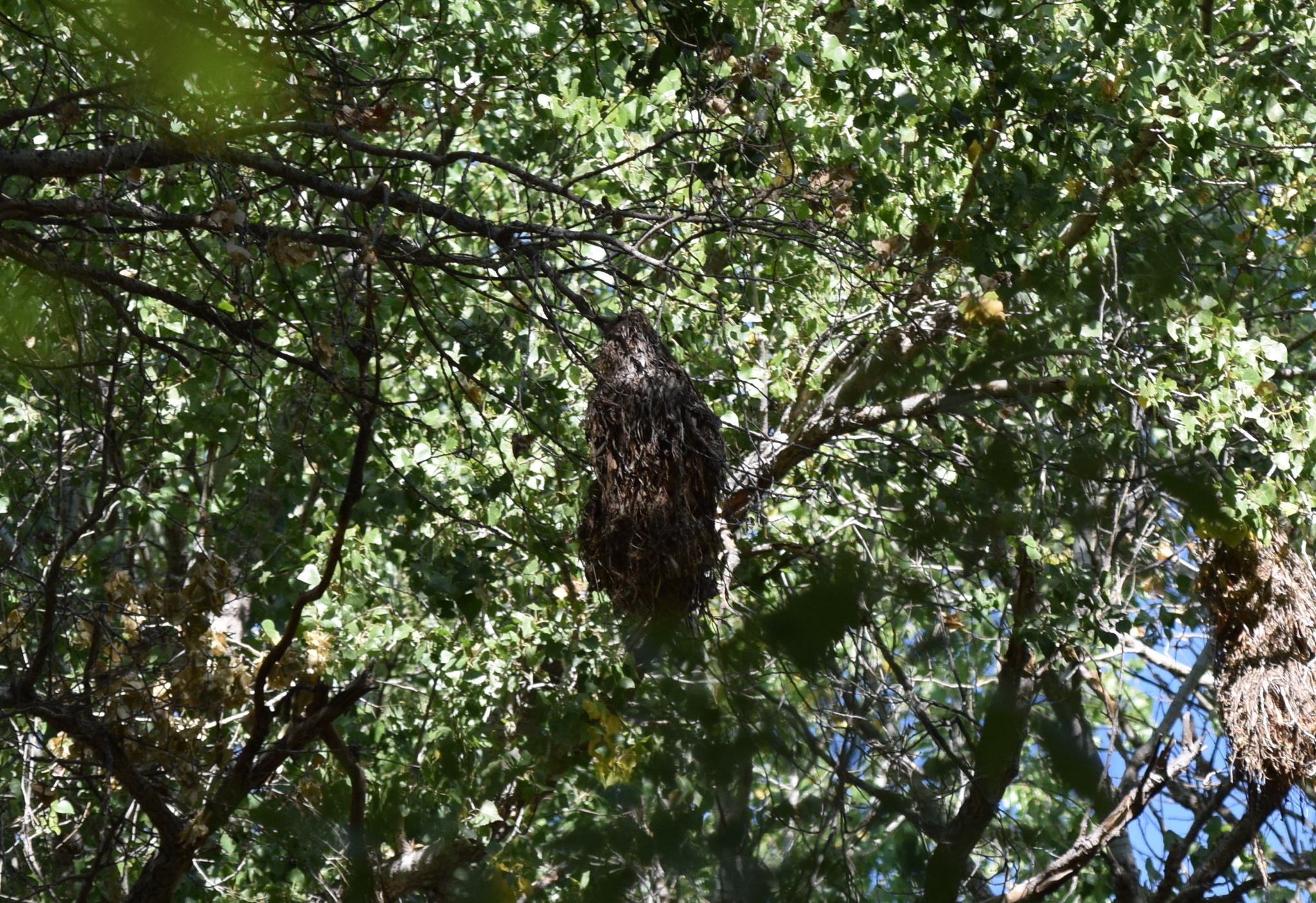 Rose-throated Becard
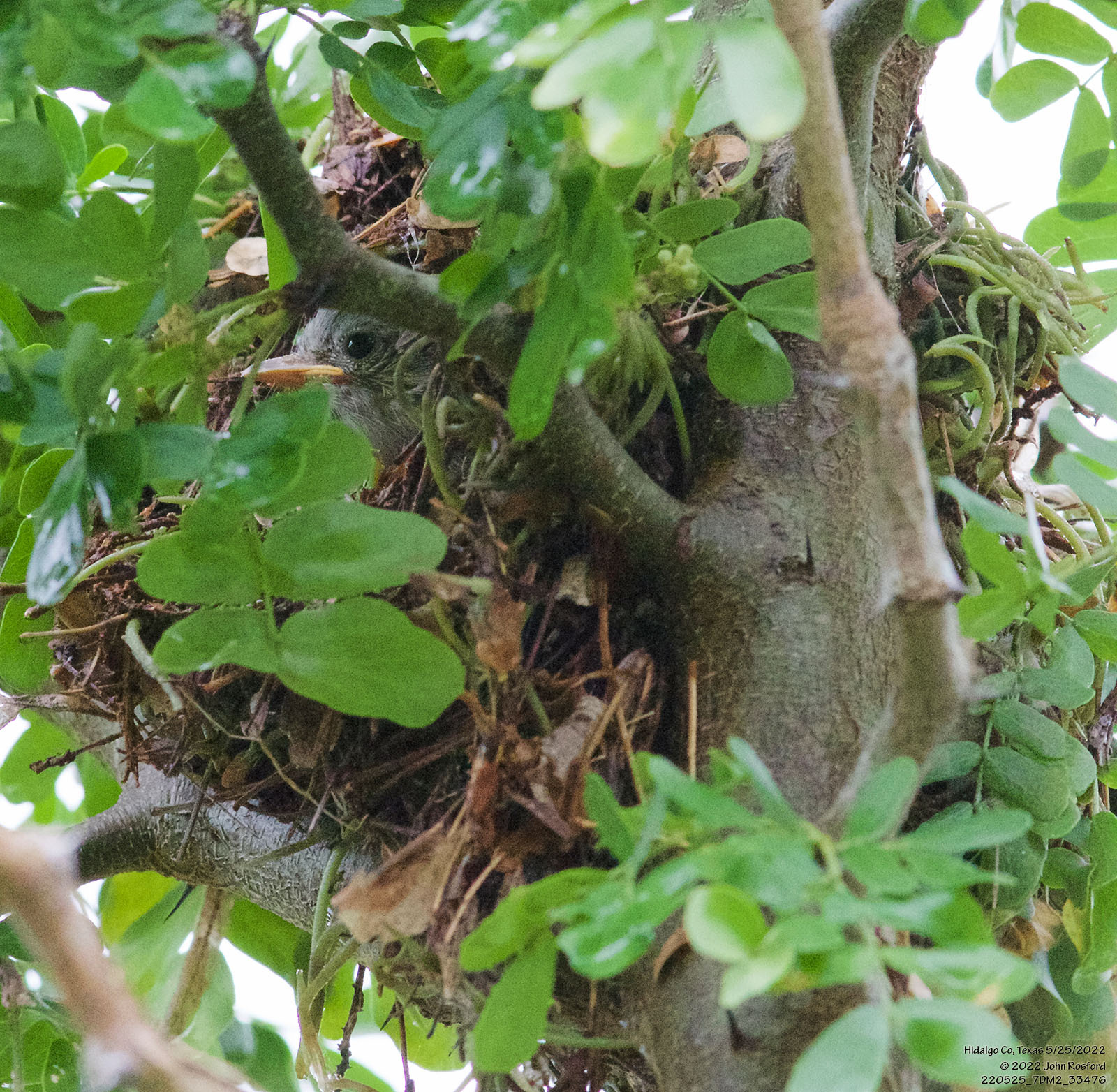 Northern Beardless-Tyrannulet
In short
The Rose-throated Becard and Northern Beardless-Tyrannulet can be distinguished by size, bill shape, and behavior. The becard is larger with a thicker bill, while the tyrannulet is smaller with a vireo-like bill and more elusive habits. Vocalizations are a reliable way to tell them apart, with the tyrannulet having a distinctive high-pitched call.
Identification tips
- Size and Bill: Look for the larger size and thicker bill of the Rose-throated Becard. 2. Throat Color: Check for the rose-colored throat in male becards. 3. Behavior: Observe the foraging behavior; becards are more likely to sally for insects, while tyrannulets glean from foliage. 4. Vocalization: Listen for the high-pitched call of the Northern Beardless-Tyrannulet. 5. Habitat: Consider the habitat; becards are found in various forest types, while tyrannulets prefer riparian woodlands.
Size
The Rose-throated Becard is noticeably larger than the Northern Beardless-Tyrannulet.
Plumage
The Rose-throated Becard male has a rose-colored throat, while the Northern Beardless-Tyrannulet is more uniformly drab. Both species are sexually dimorphic, but the tyrannulet is less colorful overall.
Behaviour
The Rose-throated Becard often engages in foliage-sallying and fruit-plucking, while the Northern Beardless-Tyrannulet picks insects from bark and foliage and is more elusive.
Habitat
The Rose-throated Becard is found in a variety of forest types and woodlands, while the Northern Beardless-Tyrannulet prefers lowland riparian woodlands.
Voice
The Northern Beardless-Tyrannulet has a distinctive high-pitched 'pee-pee-pee' call, which is a reliable field mark. The Rose-throated Becard's vocalizations are less distinctive.
Rose-throated Becard · Northern Beardless-Tyrannulet · My Tricky Birds