Birdr

Ruddy Quail-Dove vs White-winged Dove

Geotrygon montana versus Zenaida asiatica

Play a quiz with Ruddy Quail-Dove and White-winged Dove
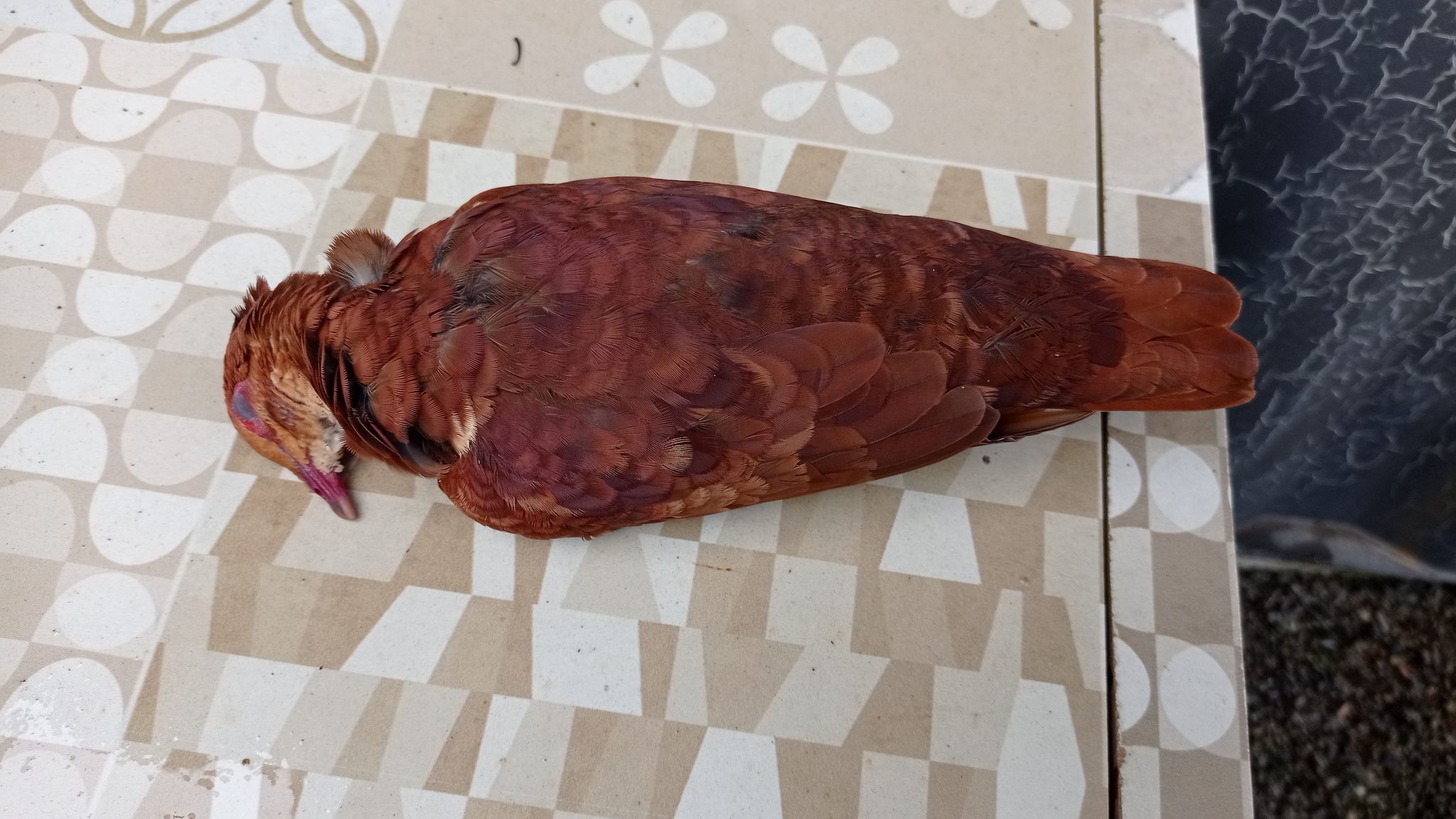
Ruddy Quail-Dove (Geotrygon montana) Ruddy Quail-Dove
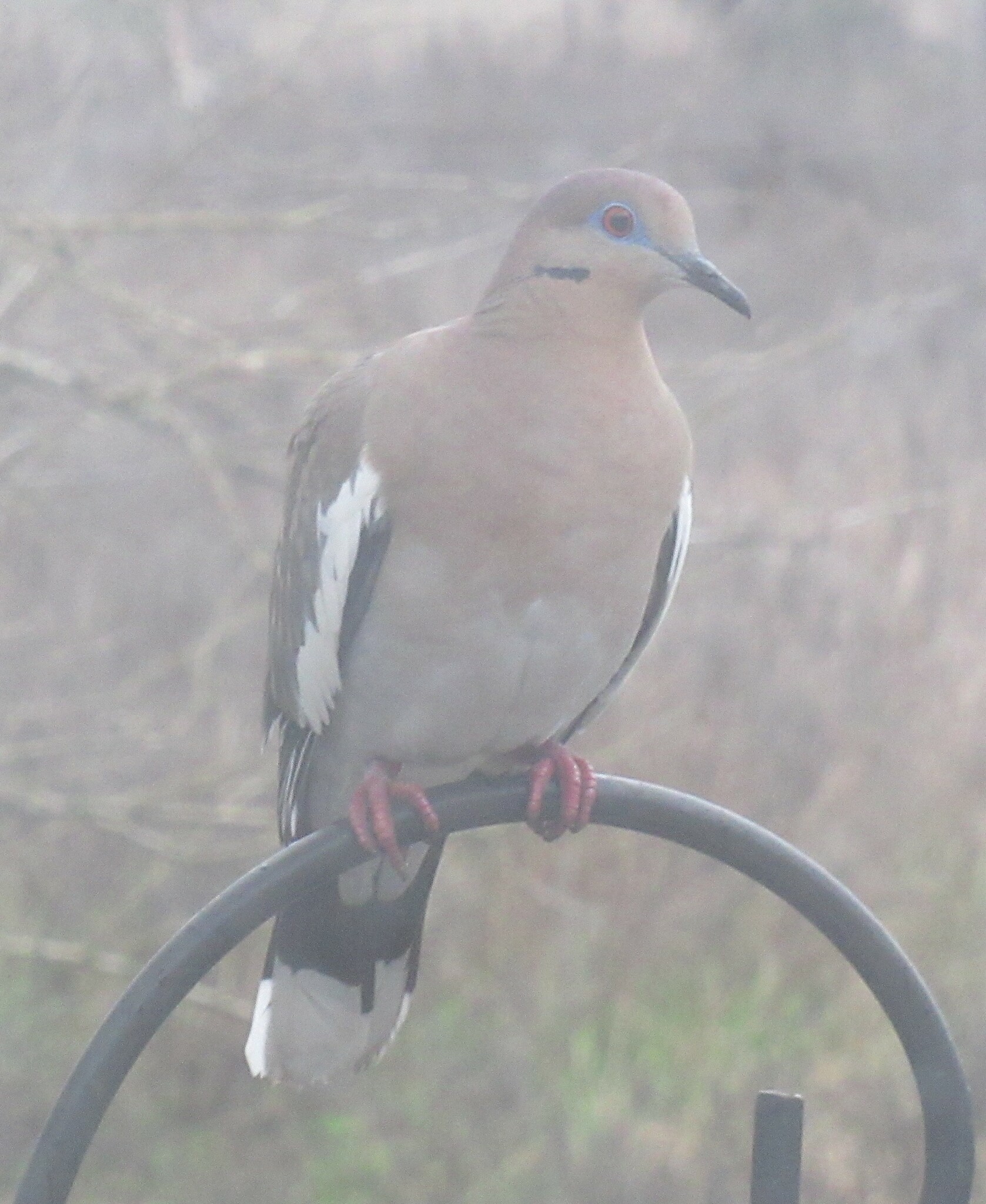
White-winged Dove (Zenaida asiatica) White-winged Dove

Media

Loading…

In short

The Ruddy Quail-Dove and White-winged Dove are both ground-dwelling doves, but they differ significantly in appearance and behavior. The Ruddy Quail-Dove is more secretive and prefers dense forest floors, while the White-winged Dove is more adaptable and often found in open areas.

Identification tips

1. Size and Shape: Look for the larger, more robust shape of the White-winged Dove. 2. Plumage: Note the rich ruddy color of the Ruddy Quail-Dove versus the grayish tone and white wing patches of the White-winged Dove. 3. Habitat: Consider the environment; dense forests suggest Ruddy Quail-Dove, while open or urban areas suggest White-winged Dove. 4. Behavior: Observe behavior; solitary and stealthy indicates Ruddy Quail-Dove, while social and conspicuous suggests White-winged Dove. 5. Vocalization: Listen for the distinctive call of the White-winged Dove.

Size

The White-winged Dove is larger and more robust than the Ruddy Quail-Dove.

Plumage

The Ruddy Quail-Dove has a rich, ruddy-brown plumage with a distinctive iridescent patch on the neck, while the White-winged Dove is grayish with prominent white wing patches visible in flight.

Behaviour

Ruddy Quail-Doves are shy and often solitary, foraging quietly on the forest floor. In contrast, White-winged Doves are more social and can be seen in flocks, often in open areas.

Habitat

Ruddy Quail-Doves prefer dense, forested areas with thick cover, while White-winged Doves are more versatile, inhabiting urban areas, deserts, and open woodlands.

Voice

The White-winged Dove has a distinctive, repetitive 'who-cooks-for-you' call, while the Ruddy Quail-Dove's vocalizations are less well-documented but generally quieter and less conspicuous.

Submit a better description

Use the same sections as the comparison. Your text is published immediately.

The Ruddy Quail-Dove and White-winged Dove are both ground-dwelling doves, but they differ significantly in appearance and behavior. The Ruddy Quail-Dove is more secretive and prefers dense forest floors, while the White-winged Dove is more adaptable and often found in open areas.

1. Size and Shape: Look for the larger, more robust shape of the White-winged Dove. 2. Plumage: Note the rich ruddy color of the Ruddy Quail-Dove versus the grayish tone and white wing patches of the White-winged Dove. 3. Habitat: Consider the environment; dense forests suggest Ruddy Quail-Dove, while open or urban areas suggest White-winged Dove. 4. Behavior: Observe behavior; solitary and stealthy indicates Ruddy Quail-Dove, while social and conspicuous suggests White-winged Dove. 5. Vocalization: Listen for the distinctive call of the White-winged Dove.

The White-winged Dove is larger and more robust than the Ruddy Quail-Dove.

The Ruddy Quail-Dove has a rich, ruddy-brown plumage with a distinctive iridescent patch on the neck, while the White-winged Dove is grayish with prominent white wing patches visible in flight.

Ruddy Quail-Doves are shy and often solitary, foraging quietly on the forest floor. In contrast, White-winged Doves are more social and can be seen in flocks, often in open areas.

Ruddy Quail-Doves prefer dense, forested areas with thick cover, while White-winged Doves are more versatile, inhabiting urban areas, deserts, and open woodlands.

The White-winged Dove has a distinctive, repetitive 'who-cooks-for-you' call, while the Ruddy Quail-Dove's vocalizations are less well-documented but generally quieter and less conspicuous.

Discard your changes?

You have unsaved edits. If you leave now, those changes will be lost.

Ruddy Quail-Dove · White-winged Dove · My Tricky Birds