Birdr

Ruddy Turnstone vs Dickcissel

Arenaria interpres versus Spiza americana

Play a quiz with Ruddy Turnstone and Dickcissel
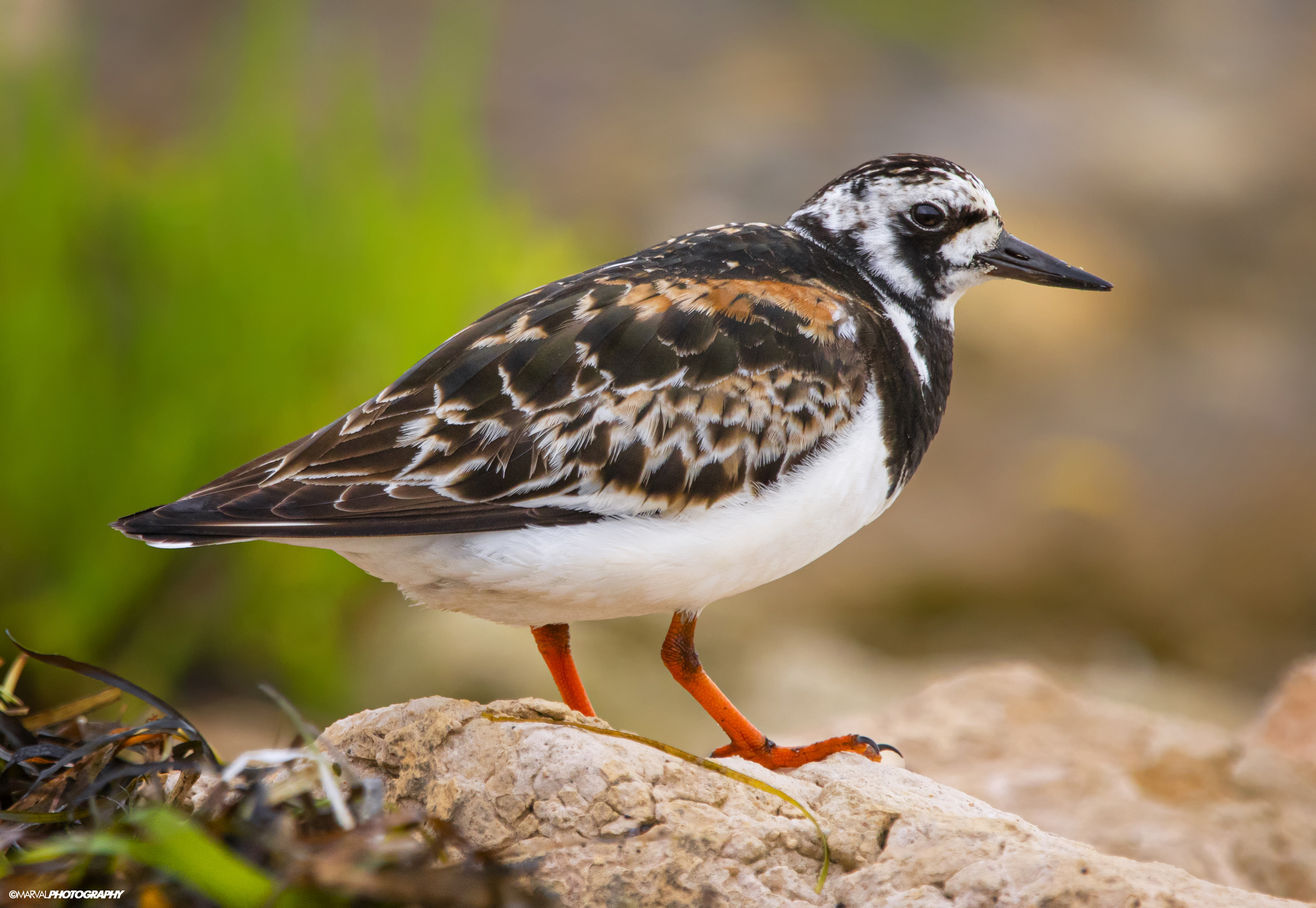
Ruddy Turnstone (Arenaria interpres) Ruddy Turnstone
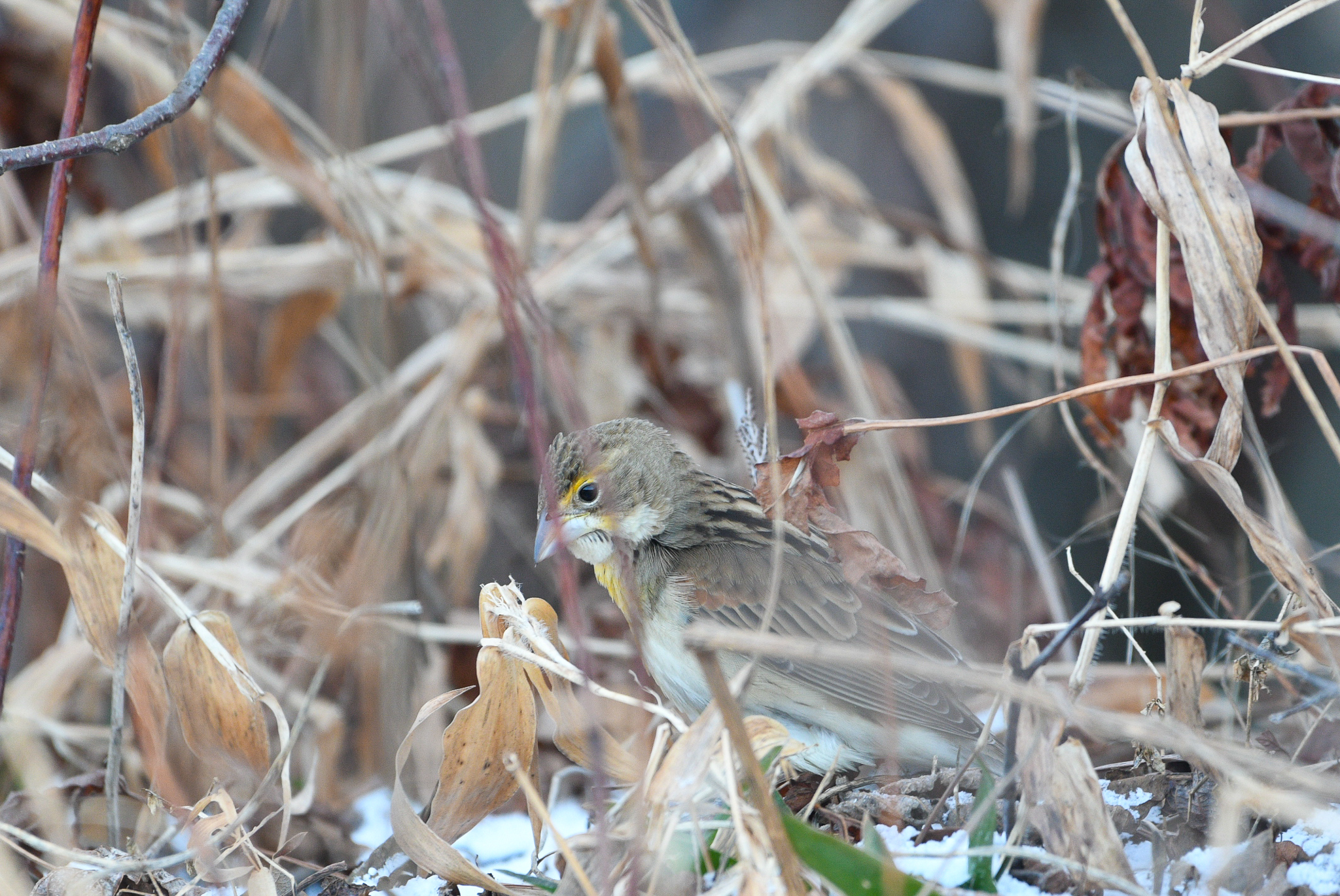
Dickcissel (Spiza americana) Dickcissel

Media

Loading…

In short

The Ruddy Turnstone and Dickcissel are easily distinguished by their habitat preferences and physical appearance. The Ruddy Turnstone is a shorebird with a distinctive black and white pattern, while the Dickcissel is a small grassland bird with a sparrow-like appearance and a yellow chest.

Identification tips

  1. Habitat: Look for Ruddy Turnstone along coasts and Dickcissel in grasslands. 2. Plumage: Note the black and white pattern of the Turnstone versus the yellow chest of the Dickcissel. 3. Behavior: Observe the Turnstone flipping stones versus the Dickcissel perching on vegetation. 4. Size: Remember the Turnstone is larger than the Dickcissel.

Size

Ruddy Turnstone is a medium-sized shorebird, larger than the small, sparrow-sized Dickcissel.

Plumage

Ruddy Turnstone has a striking black and white head and chest pattern, with bright orange legs and a rusty back in breeding plumage. Dickcissel has a more subdued appearance with a yellow chest, brownish back, and a black 'V' on the throat.

Behaviour

Ruddy Turnstone is often seen flipping over stones and debris along shorelines to find food. Dickcissel forages in fields and grasslands, often perching on tall vegetation.

Habitat

Ruddy Turnstone is found along coastal areas and mudflats, while Dickcissel inhabits grasslands and agricultural fields.

Voice

Ruddy Turnstone calls are not well-documented in the sources. Dickcissel has a distinctive, buzzy song often described as 'dick-dick-cissel'.

Submit a better description

Use the same sections as the comparison. Your text is published immediately.

The Ruddy Turnstone and Dickcissel are easily distinguished by their habitat preferences and physical appearance. The Ruddy Turnstone is a shorebird with a distinctive black and white pattern, while the Dickcissel is a small grassland bird with a sparrow-like appearance and a yellow chest.

  1. Habitat: Look for Ruddy Turnstone along coasts and Dickcissel in grasslands. 2. Plumage: Note the black and white pattern of the Turnstone versus the yellow chest of the Dickcissel. 3. Behavior: Observe the Turnstone flipping stones versus the Dickcissel perching on vegetation. 4. Size: Remember the Turnstone is larger than the Dickcissel.

Ruddy Turnstone is a medium-sized shorebird, larger than the small, sparrow-sized Dickcissel.

Ruddy Turnstone has a striking black and white head and chest pattern, with bright orange legs and a rusty back in breeding plumage. Dickcissel has a more subdued appearance with a yellow chest, brownish back, and a black 'V' on the throat.

Ruddy Turnstone is often seen flipping over stones and debris along shorelines to find food. Dickcissel forages in fields and grasslands, often perching on tall vegetation.

Ruddy Turnstone is found along coastal areas and mudflats, while Dickcissel inhabits grasslands and agricultural fields.

Ruddy Turnstone calls are not well-documented in the sources. Dickcissel has a distinctive, buzzy song often described as 'dick-dick-cissel'.

Discard your changes?

You have unsaved edits. If you leave now, those changes will be lost.

Ruddy Turnstone · Dickcissel · My Tricky Birds