
Ruff vs Eurasian Siskin
Calidris pugnax versus Spinus spinus
Play a quiz with Ruff and Eurasian Siskin
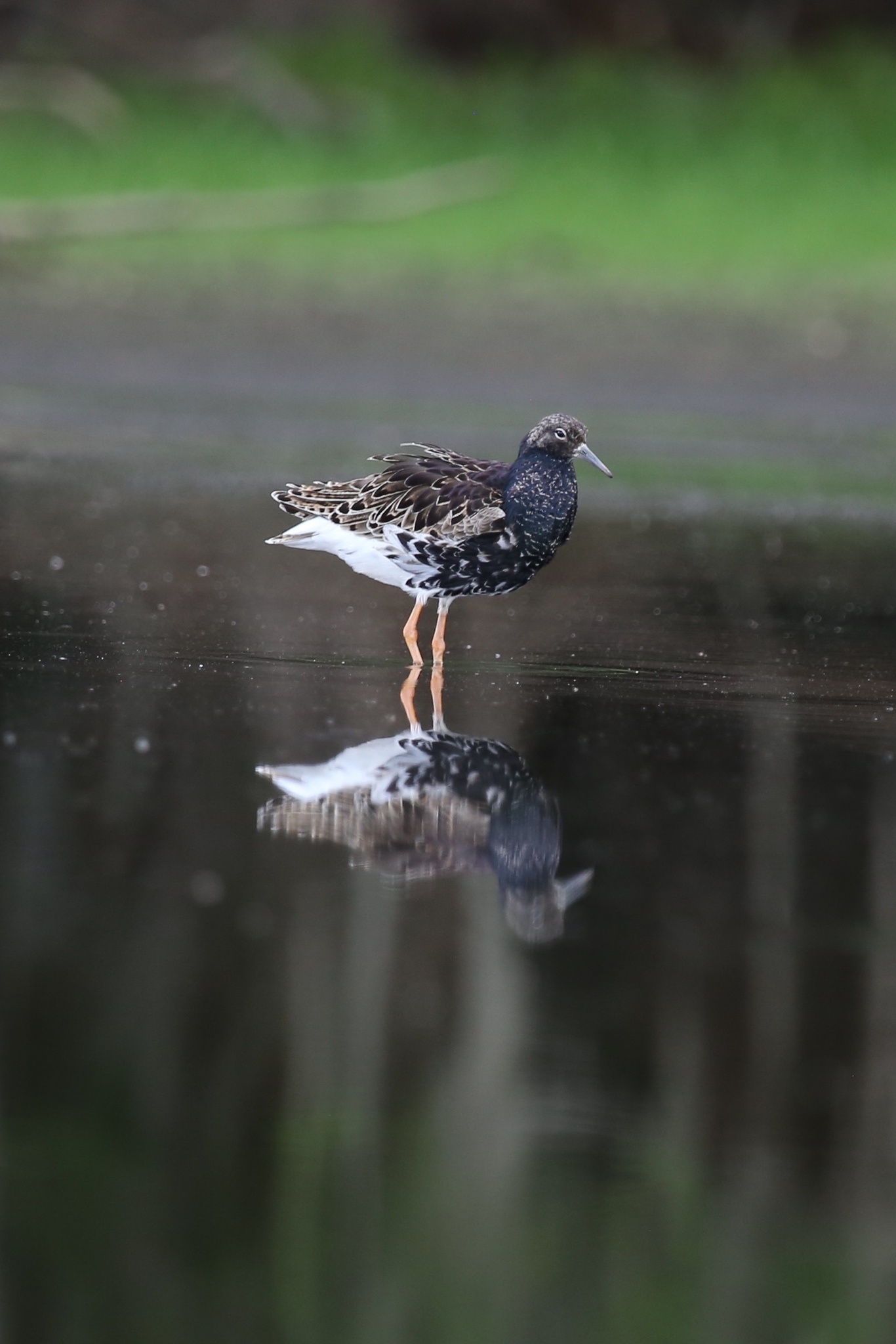 Ruff
Ruff
 Eurasian Siskin
In short
The Ruff and the Eurasian Siskin are easily distinguished by their size and habitat preferences. The Ruff is a medium-sized wader often found in wetlands, while the Eurasian Siskin is a small finch typically seen in woodlands and gardens. Their plumage and behavior are also markedly different.
Identification tips
- Size and Shape: Use size as the first clue; Ruffs are much larger and have longer legs and necks.
- Habitat: Check the habitat; Ruffs are in wetlands, Siskins in woodlands or gardens.
- Plumage: Look for the Ruff's variable plumage and potential ruff and tufts in males, versus the Siskin's consistent yellow-green tones and black cap.
- Behavior: Note the behavior; Ruffs wade and display in leks, Siskins are acrobatic seed feeders.
- Vocalization: Listen for the Siskin's high-pitched twittering, absent in Ruffs.
Size
The Ruff is significantly larger than the Eurasian Siskin, with a length of about 20-30 cm compared to the Siskin's 11-12.5 cm.
Plumage
Ruffs have variable plumage, especially in breeding males, with ornate ruffs and tufts, while females and non-breeding males are more subdued. The Eurasian Siskin has a more consistent plumage with bright yellow and green tones, and distinctive black cap and bib in males.
Behaviour
Ruffs are often seen wading in shallow water, foraging for invertebrates, and can be observed displaying in leks during the breeding season. Eurasian Siskins are agile and acrobatic, frequently seen hanging upside down while feeding on seeds.
Habitat
Ruffs are typically found in wetlands, marshes, and flooded fields. In contrast, Eurasian Siskins prefer coniferous and mixed woodlands, as well as gardens and parks.
Voice
Ruffs are generally quiet, with occasional grunts or whistles during display. Eurasian Siskins have a distinctive, high-pitched, twittering song and call, often heard in flight or while feeding.