Birdr

Ruff vs Great White Pelican

Calidris pugnax versus Pelecanus onocrotalus

Play a quiz with Ruff and Great White Pelican

Ruff (Calidris pugnax) Ruff
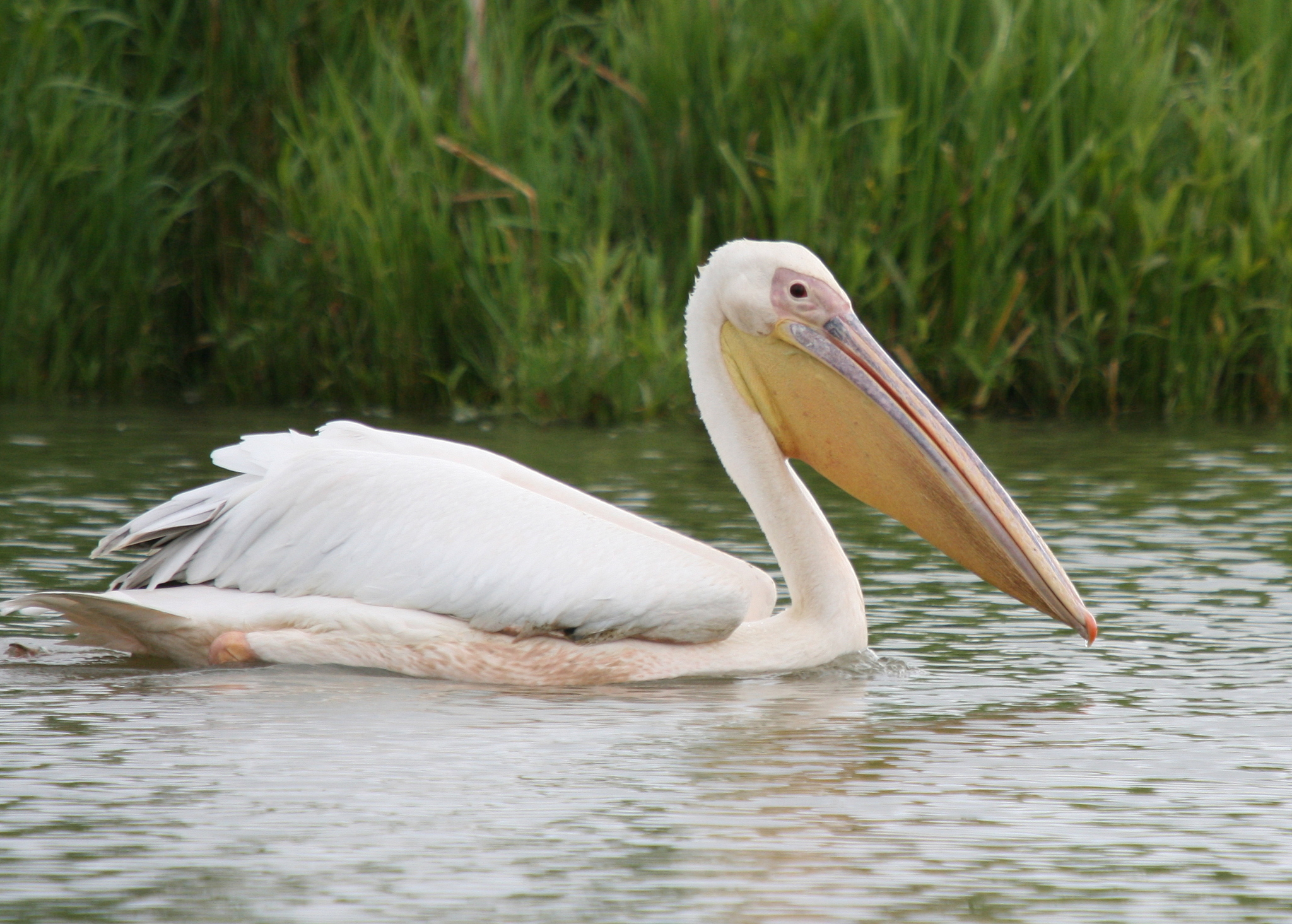
Great White Pelican (Pelecanus onocrotalus) Great White Pelican

Media

Loading…

In short

The Ruff and Great White Pelican are easily distinguishable by size and structure. The Ruff is a medium-sized wader with a slender bill, while the Great White Pelican is a large waterbird with a massive bill and a distinctive throat pouch.

Identification tips

  1. Size and Structure: The massive size and large bill of the Great White Pelican are unmistakable compared to the much smaller Ruff. 2. Plumage: Look for the predominantly white plumage of the pelican with black wingtips, versus the mottled appearance of the Ruff. 3. Habitat and Behavior: Note the habitat; pelicans are often in larger bodies of water, while Ruffs frequent wetlands and mudflats. 4. Group Behavior: Pelicans often fish cooperatively in groups, unlike the solitary foraging of Ruffs.

Size

The Ruff is much smaller, typically around 20–30 cm in length, compared to the Great White Pelican, which can reach up to 180 cm.

Plumage

Ruffs have variable plumage, often with mottled brown and white patterns, especially in non-breeding plumage. Great White Pelicans are primarily white with black flight feathers visible in flight.

Behaviour

Ruffs are often seen foraging in shallow waters or mudflats, moving quickly and probing with their bills. Great White Pelicans are more likely to be seen swimming in groups, using cooperative fishing techniques.

Habitat

Ruffs are typically found in wetlands, marshes, and mudflats. Great White Pelicans prefer large lakes, estuaries, and coastal waters.

Voice

Ruffs are generally quiet, with occasional soft calls. Great White Pelicans can produce deep, guttural sounds, especially during breeding season.

Submit a better description

Use the same sections as the comparison. Your text is published immediately.

The Ruff and Great White Pelican are easily distinguishable by size and structure. The Ruff is a medium-sized wader with a slender bill, while the Great White Pelican is a large waterbird with a massive bill and a distinctive throat pouch.

  1. Size and Structure: The massive size and large bill of the Great White Pelican are unmistakable compared to the much smaller Ruff. 2. Plumage: Look for the predominantly white plumage of the pelican with black wingtips, versus the mottled appearance of the Ruff. 3. Habitat and Behavior: Note the habitat; pelicans are often in larger bodies of water, while Ruffs frequent wetlands and mudflats. 4. Group Behavior: Pelicans often fish cooperatively in groups, unlike the solitary foraging of Ruffs.

The Ruff is much smaller, typically around 20–30 cm in length, compared to the Great White Pelican, which can reach up to 180 cm.

Ruffs have variable plumage, often with mottled brown and white patterns, especially in non-breeding plumage. Great White Pelicans are primarily white with black flight feathers visible in flight.

Ruffs are often seen foraging in shallow waters or mudflats, moving quickly and probing with their bills. Great White Pelicans are more likely to be seen swimming in groups, using cooperative fishing techniques.

Ruffs are typically found in wetlands, marshes, and mudflats. Great White Pelicans prefer large lakes, estuaries, and coastal waters.

Ruffs are generally quiet, with occasional soft calls. Great White Pelicans can produce deep, guttural sounds, especially during breeding season.

Discard your changes?

You have unsaved edits. If you leave now, those changes will be lost.

Ruff · Great White Pelican · My Tricky Birds