
Ruffed Grouse vs Spruce Grouse
Bonasa umbellus versus Canachites canadensis
Play a quiz with Ruffed Grouse and Spruce Grouse
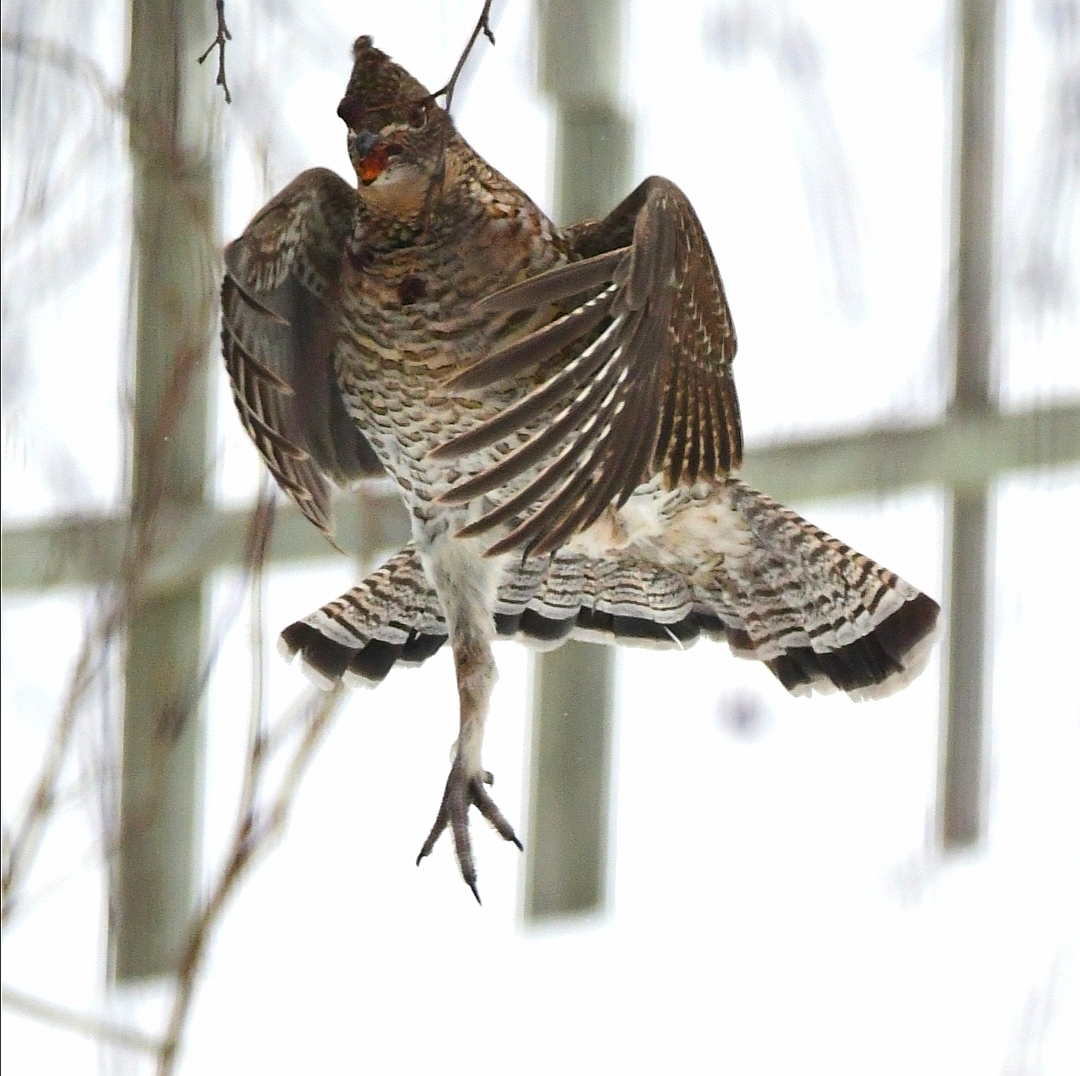 Ruffed Grouse
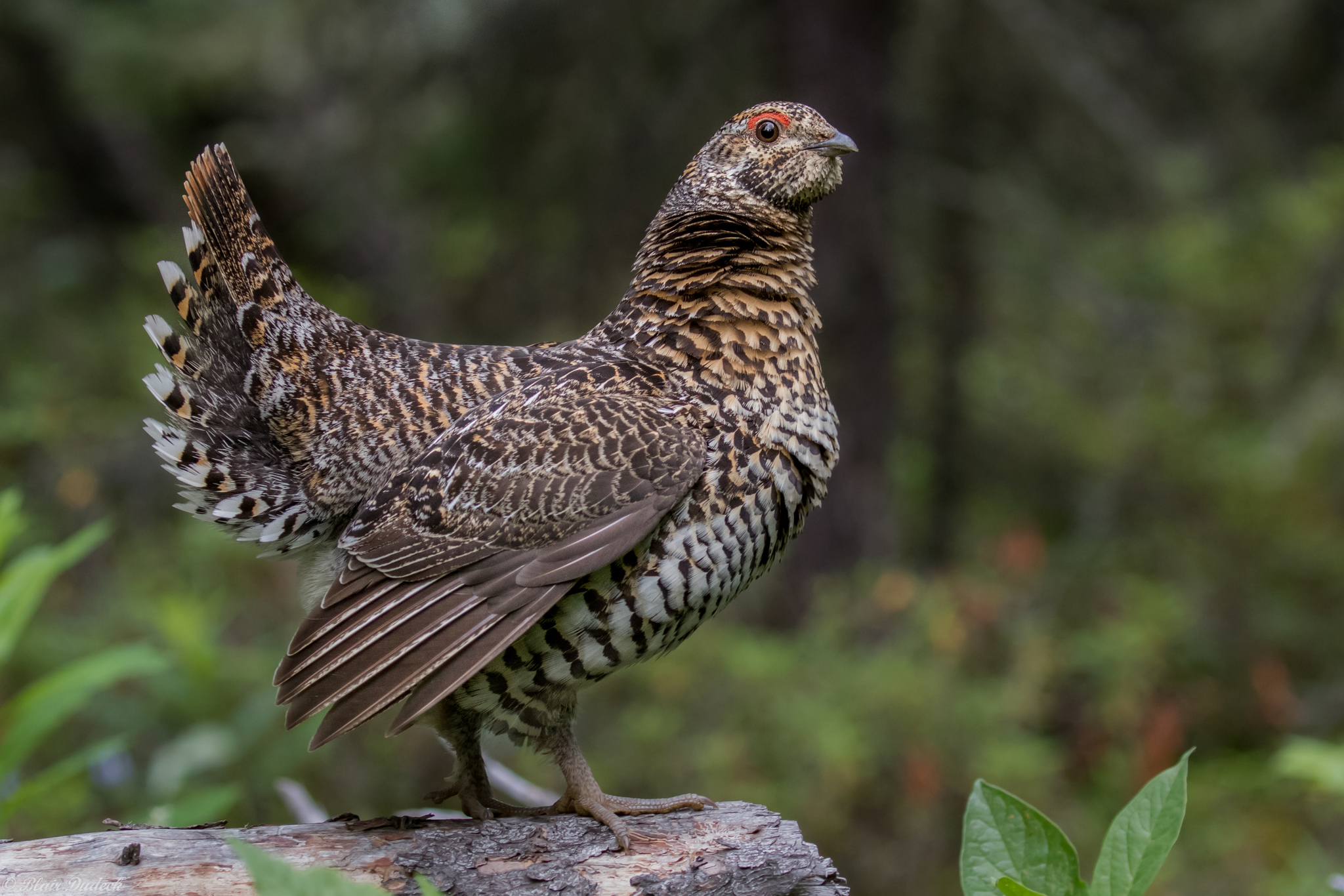 Spruce Grouse
In short
The Ruffed Grouse and Spruce Grouse are both medium-sized, cryptically colored birds of the forest, but they can be distinguished by habitat preference and plumage details. Ruffed Grouse are known for their distinctive drumming display, while Spruce Grouse are more often found in coniferous forests and have a more uniform plumage.
Identification tips
- Habitat: Look for Ruffed Grouse in mixed or deciduous forests and Spruce Grouse in coniferous forests.
- Plumage: Check for the neck ruff and tail band in Ruffed Grouse; Spruce Grouse are more uniformly dark.
- Behavior: Listen for the drumming of Ruffed Grouse in spring; Spruce Grouse are more likely to be silent and rely on camouflage.
Size
Both species are similar in size, but the Ruffed Grouse tends to be slightly larger and bulkier than the Spruce Grouse.
Plumage
Ruffed Grouse have a mottled gray or red-brown plumage with a prominent dark band near the tail tip and a ruff of feathers on the neck. Spruce Grouse are generally darker with a more uniform plumage and lack the distinct neck ruff. Franklin's Spruce Grouse, a subspecies, may show white spotting on the underparts.
Behaviour
Ruffed Grouse are known for their drumming display, especially in spring, while Spruce Grouse are more secretive and rely on camouflage. Both species are ground-dwelling and can be seen foraging on the forest floor.
Habitat
Ruffed Grouse prefer deciduous or mixed forests and are often found in areas with dense undergrowth. Spruce Grouse are more closely associated with coniferous forests, particularly those dominated by spruce and pine.
Voice
Ruffed Grouse are best known for their drumming sound, while Spruce Grouse are generally quieter, with no distinctive vocalizations noted.