Birdr

Rufous-backed Sibia vs Emei Shan Liocichla

Leioptila annectens versus Liocichla omeiensis

Play a quiz with Rufous-backed Sibia and Emei Shan Liocichla
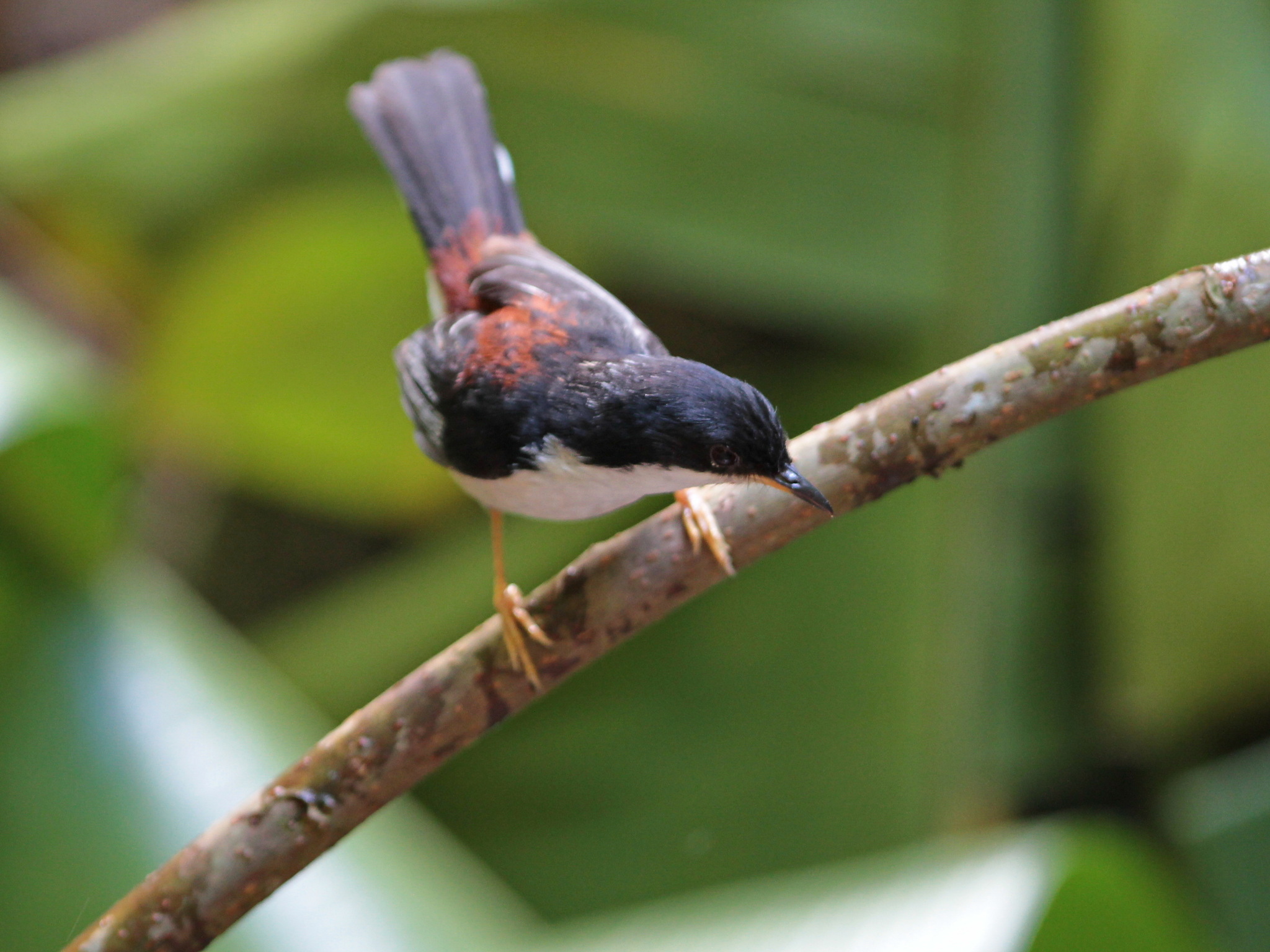
Rufous-backed Sibia (Leioptila annectens) Rufous-backed Sibia
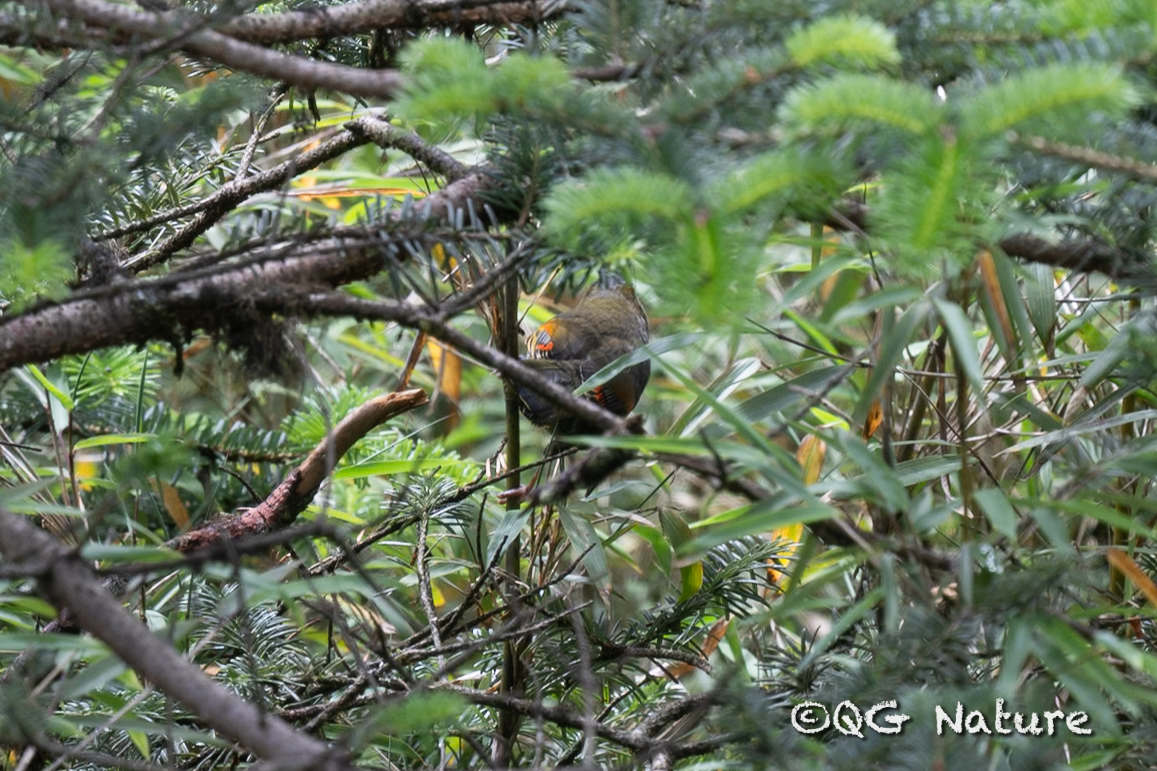
Emei Shan Liocichla (Liocichla omeiensis) Emei Shan Liocichla

Media

Loading…

In short

The Rufous-backed Sibia and Emei Shan Liocichla are both members of the Laughingthrush family, but they can be distinguished by their plumage and vocalizations. The Rufous-backed Sibia has a more uniform rufous back, while the Emei Shan Liocichla features distinctive red and yellow patches on its wings and face.

Identification tips

Look for the uniform rufous back of the Rufous-backed Sibia versus the red and yellow patches on the wings and face of the Emei Shan Liocichla. Listen for differences in vocalizations if possible, as these can be distinctive. Observe the habitat; while both prefer montane forests, their specific ranges may help with identification.

Size

Both species are similar in size, typical of medium-sized passerines, but precise measurements are not provided.

Plumage

The Rufous-backed Sibia has a predominantly rufous back and a more uniform coloration. In contrast, the Emei Shan Liocichla is notable for its red and yellow wing patches and a more colorful face, which includes a red eye-ring and yellowish cheeks.

Behaviour

Both species are active and often found in pairs or small groups, but specific behavioral differences are not well-documented.

Habitat

Both species inhabit montane forests, but the Rufous-backed Sibia is more widespread across its range, while the Emei Shan Liocichla is more localized to specific montane regions.

Voice

The vocalizations of both species are not well-documented in the notes, but they likely differ as is common among closely related species.

Submit a better description

Use the same sections as the comparison. Your text is published immediately.

The Rufous-backed Sibia and Emei Shan Liocichla are both members of the Laughingthrush family, but they can be distinguished by their plumage and vocalizations. The Rufous-backed Sibia has a more uniform rufous back, while the Emei Shan Liocichla features distinctive red and yellow patches on its wings and face.

Look for the uniform rufous back of the Rufous-backed Sibia versus the red and yellow patches on the wings and face of the Emei Shan Liocichla. Listen for differences in vocalizations if possible, as these can be distinctive. Observe the habitat; while both prefer montane forests, their specific ranges may help with identification.

Both species are similar in size, typical of medium-sized passerines, but precise measurements are not provided.

The Rufous-backed Sibia has a predominantly rufous back and a more uniform coloration. In contrast, the Emei Shan Liocichla is notable for its red and yellow wing patches and a more colorful face, which includes a red eye-ring and yellowish cheeks.

Both species are active and often found in pairs or small groups, but specific behavioral differences are not well-documented.

Both species inhabit montane forests, but the Rufous-backed Sibia is more widespread across its range, while the Emei Shan Liocichla is more localized to specific montane regions.

The vocalizations of both species are not well-documented in the notes, but they likely differ as is common among closely related species.

Discard your changes?

You have unsaved edits. If you leave now, those changes will be lost.

Rufous-backed Sibia · Emei Shan Liocichla · My Tricky Birds