
Rufous-browed Conebill vs Chestnut-bellied Flowerpiercer
Conirostrum rufum versus Diglossa gloriosissima
Play a quiz with Rufous-browed Conebill and Chestnut-bellied Flowerpiercer
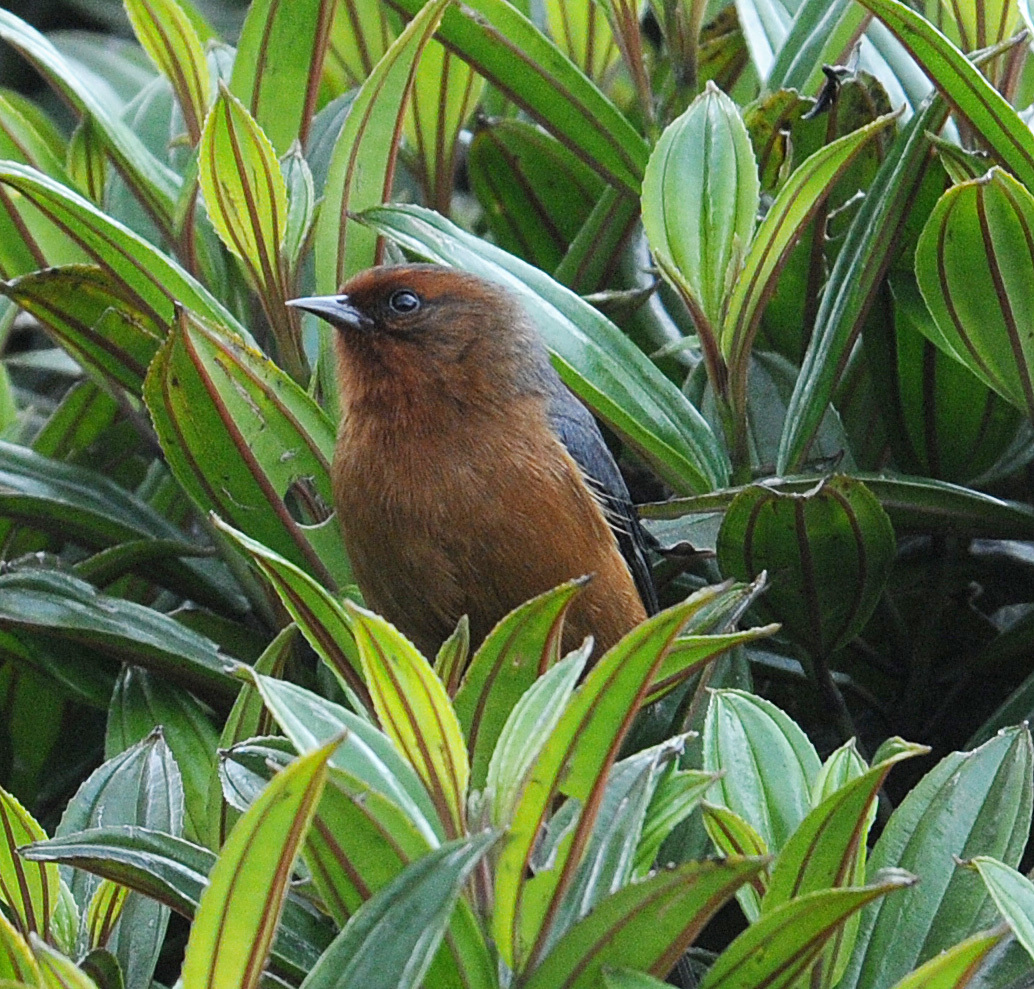 Rufous-browed Conebill
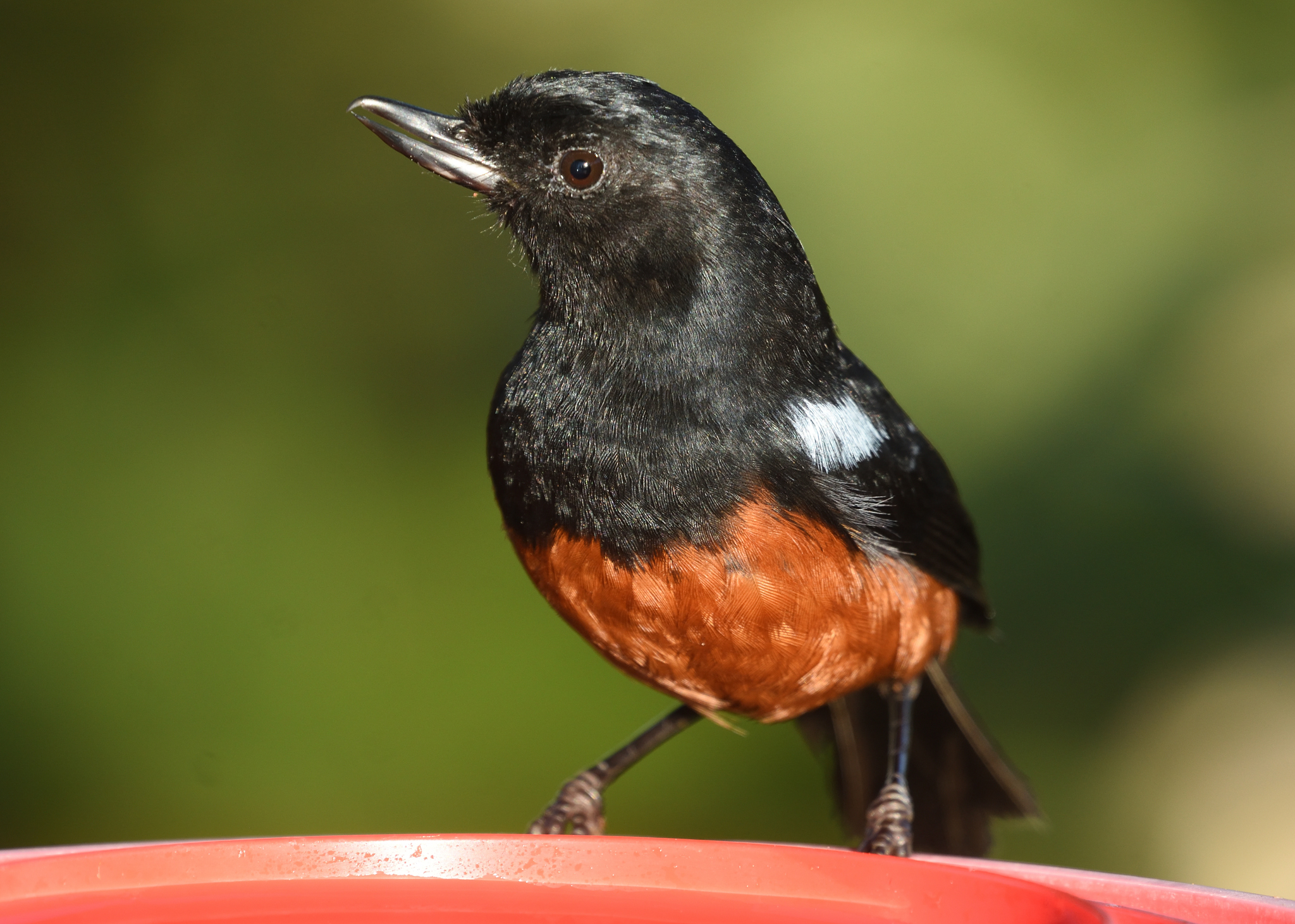 Chestnut-bellied Flowerpiercer
In short
To distinguish the Rufous-browed Conebill from the Chestnut-bellied Flowerpiercer, focus on the bill shape and plumage. The Rufous-browed Conebill has a more conical bill, while the Chestnut-bellied Flowerpiercer features a distinctively hooked bill. Plumage differences are also notable, with the Rufous-browed Conebill showing a rufous brow and the Chestnut-bellied Flowerpiercer having a chestnut belly.
Identification tips
- Bill shape: Look for the conical bill of the Rufous-browed Conebill versus the hooked bill of the Chestnut-bellied Flowerpiercer. 2. Plumage: Note the rufous brow on the Rufous-browed Conebill and the chestnut belly on the Chestnut-bellied Flowerpiercer. 3. Habitat: Consider the elevation and habitat type; the Flowerpiercer is more likely at higher altitudes. 4. Behavior: Observe feeding behavior; the Flowerpiercer may probe flowers.
Size
Both species are similar in size, typical of small tanagers.
Plumage
The Rufous-browed Conebill has a rufous brow and generally more subdued coloration. In contrast, the Chestnut-bellied Flowerpiercer is notable for its chestnut-colored belly and darker overall appearance.
Behaviour
Both species are active and often found in mixed-species flocks, but the Chestnut-bellied Flowerpiercer may be seen probing flowers with its hooked bill.
Habitat
The Rufous-browed Conebill is typically found in montane forests and edges, while the Chestnut-bellied Flowerpiercer inhabits high-altitude shrublands and paramo.
Voice
Vocalizations are not well-documented for field differentiation, but the Rufous-browed Conebill's calls are generally simpler.
Rufous-browed Conebill · Chestnut-bellied Flowerpiercer · My Tricky Birds