
Rufous Nightjar vs Long-tailed Potoo
Antrostomus rufus versus Nyctibius aethereus
Play a quiz with Rufous Nightjar and Long-tailed Potoo
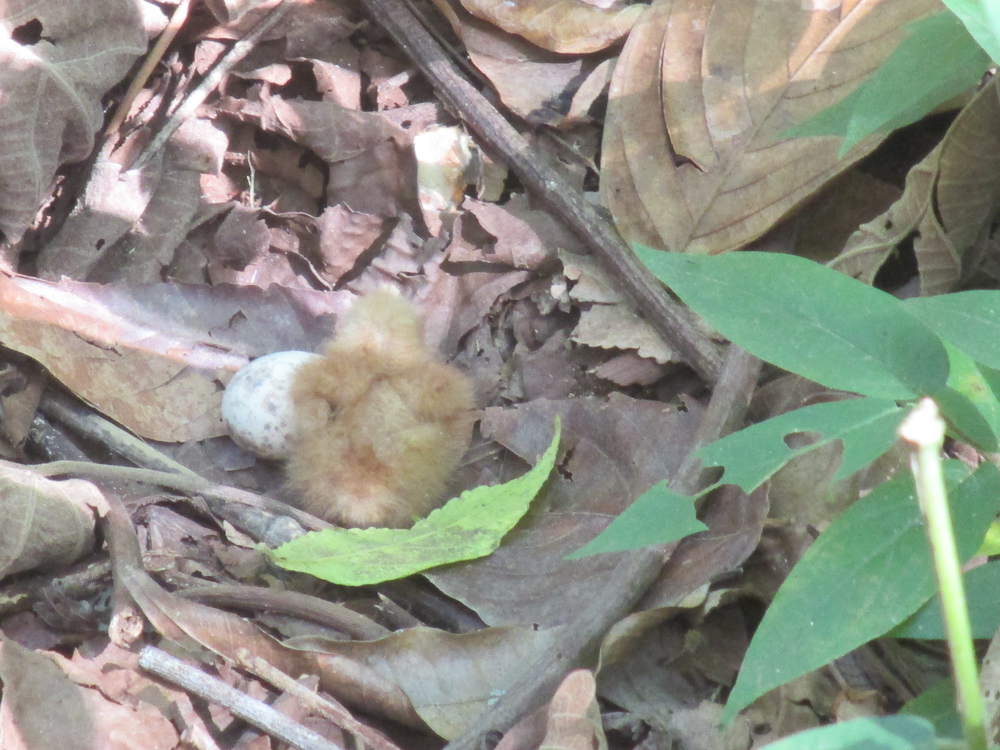 Rufous Nightjar
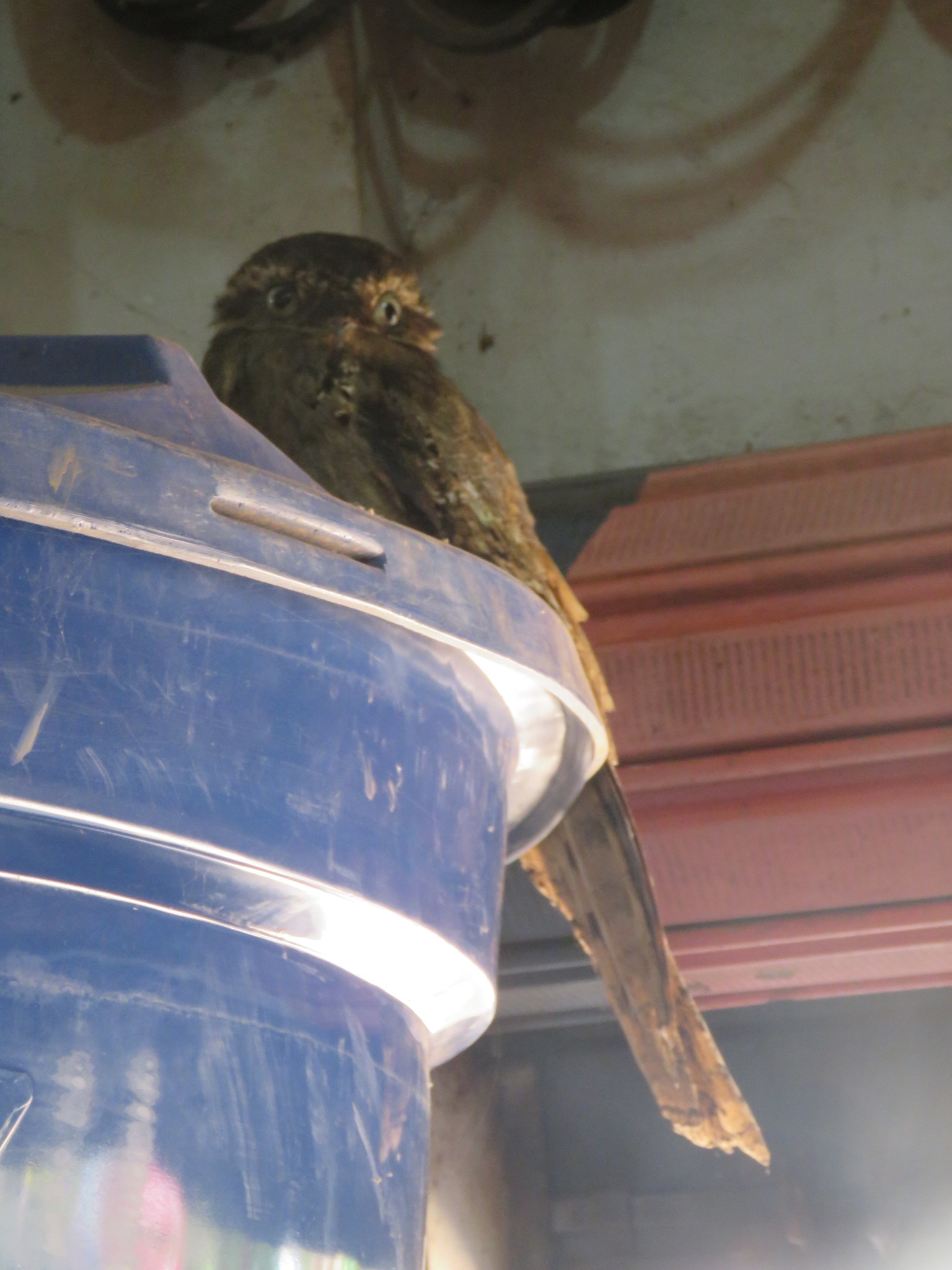 Long-tailed Potoo
In short
The Rufous Nightjar and Long-tailed Potoo are both nocturnal birds, but they differ significantly in structure and behavior. The Rufous Nightjar is a small, compact nightjar with a rufous tone, while the Long-tailed Potoo is larger, with a distinctive long tail and cryptic plumage that aids in camouflage.
Identification tips
- Size and Shape: Use size and tail length to differentiate; Long-tailed Potoo is larger with a longer tail. 2. Plumage: Look for the rufous tones in Rufous Nightjar, versus the cryptic, bark-like pattern of the Long-tailed Potoo. 3. Behavior: Note the flight behavior of the Rufous Nightjar at dawn/dusk, compared to the stationary, camouflaged posture of the Long-tailed Potoo during the day. 4. Habitat: Consider the habitat; Rufous Nightjar in open areas, Long-tailed Potoo in dense forests. 5. Calls: Listen for the repetitive call of the Rufous Nightjar versus the haunting call of the Long-tailed Potoo.
Size
The Long-tailed Potoo is notably larger than the Rufous Nightjar, with a more elongated body and longer tail.
Plumage
Rufous Nightjar has a predominantly rufous plumage with intricate patterns, whereas the Long-tailed Potoo has a more cryptic, mottled brown and gray plumage that blends well with tree bark.
Behaviour
Rufous Nightjars are more likely to be seen flying low at dusk or dawn, while Long-tailed Potoos often remain motionless during the day, mimicking tree branches.
Habitat
Rufous Nightjar is found in open woodlands and forest edges in Central and South America, while the Long-tailed Potoo prefers dense, humid forests in the Amazon Basin.
Voice
Rufous Nightjar has a distinctive, repetitive call, whereas the Long-tailed Potoo's vocalizations are more haunting and less frequent.