Birdr

Russet Sparrow vs Plain-backed Sparrow

Passer cinnamomeus versus Passer flaveolus

Play a quiz with Russet Sparrow and Plain-backed Sparrow
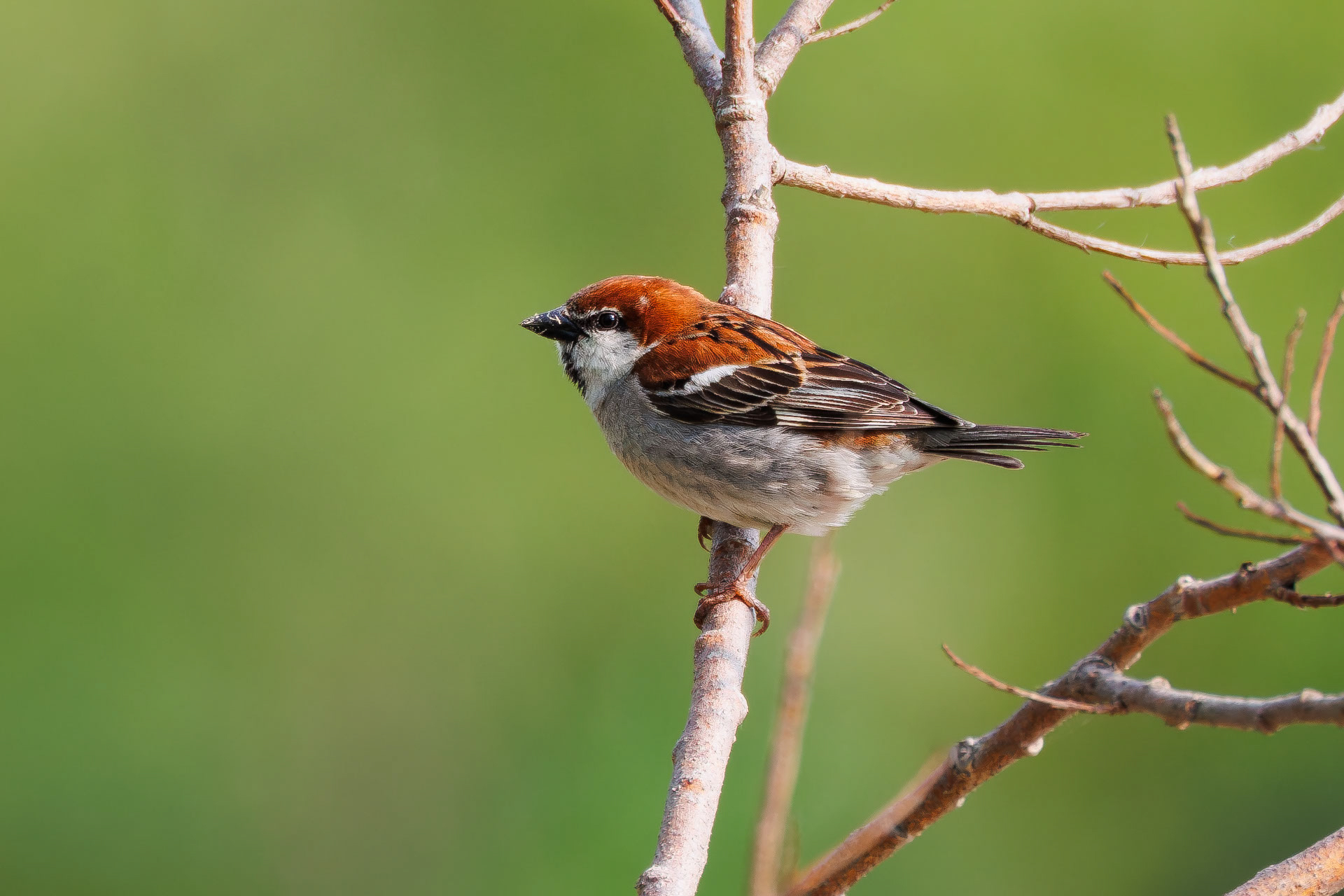
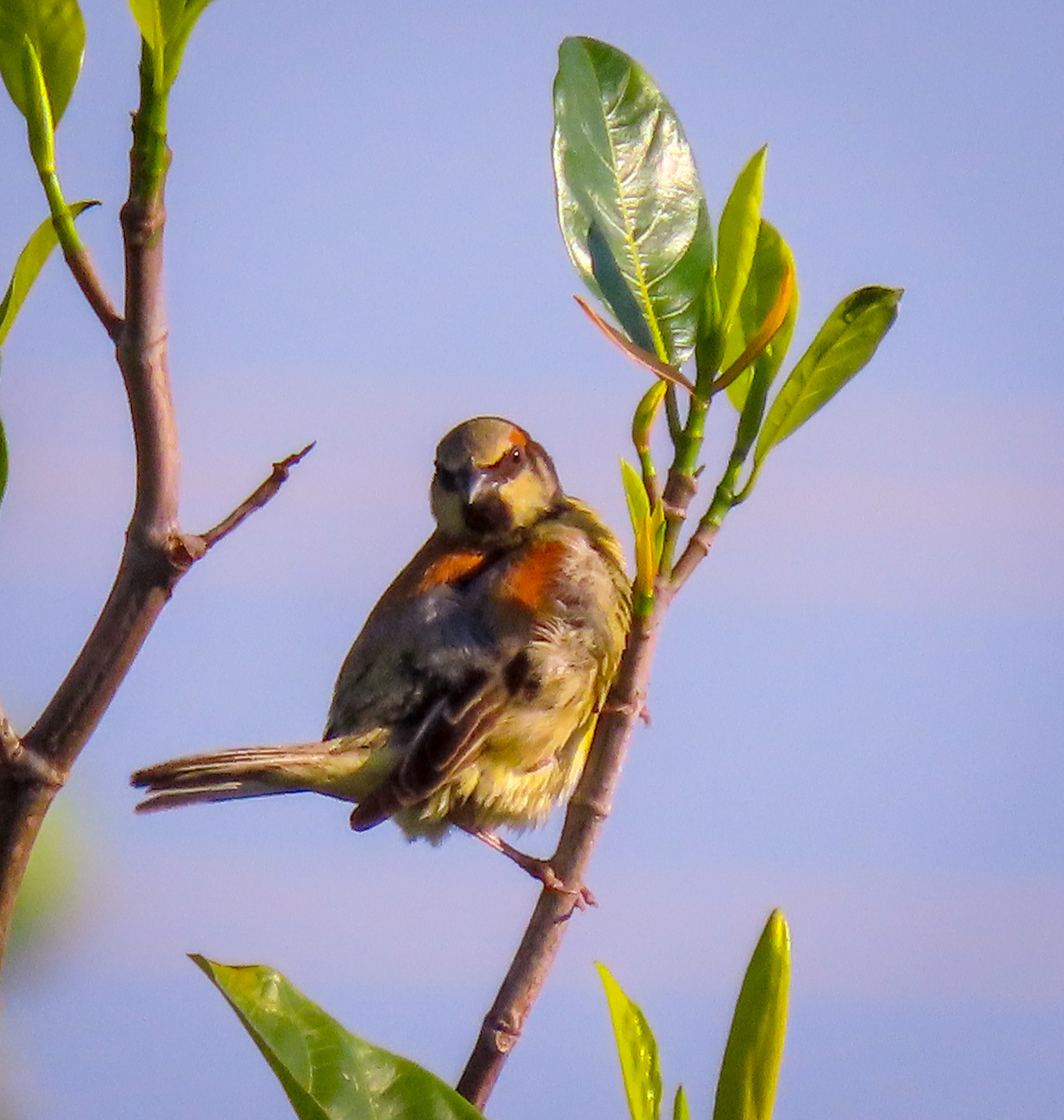
Russet Sparrow (Passer cinnamomeus) Russet Sparrow
Plain-backed Sparrow (Passer flaveolus) Plain-backed Sparrow

Media

Loading…

In short

The Russet Sparrow and Plain-backed Sparrow can be challenging to distinguish, but key differences in plumage and habitat preferences can help. The Russet Sparrow typically shows more rufous tones, while the Plain-backed Sparrow has a plainer back as its name suggests.

Identification tips

  1. Look for the rufous tones on the back and head of the Russet Sparrow, especially in males. 2. Check the back color: the Plain-backed Sparrow has a more uniform and less contrasting back. 3. Consider the habitat: Russet Sparrows are more likely in open areas, while Plain-backed Sparrows prefer wooded edges.

Size

Both species are similar in size, typical of small sparrows, with no significant size difference to aid identification.

Plumage

The Russet Sparrow has a more pronounced rufous or cinnamon tone on its upperparts, especially in males, while the Plain-backed Sparrow has a more uniform and less contrasting back, lacking the strong rufous tones.

Behaviour

Both species exhibit typical sparrow behavior, often found in flocks and feeding on the ground. Behavior is not a reliable differentiator.

Habitat

The Russet Sparrow is often found in more open and rural areas, whereas the Plain-backed Sparrow tends to prefer forest edges and more wooded environments.

Voice

Vocalizations are similar and not a reliable field mark for distinguishing these two species.

Submit a better description

Use the same sections as the comparison. Your text is published immediately.

The Russet Sparrow and Plain-backed Sparrow can be challenging to distinguish, but key differences in plumage and habitat preferences can help. The Russet Sparrow typically shows more rufous tones, while the Plain-backed Sparrow has a plainer back as its name suggests.

  1. Look for the rufous tones on the back and head of the Russet Sparrow, especially in males. 2. Check the back color: the Plain-backed Sparrow has a more uniform and less contrasting back. 3. Consider the habitat: Russet Sparrows are more likely in open areas, while Plain-backed Sparrows prefer wooded edges.

Both species are similar in size, typical of small sparrows, with no significant size difference to aid identification.

The Russet Sparrow has a more pronounced rufous or cinnamon tone on its upperparts, especially in males, while the Plain-backed Sparrow has a more uniform and less contrasting back, lacking the strong rufous tones.

Both species exhibit typical sparrow behavior, often found in flocks and feeding on the ground. Behavior is not a reliable differentiator.

The Russet Sparrow is often found in more open and rural areas, whereas the Plain-backed Sparrow tends to prefer forest edges and more wooded environments.

Vocalizations are similar and not a reliable field mark for distinguishing these two species.

Discard your changes?

You have unsaved edits. If you leave now, those changes will be lost.

Russet Sparrow · Plain-backed Sparrow · My Tricky Birds