
Sabine's Gull vs Atlantic Yellow-nosed Albatross
Xema sabini versus Thalassarche chlororhynchos
Play a quiz with Sabine's Gull and Atlantic Yellow-nosed Albatross
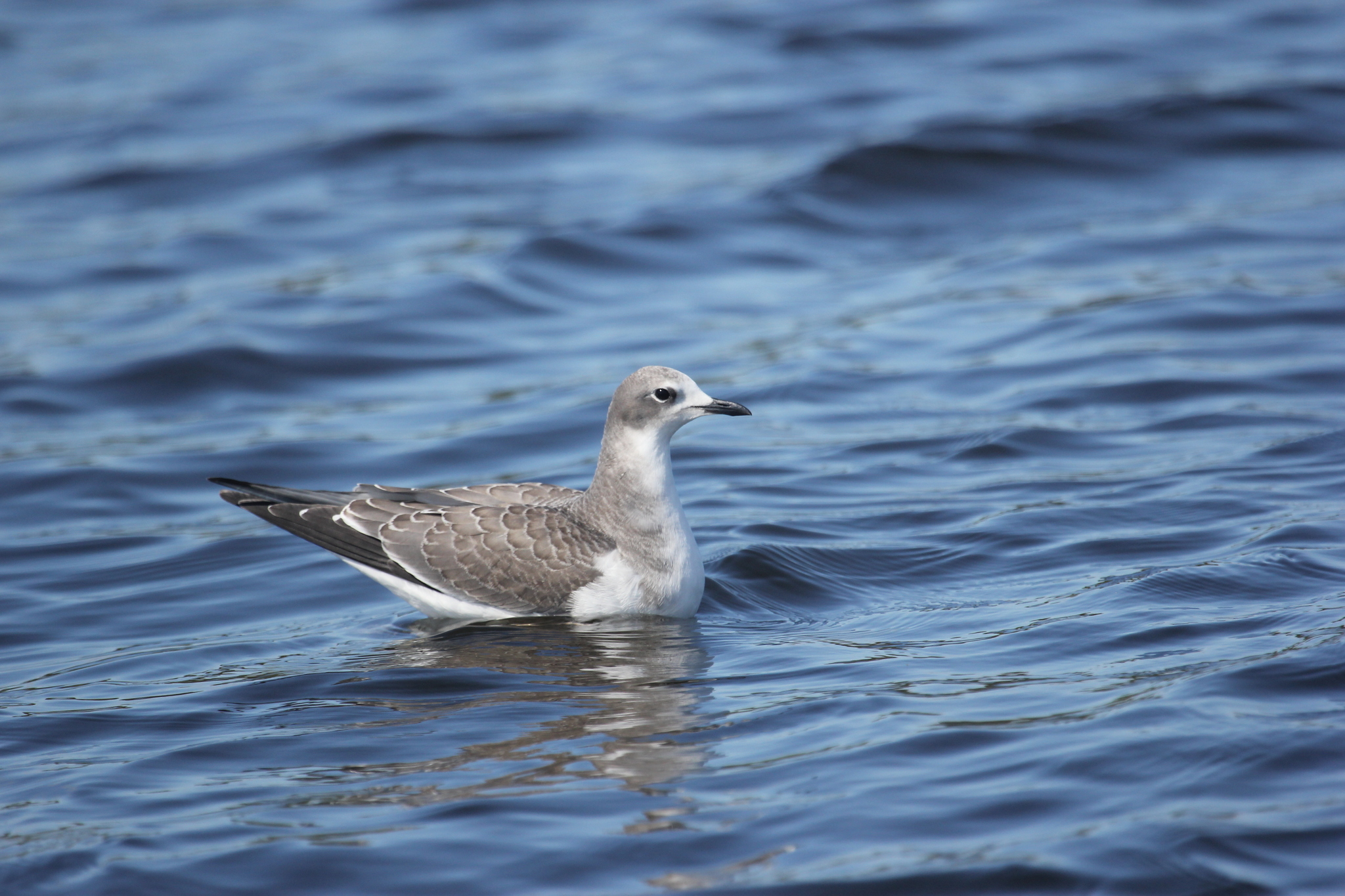 Sabine's Gull
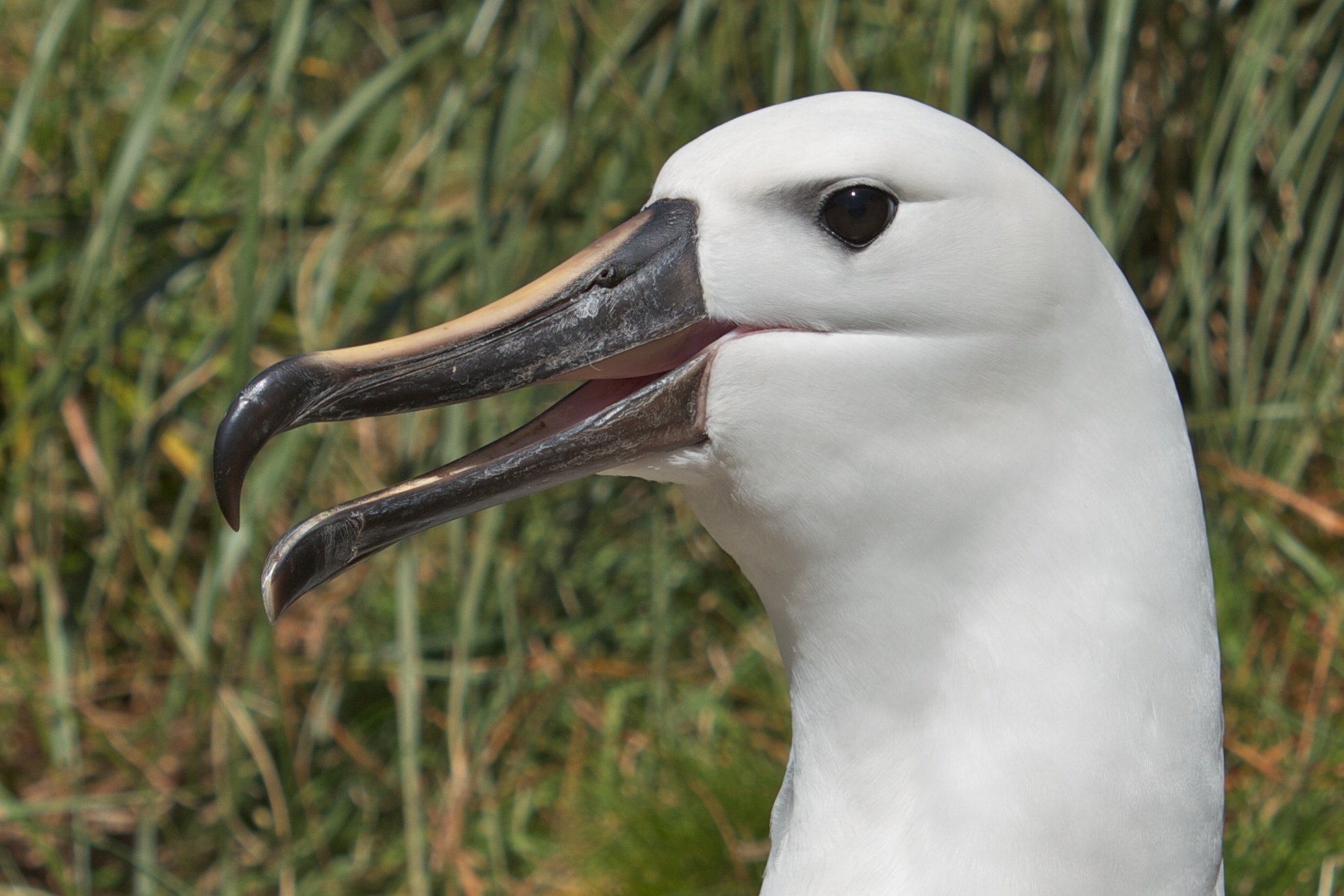 Atlantic Yellow-nosed Albatross
In short
Sabine's Gull and Atlantic Yellow-nosed Albatross are distinct in size and structure, with the gull being much smaller and having a unique black bill with a yellow tip. The albatross is a large seabird with a long wingspan and a more robust body.
Identification tips
- Size: Sabine's Gull is much smaller than the Atlantic Yellow-nosed Albatross. 2. Bill: Look for the black bill with a yellow tip on Sabine's Gull. 3. Tail: Sabine's Gull has a notched tail, unlike the albatross. 4. Habitat: Consider the habitat; Sabine's Gull is more coastal, while the albatross is usually seen over open ocean. 5. Behavior: Observe feeding behavior; Sabine's Gull may feed on mudflats, unlike the albatross.
Size
Sabine's Gull is a small gull, whereas the Atlantic Yellow-nosed Albatross is a large seabird with a wingspan that far exceeds that of the gull.
Plumage
Sabine's Gull has a distinctive black bill with a yellow tip and a notched tail. The Atlantic Yellow-nosed Albatross has a grey head, white body, and a yellow stripe on its bill, lacking the notched tail.
Behaviour
Sabine's Gull exhibits behaviors similar to shorebirds and terns, such as distraction displays and feeding on mudflats. The albatross is known for its gliding flight over open oceans and does not display these behaviors.
Habitat
Sabine's Gull is often found in coastal and mudflat areas during breeding, while the Atlantic Yellow-nosed Albatross is pelagic, spending most of its life at sea.
Voice
Sabine's Gull has calls more similar to terns, while the Atlantic Yellow-nosed Albatross's vocalizations are typical of albatrosses, though specific details are not provided.
Sabine's Gull · Atlantic Yellow-nosed Albatross · My Tricky Birds