Birdr

Sabine's Gull vs Black-tailed Gull

Xema sabini versus Larus crassirostris

Play a quiz with Sabine's Gull and Black-tailed Gull
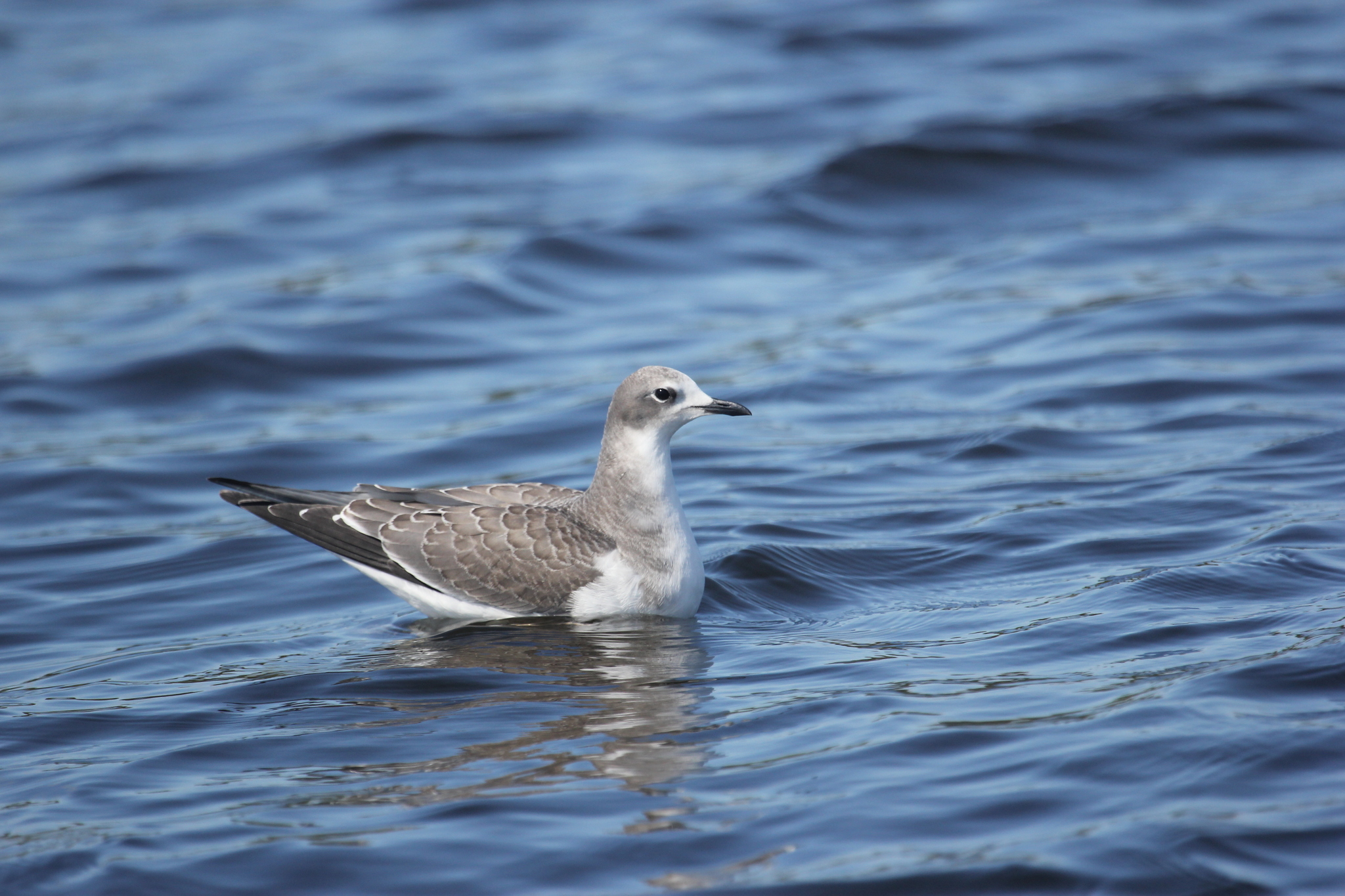
Sabine's Gull (Xema sabini) Sabine's Gull
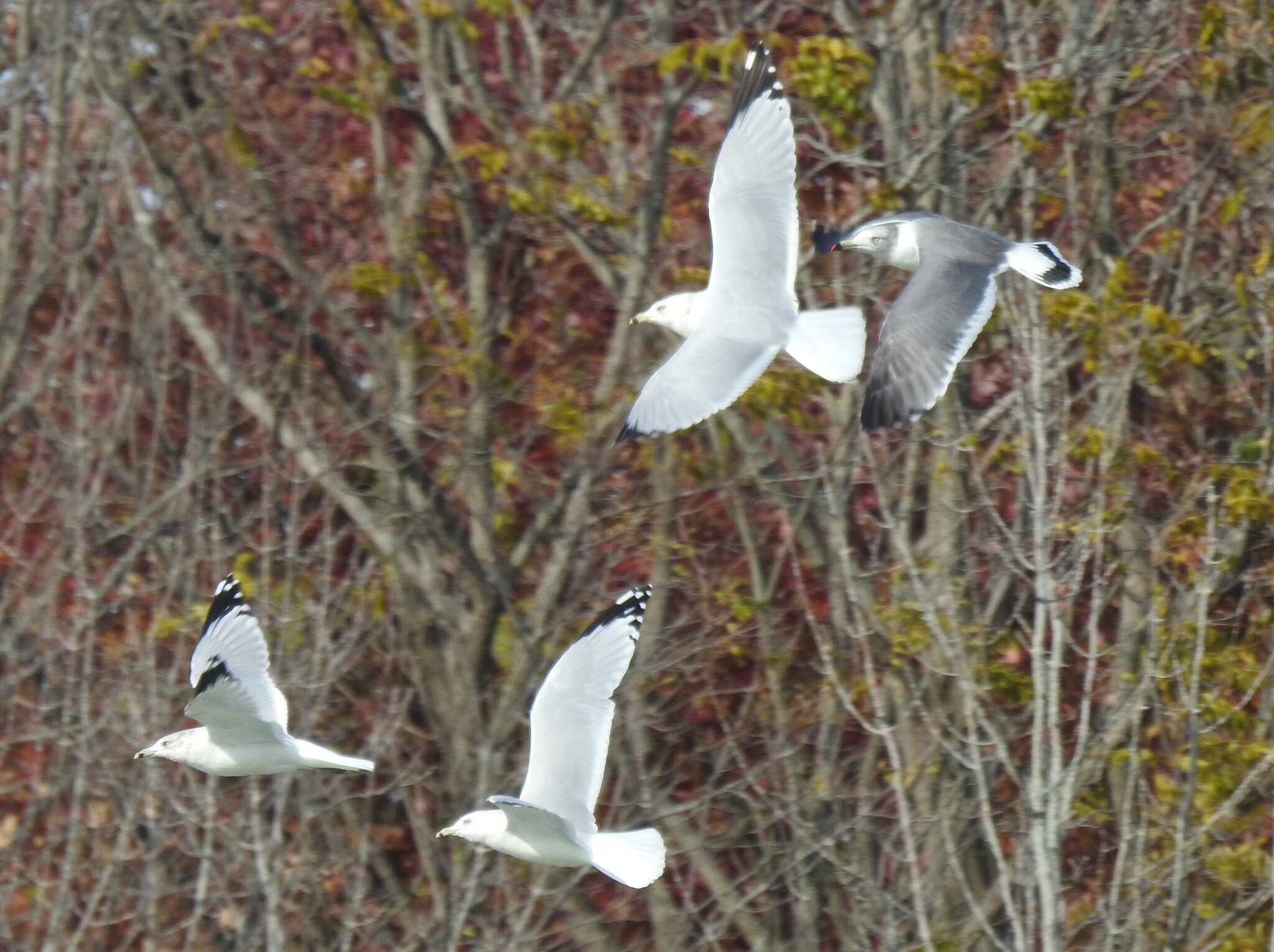
Black-tailed Gull (Larus crassirostris) Black-tailed Gull

Media

Loading…

In short

Sabine's Gull and Black-tailed Gull are both part of the Laridae family but differ in key field marks. Sabine's Gull is notable for its black bill with a yellow tip and distinctive notched tail, while the Black-tailed Gull has a more typical gull appearance with a black tail band.

Identification tips

1. Bill: Look for Sabine's Gull's black bill with a yellow tip. 2. Tail: Check for the notched tail in Sabine's Gull, absent in Black-tailed Gull. 3. Size: Note the smaller size of Sabine's Gull. 4. Plumage: Observe the distinct black, white, and gray pattern of Sabine's Gull versus the more uniform gray of Black-tailed Gull. 5. Behavior: Sabine's Gull may exhibit shorebird-like behavior, unlike the more typical gull behavior of Black-tailed Gull.

Size

Sabine's Gull is smaller and more delicate compared to the larger, more robust Black-tailed Gull.

Plumage

Sabine's Gull has a striking black, white, and gray plumage with a unique notched tail. In contrast, the Black-tailed Gull has a more uniform gray body with a black tail band and lacks the notched tail.

Behaviour

Sabine's Gull exhibits behaviors similar to shorebirds and terns, such as distraction displays and feeding on mudflats. Black-tailed Gull displays more typical gull-like behavior.

Habitat

Sabine's Gull is often found in Arctic breeding grounds and migrates to the ocean, while Black-tailed Gull is more coastal, found in East Asia.

Voice

Vocalizations are not detailed in the sources, but Sabine's Gull is noted to have tern-like calls.

Submit a better description

Use the same sections as the comparison. Your text is published immediately.

Sabine's Gull and Black-tailed Gull are both part of the Laridae family but differ in key field marks. Sabine's Gull is notable for its black bill with a yellow tip and distinctive notched tail, while the Black-tailed Gull has a more typical gull appearance with a black tail band.

1. Bill: Look for Sabine's Gull's black bill with a yellow tip. 2. Tail: Check for the notched tail in Sabine's Gull, absent in Black-tailed Gull. 3. Size: Note the smaller size of Sabine's Gull. 4. Plumage: Observe the distinct black, white, and gray pattern of Sabine's Gull versus the more uniform gray of Black-tailed Gull. 5. Behavior: Sabine's Gull may exhibit shorebird-like behavior, unlike the more typical gull behavior of Black-tailed Gull.

Sabine's Gull is smaller and more delicate compared to the larger, more robust Black-tailed Gull.

Sabine's Gull has a striking black, white, and gray plumage with a unique notched tail. In contrast, the Black-tailed Gull has a more uniform gray body with a black tail band and lacks the notched tail.

Sabine's Gull exhibits behaviors similar to shorebirds and terns, such as distraction displays and feeding on mudflats. Black-tailed Gull displays more typical gull-like behavior.

Sabine's Gull is often found in Arctic breeding grounds and migrates to the ocean, while Black-tailed Gull is more coastal, found in East Asia.

Vocalizations are not detailed in the sources, but Sabine's Gull is noted to have tern-like calls.

Discard your changes?

You have unsaved edits. If you leave now, those changes will be lost.

Sabine's Gull · Black-tailed Gull · My Tricky Birds