Birdr

Sakalava Weaver vs Forest Fody

Ploceus sakalava versus Foudia omissa

Play a quiz with Sakalava Weaver and Forest Fody
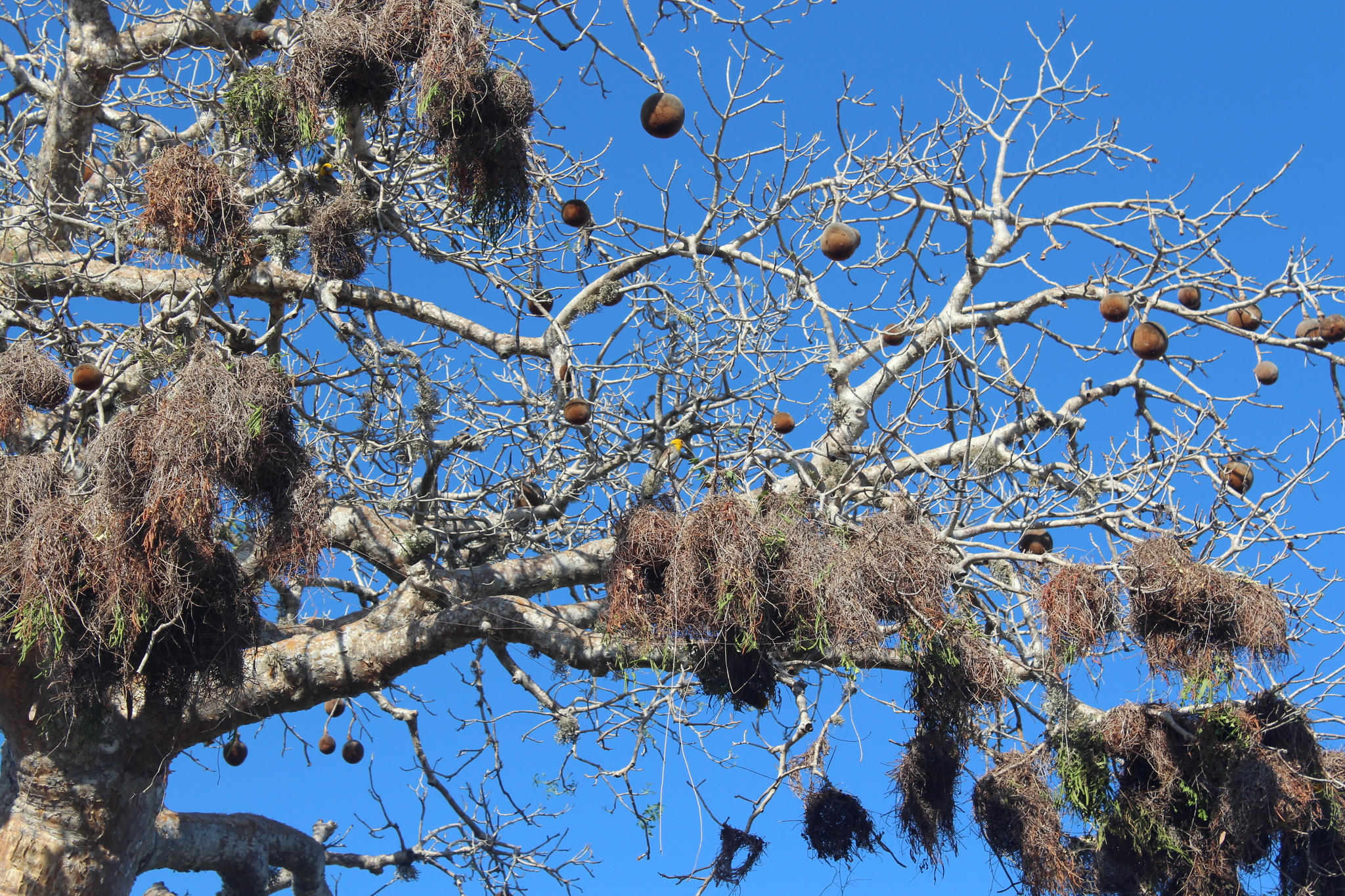
Sakalava Weaver (Ploceus sakalava) Sakalava Weaver
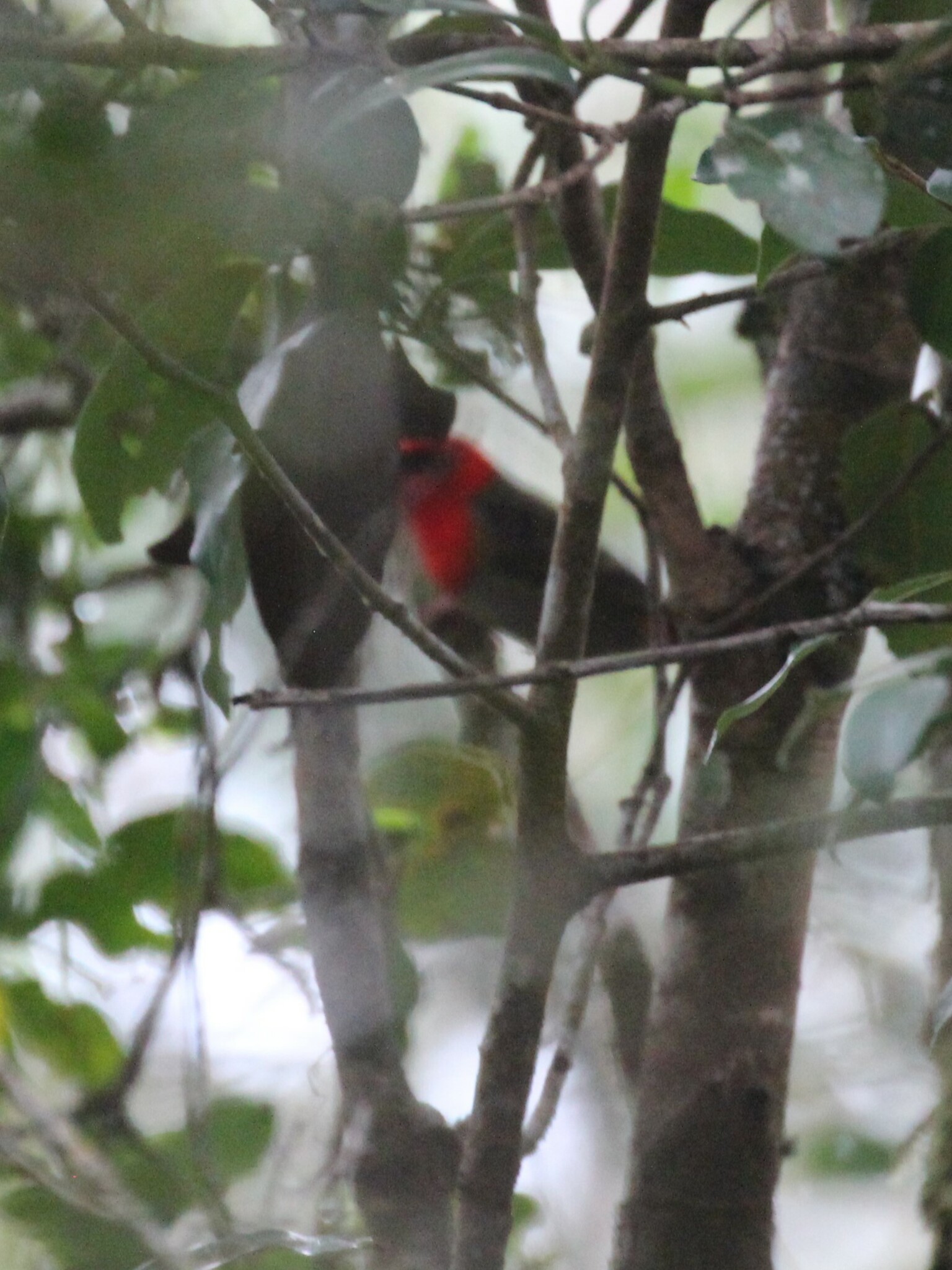
Forest Fody (Foudia omissa) Forest Fody

Media

Loading…

In short

The Sakalava Weaver and Forest Fody are both small passerines found in Madagascar, but they can be distinguished by their plumage and habitat preferences. The Sakalava Weaver typically shows a more uniform coloration with a distinctive yellow wash, while the Forest Fody is more vibrant with a striking red plumage. Habitat is a key differentiator, with the Sakalava Weaver favoring open areas and the Forest Fody more often found in forested environments.

Identification tips

  1. Plumage: Look for the bright red of the Forest Fody, especially in males, versus the more uniform yellow of the Sakalava Weaver. 2. Habitat: Note the environment; open areas suggest Sakalava Weaver, while forested areas suggest Forest Fody. 3. Behavior: Observe nesting behavior; colonial nest-building in open areas indicates Sakalava Weaver.

Size

Both species are similar in size, typical of small weavers, making size a less reliable differentiator.

Plumage

The Sakalava Weaver generally has a more subdued yellowish plumage, whereas the Forest Fody is notable for its bright red coloration, especially in males. Females of both species are less colorful, but the Forest Fody female still shows some red tones.

Behaviour

Both species exhibit typical weaver behavior, but the Sakalava Weaver is more likely to be seen in open areas weaving nests in colonies, while the Forest Fody is more solitary and elusive, often seen foraging in forested areas.

Habitat

The Sakalava Weaver is commonly found in open habitats such as savannas and grasslands, whereas the Forest Fody prefers dense forests and wooded areas.

Voice

Vocalizations are not a primary distinguishing feature, but the Sakalava Weaver's calls are generally simpler and less varied compared to the more complex and melodious songs of the Forest Fody.

Submit a better description

Use the same sections as the comparison. Your text is published immediately.

The Sakalava Weaver and Forest Fody are both small passerines found in Madagascar, but they can be distinguished by their plumage and habitat preferences. The Sakalava Weaver typically shows a more uniform coloration with a distinctive yellow wash, while the Forest Fody is more vibrant with a striking red plumage. Habitat is a key differentiator, with the Sakalava Weaver favoring open areas and the Forest Fody more often found in forested environments.

  1. Plumage: Look for the bright red of the Forest Fody, especially in males, versus the more uniform yellow of the Sakalava Weaver. 2. Habitat: Note the environment; open areas suggest Sakalava Weaver, while forested areas suggest Forest Fody. 3. Behavior: Observe nesting behavior; colonial nest-building in open areas indicates Sakalava Weaver.

Both species are similar in size, typical of small weavers, making size a less reliable differentiator.

The Sakalava Weaver generally has a more subdued yellowish plumage, whereas the Forest Fody is notable for its bright red coloration, especially in males. Females of both species are less colorful, but the Forest Fody female still shows some red tones.

Both species exhibit typical weaver behavior, but the Sakalava Weaver is more likely to be seen in open areas weaving nests in colonies, while the Forest Fody is more solitary and elusive, often seen foraging in forested areas.

The Sakalava Weaver is commonly found in open habitats such as savannas and grasslands, whereas the Forest Fody prefers dense forests and wooded areas.

Vocalizations are not a primary distinguishing feature, but the Sakalava Weaver's calls are generally simpler and less varied compared to the more complex and melodious songs of the Forest Fody.

Discard your changes?

You have unsaved edits. If you leave now, those changes will be lost.

Sakalava Weaver · Forest Fody · My Tricky Birds