
Sandhill Crane vs Carolina Chickadee
Antigone canadensis versus Poecile carolinensis
Play a quiz with Sandhill Crane and Carolina Chickadee
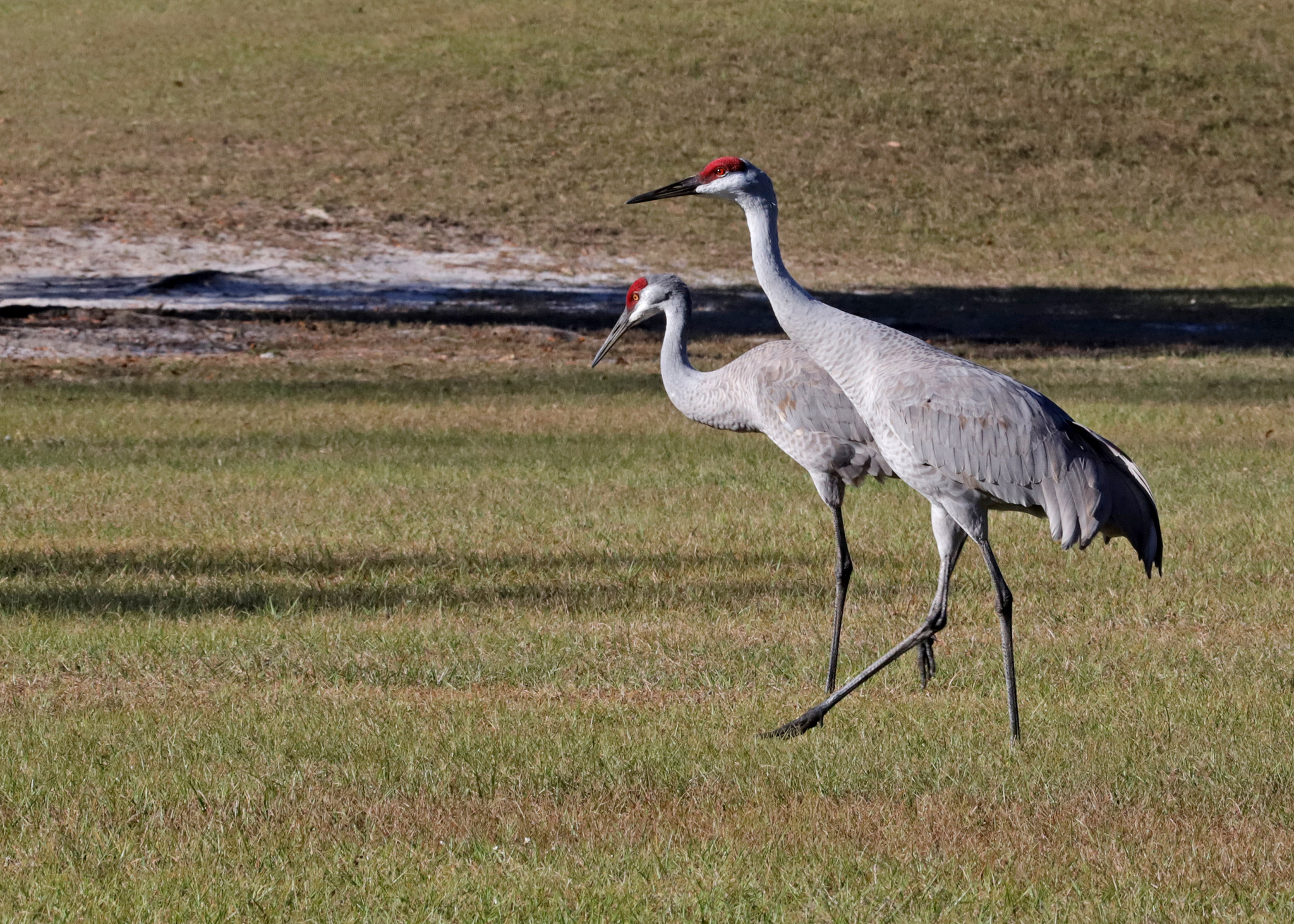 Sandhill Crane
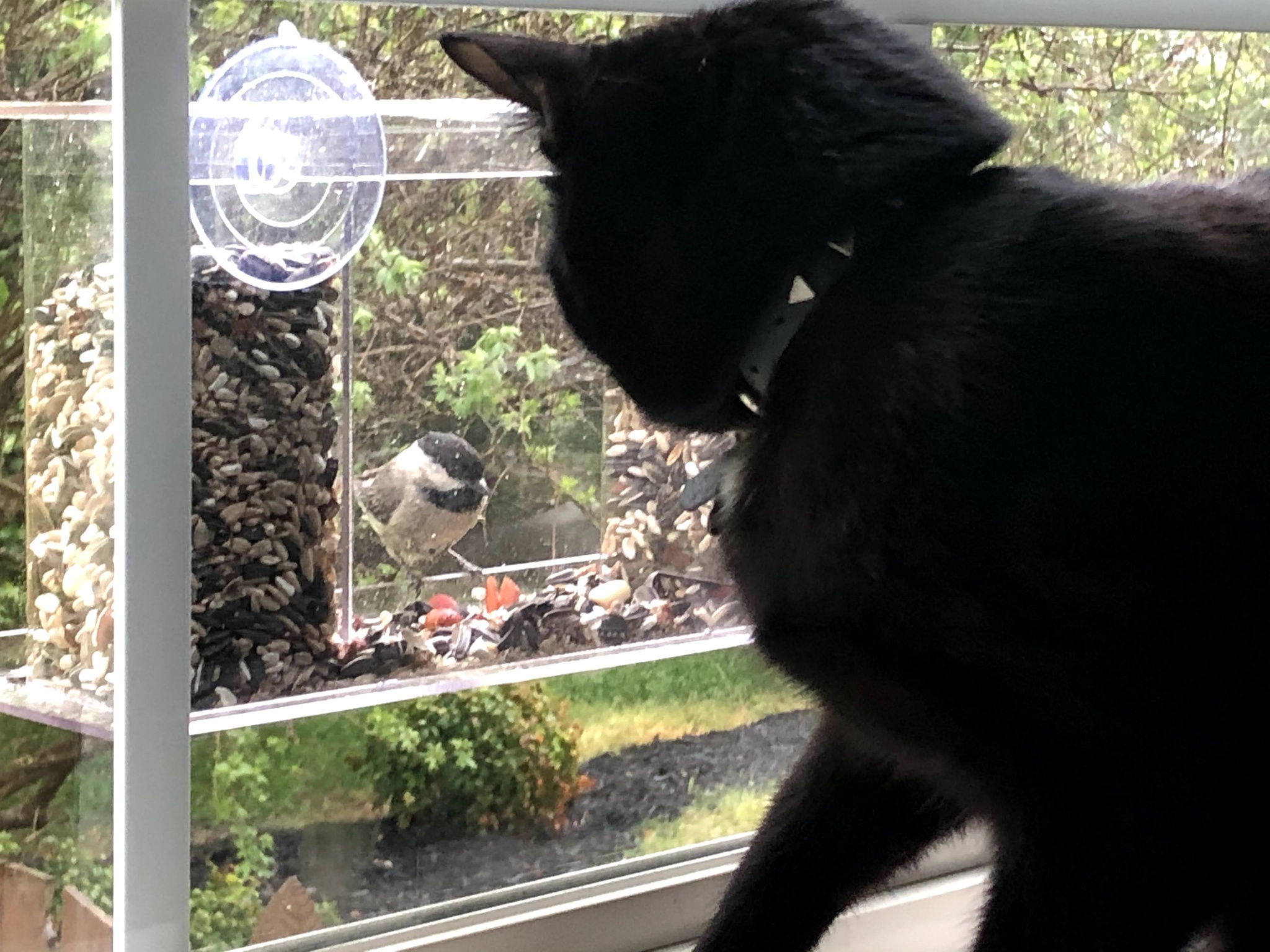 Carolina Chickadee
In short
The Sandhill Crane and Carolina Chickadee are vastly different in appearance and behavior, making them easy to distinguish. Sandhill Cranes are large, long-legged birds with gray plumage, while Carolina Chickadees are small, round-bodied birds with black caps and white cheeks. Their habitats and vocalizations also differ significantly.
Identification tips
- Size and Shape: Look for the large size and long legs of the Sandhill Crane compared to the small, round Carolina Chickadee. 2. Plumage: Note the gray body and red forehead of the crane versus the black cap and white cheeks of the chickadee. 3. Habitat: Observe the environment; cranes are in open fields or wetlands, while chickadees are in wooded areas. 4. Vocalization: Listen for the crane's trumpeting call versus the chickadee's 'chick-a-dee-dee-dee' call.
Size
Sandhill Cranes are much larger, standing about 4 feet tall, while Carolina Chickadees are small, only about 5 inches in length.
Plumage
Sandhill Cranes have predominantly gray plumage with a red forehead, whereas Carolina Chickadees have a distinctive black cap and bib with white cheeks and grayish wings and back.
Behaviour
Sandhill Cranes are often seen in pairs or flocks, foraging in open fields or wetlands. Carolina Chickadees are active and social, often found in small flocks, flitting through trees and shrubs.
Habitat
Sandhill Cranes prefer open wetlands and fields, while Carolina Chickadees are typically found in deciduous and mixed woodlands, as well as suburban areas.
Voice
Sandhill Cranes produce loud, trumpeting calls that can be heard from a distance. Carolina Chickadees have a distinctive 'chick-a-dee-dee-dee' call and a clear, whistled song.