Birdr

Say's Phoebe vs Dusky-capped Flycatcher

Sayornis saya versus Myiarchus tuberculifer

Play a quiz with Say's Phoebe and Dusky-capped Flycatcher
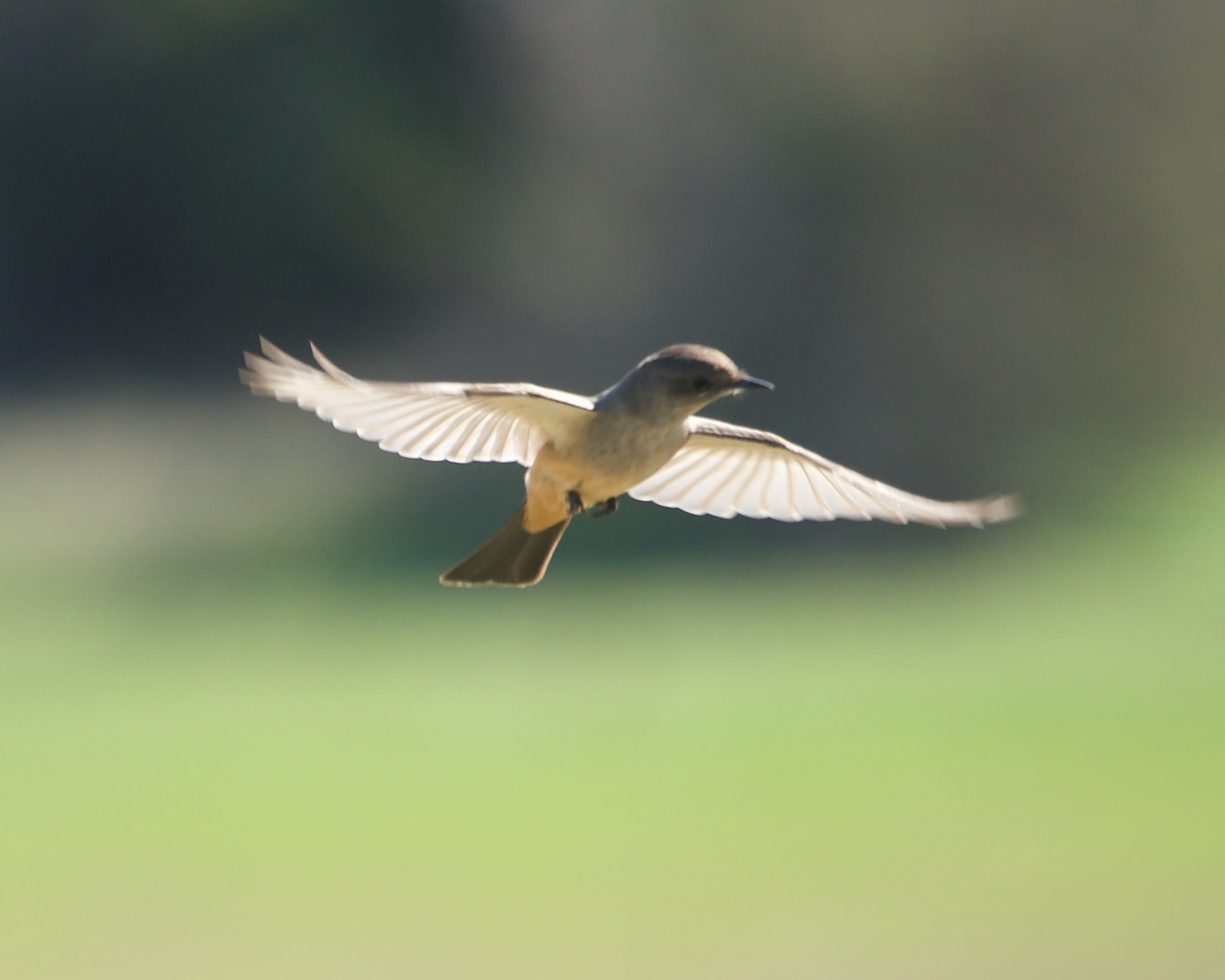
Say's Phoebe (Sayornis saya) Say's Phoebe
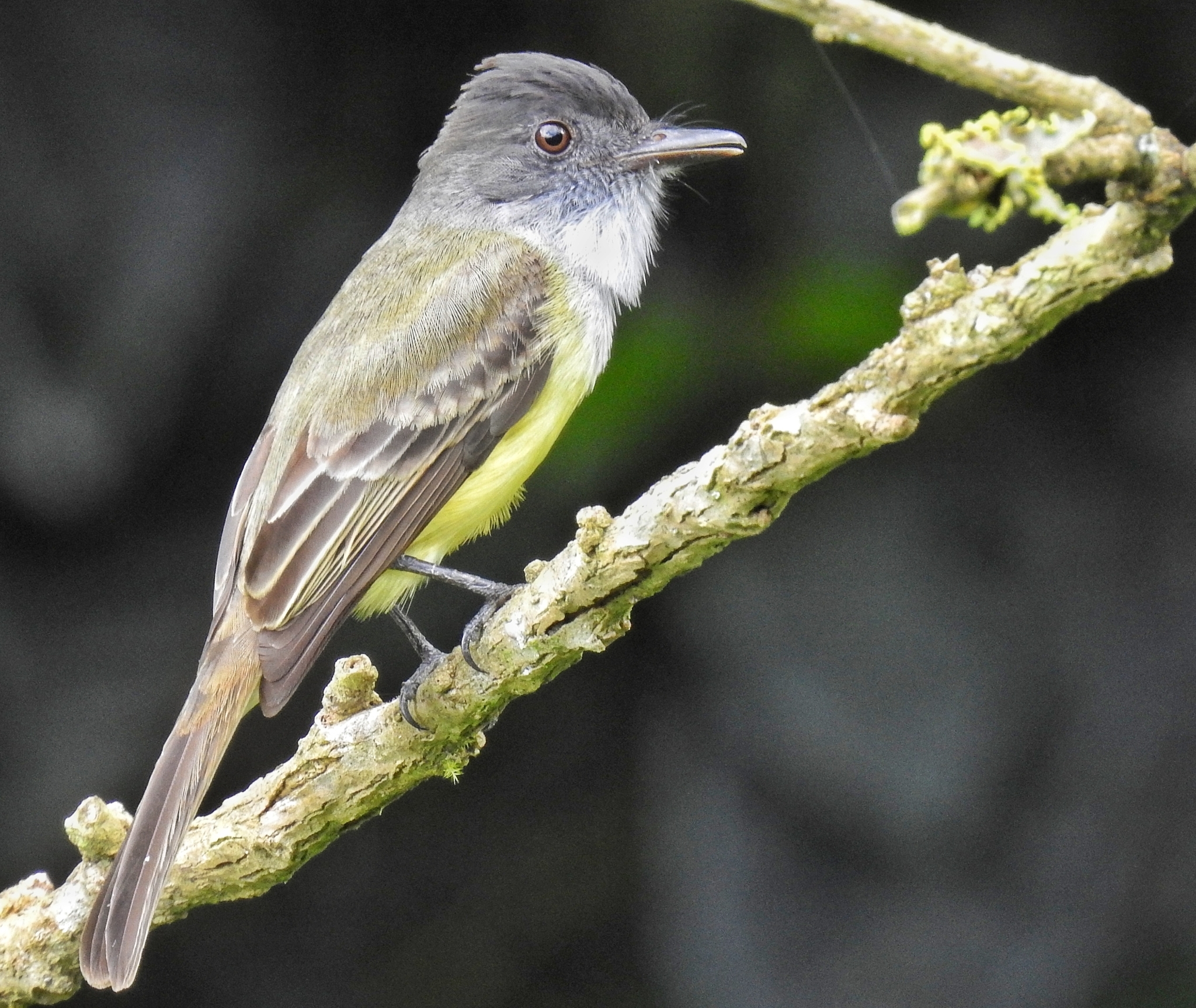
Dusky-capped Flycatcher (Myiarchus tuberculifer) Dusky-capped Flycatcher

Media

Loading…

In short

Say's Phoebe and Dusky-capped Flycatcher can be distinguished by habitat preference and plumage. Say's Phoebe is generally found in open country with a cinnamon belly, while the Dusky-capped Flycatcher prefers wooded areas and has a more uniform olive-brown appearance.

Identification tips

  1. Habitat: Look for Say's Phoebe in open areas; Dusky-capped Flycatcher in wooded habitats. 2. Plumage: Note the cinnamon belly of Say's Phoebe versus the more uniform olive-brown of the Dusky-capped Flycatcher. 3. Behavior: Observe foraging behavior; Say's Phoebe may hover-glean insects.

Size

Both species are similar in size, typical of small flycatchers.

Plumage

Say's Phoebe has a drab gray-brown back, black tail, and distinctive cinnamon-colored belly. In contrast, the Dusky-capped Flycatcher is more uniformly olive-brown with less contrast between the crown and back.

Behaviour

Say's Phoebe often hovers to glean insects from the ground, while the Dusky-capped Flycatcher is more secretive and maintains territories year-round.

Habitat

Say's Phoebe inhabits open country, sagebrush plains, and barren foothills. The Dusky-capped Flycatcher prefers wooded areas and is a cavity-nester.

Voice

Say's Phoebe has a melancholy call, described as despondent, while the Dusky-capped Flycatcher's voice is a key identifier within its genus, though specific details are not provided.

Submit a better description

Use the same sections as the comparison. Your text is published immediately.

Say's Phoebe and Dusky-capped Flycatcher can be distinguished by habitat preference and plumage. Say's Phoebe is generally found in open country with a cinnamon belly, while the Dusky-capped Flycatcher prefers wooded areas and has a more uniform olive-brown appearance.

  1. Habitat: Look for Say's Phoebe in open areas; Dusky-capped Flycatcher in wooded habitats. 2. Plumage: Note the cinnamon belly of Say's Phoebe versus the more uniform olive-brown of the Dusky-capped Flycatcher. 3. Behavior: Observe foraging behavior; Say's Phoebe may hover-glean insects.

Both species are similar in size, typical of small flycatchers.

Say's Phoebe has a drab gray-brown back, black tail, and distinctive cinnamon-colored belly. In contrast, the Dusky-capped Flycatcher is more uniformly olive-brown with less contrast between the crown and back.

Say's Phoebe often hovers to glean insects from the ground, while the Dusky-capped Flycatcher is more secretive and maintains territories year-round.

Say's Phoebe inhabits open country, sagebrush plains, and barren foothills. The Dusky-capped Flycatcher prefers wooded areas and is a cavity-nester.

Say's Phoebe has a melancholy call, described as despondent, while the Dusky-capped Flycatcher's voice is a key identifier within its genus, though specific details are not provided.

Discard your changes?

You have unsaved edits. If you leave now, those changes will be lost.

Say's Phoebe · Dusky-capped Flycatcher · My Tricky Birds