
Scott's Oriole vs Varied Bunting
Icterus parisorum versus Passerina versicolor
Play a quiz with Scott's Oriole and Varied Bunting
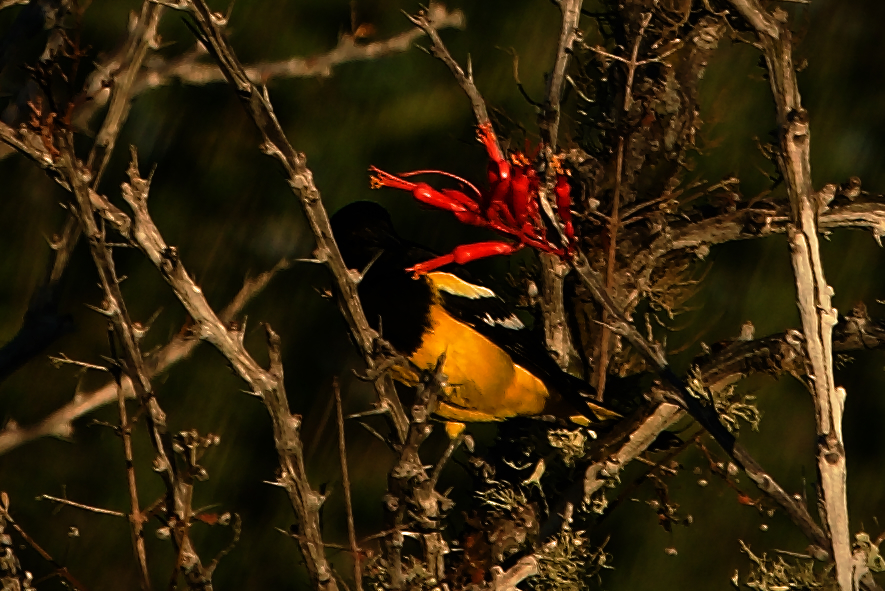 Scott's Oriole
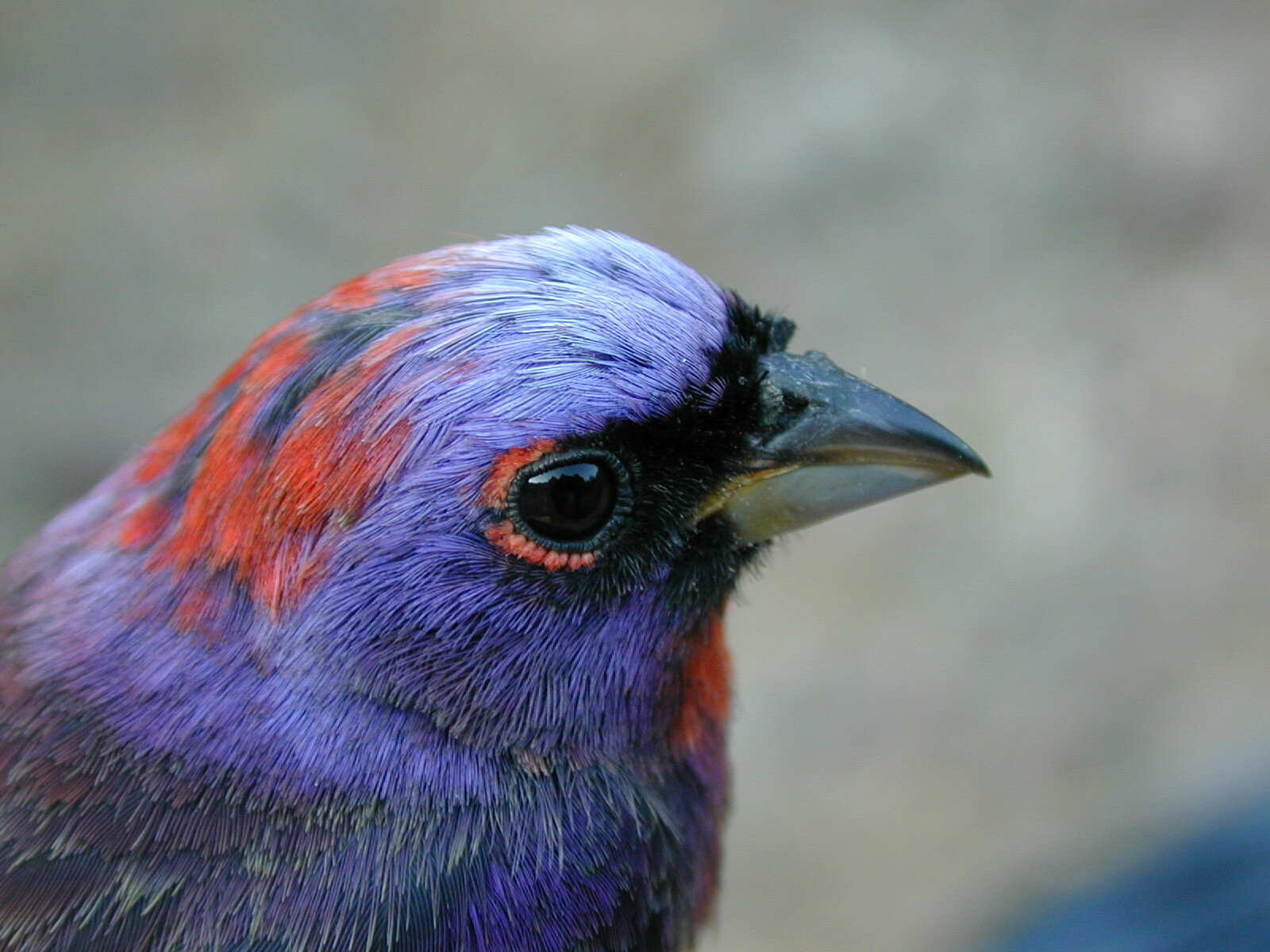 Varied Bunting
In short
Scott's Oriole and the Varied Bunting can be distinguished by their plumage and habitat preferences. Scott's Oriole is typically found in arid desert regions, while the Varied Bunting prefers thorny scrub and riparian edges. The oriole's striking black and yellow coloration contrasts with the bunting's more varied and subtle plumage.
Identification tips
- Plumage: Look for the bright yellow and black contrast in Scott's Oriole males versus the multicolored plumage of Varied Bunting males.
- Habitat: Note the habitat; Scott's Oriole prefers arid deserts, while Varied Bunting is found in thorny scrub and riparian areas.
- Size and Structure: Scott's Oriole is larger and more robust compared to the smaller, more delicate Varied Bunting.
- Vocalization: Listen for the clear whistles of Scott's Oriole compared to the more varied and complex song of the Varied Bunting.
Size
Scott's Oriole is generally larger and more robust than the Varied Bunting.
Plumage
Scott's Oriole males are primarily black with bright yellow underparts and shoulders, while the Varied Bunting males display a mix of purples, blues, and reds. Female and immature Scott's Orioles are more muted, with olive-yellow tones, whereas female Varied Buntings are brownish and less colorful.
Behaviour
Scott's Oriole tends to be more conspicuous in its behavior, often seen foraging in open areas, while the Varied Bunting is more secretive and often stays within dense vegetation.
Habitat
Scott's Oriole is typically found in arid desert habitats, including yucca and juniper woodlands. In contrast, the Varied Bunting inhabits thorny scrub, riparian edges, and overgrown clearings.
Voice
Scott's Oriole has a clear, whistling song, while the Varied Bunting's song is more complex and variable, often influenced by rainfall patterns.